








Introduction
Our canine companions hold a special place in our hearts, bringing joy and affection into our lives with their unique personalities and endless love.
While cuddling with our furry friends is always enjoyable, it’s also okay to want some personal space, especially when it comes to getting a good night’s sleep. Dogs, as much as we love them, can disrupt our sleep with their movements, noises, and the pet dander they bring into our beds.
The solution? Investing in a high-quality dog bed made from the right materials can ensure that both you and your four-legged family member get the restful sleep you deserve, without compromising on cleanliness or comfort.
If you’ve been disheartened by past experiences with less-than-stellar dog beds, fear not. By focusing on a few essential factors, you can easily find a durable and comfortable bed that your furry best friend will love.
Optimal Dog Bed Materials for Endurance

Our adorable canines, despite their loving nature, are guided by their inherent animal instincts. This includes a propensity for chewing, digging, and tearing, making the durability of their bedding a critical factor.
Polyester, Vinyl, and Synthetic Leather Options
When scouting for durable dog bed materials, you’ll commonly encounter options like vinyl, synthetic leather, and polyester. These materials boast impressive durability and are often easy to clean, being water-resistant. However, they come with their own set of drawbacks. Vinyl and synthetic leather, for instance, lack breathability, potentially causing discomfort for your pet in warmer conditions. Polyester, while tough, might not blend well with your home aesthetics and can sometimes appear less premium.
Canvas: A Superior Choice for Both Toughness and Maintenance
For a material that marries durability with ease of maintenance, canvas emerges as an ideal choice. Specifically, cotton canvas stands out for its robustness, capable of withstanding the typical wear and tear from dogs. It’s an excellent fabric for those cozy cuddle times yet resilient enough to endure the playful antics of a puppy. The added advantage of cotton canvas is its machine washability, making it a breeze to clean up after your pet’s muddy adventures or accidental messes.
Exploring Other Fabric Alternatives
If durability isn’t your sole priority, you might explore other popular materials like faux fur, Sherpa, or suede. These fabrics offer unique advantages in terms of comfort and style, but it’s important to weigh factors like ease of cleaning and the overall look to ensure they meet your and your pet’s needs.
Selecting Supreme Dog Bed Materials for Ultimate Comfort

When it comes to our furry companions, comfort is paramount, regardless of their stage in life. The ideal material for a dog bed should not only be cozy and soft but also offer ample support. For older dogs experiencing joint discomfort, memory foam beds can be a game-changer. For puppies, however, materials that mimic the warmth and snugness of being with their mother and siblings are preferable.
Cotton: A Universal Symbol of Comfort
Just as we cherish cotton in our linens for its crispness, softness, and breathability, these qualities make it an outstanding choice for dog beds. Cotton’s natural comfort and breathability properties position it as a top contender in dog bed fabrics, ensuring your pet feels at ease and well-rested.
The Significance of Proper Cushioning
A bed that allows for deep snuggling is beneficial for dogs at any age. It’s common to see dogs circling their sleeping area before settling down; this behavior is part of their instinct to make their resting place comfortable and supportive.
An overstuffed, pillow-style bed that enables your dog to ‘nest’ and find their ideal sleeping position can significantly enhance their sleep quality. The importance of choosing a dog bed with the right level of cushioning cannot be overstressed—it’s crucial for your dog’s comfort and overall well-being.
Selecting the Ideal Dog Bed Size for Your Canine Companion

When choosing a bed for your furry friend, especially if they’re still a puppy, it might seem logical to opt for a bed that fits them snugly right now. However, puppies grow at an astonishing rate, and a bed that seems just right today might become too small in no time. To avoid this, it’s wise to consider a larger bed that will accommodate your dog’s growth and ensure their comfort in the long run.
Guiding Your Choice by Your Dog’s Weight
A practical approach to picking the right bed size is to consider your dog’s weight. Dog beds are designed in various sizes to match the diverse builds of different breeds. For instance, smaller beds are ideal for dogs weighing under 35 pounds, providing them with a cozy space to curl up. On the other hand, dogs in the 35 to 75-pound range would benefit more from a larger bed, offering them ample room to relax and stretch.
Considering Your Dog’s Preferred Sleeping Position
Dogs, much like people, have preferred sleeping positions—some may curl up tightly, while others might sprawl out. Observing your dog’s sleeping habits can offer valuable insights into the ideal bed size. A smaller dog that enjoys stretching out might be happier in a larger bed, giving them the freedom to move around and find the most comfortable position.
The key is to prioritize your dog’s comfort, allowing them to stretch, roll, and reposition themselves effortlessly. Ensuring your dog has a bed made from the best materials, that’s also spacious enough for their sleeping style, will contribute significantly to their overall well-being and happiness.
Enhance Your Home Aesthetics with a Stylish Dog Bed

Navigating the aisles of pet stores in search of the perfect dog bed can sometimes lead to disappointment. The abundance of quirky patterns, unconventional shapes, and bold colors might not align with everyone’s taste, especially if you prefer a more subdued and elegant home decor.
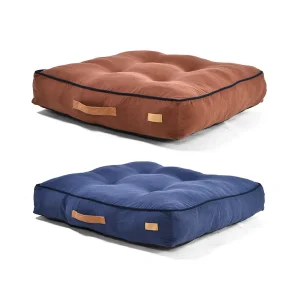
For those who value both style and function, the Canvas Dog Beds by Parachute could be the ideal solution. These beds echo the minimalist, refined aesthetic found in Parachute’s home linen collection, offering a blend of comfort for your pet and seamless integration into your interior design. Opting for a simple, pillow-shaped bed in natural, soothing tones ensures that your dog’s resting spot enhances your space rather than detracting from it.
Beyond their visual appeal, these canvas beds stand out for their ease of maintenance and robustness, making them a practical choice for both your dog and your home.
Deciding on the Ideal Spot for Your Dog's Bed

Understanding your dog’s natural inclination to stay close to their ‘pack’ can guide you in choosing the best location for their bed. If your furry friend tends to follow you around from room to room, finding a strategic spot for their bed that makes them feel included yet comfortable is key.
When determining where to place a dog bed, consider these critical factors: the room’s temperature and exposure to drafts, the level of noise and potential distractions, the dog’s sense of security, and their need to feel close to the family.
Temperature and Draft Considerations
A drafty spot can significantly affect your dog’s comfort and sleep quality. To ensure they stay cozy throughout the night, place their bed in an area shielded from cold drafts, away from air conditioning vents, doors, and cold floors. Additionally, be mindful of humidity and dampness, as even the most durable dog bed materials can succumb to mold in such conditions.
Minimizing Noise and Distractions
Dogs have a keen sense of hearing, making them particularly sensitive to noise. To help your dog relax and sleep soundly, choose a location that’s insulated from loud sounds, whether it’s from household appliances, noisy neighbors, or street traffic.
Fostering a Sense of Safety
Les chiens ont un désir inhérent de protéger leur meute. Placer leur lit dans un endroit central par rapport aux chambres de votre maison peut leur donner un sentiment de sécurité, sachant qu'ils veillent sur leur famille. Dans les petites maisons ou pour les chiens ayant un fort attachement à leurs propriétaires, placer le lit dans un coin de votre chambre pourrait être l'option la plus réconfortante pour eux.
En tenant compte de ces facteurs, vous pouvez créer un environnement de sommeil reposant et sécurisé pour votre chien, en lui assurant qu'il se sente partie intégrante de la famille tout en profitant du confort de son propre espace.
Conclusion
En conclusion, la recherche du lit pour chien idéal consiste moins à identifier la « meilleure » option universelle qu’à identifier ce qui convient le mieux aux besoins et préférences uniques de votre chien. La gamme de matériaux disponibles, chacun avec ses propres avantages, souligne l'importance d'adapter votre choix aux exigences individuelles de votre animal en matière de confort, de durabilité et de style. Pour ceux qui recherchent des informations plus approfondies sur le monde des tissus pour lits pour chiens, en particulier les détaillants et les grossistes nouveaux sur le marché de la literie pour animaux de compagnie, en partenariat avec des experts comme Petstar pourrait être inestimable. En tant que l'un des principaux fabricants de lits pour chiens au monde, Petstar offre une richesse de connaissances sur les choix de tissus et une gamme diversifiée de modèles de lits pour chiens, garantissant que vous trouviez la solution idéale pour les besoins de chaque animal. N'oubliez pas que le bon lit pour chien existe : il s'agit de trouver la solution idéale pour votre ami à quatre pattes.
FAQ sur le choix du meilleur lit pour chien
Q1 : Quels matériaux sont les meilleurs pour un lit pour chien ?
A1 : Les matériaux durables comme la toile sont parfaits pour la longévité et la facilité de nettoyage, tandis que les tissus plus doux comme le coton offrent du confort. Pour les chiens plus âgés ou ceux ayant des problèmes articulaires, la mousse à mémoire de forme offre un excellent soutien. Continuer à lire:Quels sont les meilleurs matériaux pour les lits d’extérieur pour chiens ?
Q2 : Comment choisir le lit pour chien de la bonne taille ?
A2 : Tenez compte du poids et du style de sommeil de votre chien. Un lit plus grand peut s'adapter à la croissance et assurer le confort des chiens qui aiment s'étendre. Mesurez votre chien du nez à la queue pendant qu'il dort et ajoutez quelques centimètres pour déterminer la meilleure taille de lit.
Q3 : Le matériau d'un lit pour chien peut-il affecter la santé de mon chien ?
R3 : Oui, les matériaux qui ne respirent pas bien peuvent provoquer une surchauffe et certains chiens peuvent avoir des allergies à certains tissus. De plus, des matériaux de mauvaise qualité peuvent abriter des acariens ou des moisissures, ce qui peut nuire à la santé de votre chien.
Q4 : Comment puis-je m'assurer que le lit pour chien correspond à ma décoration d'intérieur ?
A4 : Recherchez des lits pour chiens aux couleurs neutres et aux designs simples, comme ceux proposés par les marques qui privilégient l’esthétique de la maison. Les matériaux comme la toile peuvent être à la fois élégants et fonctionnels.
Q5 : Quel est le meilleur endroit pour installer le lit de mon chien ?
A5 : Choisissez un endroit calme et sans courants d'air où votre chien peut voir les membres de votre famille mais ne gêne pas. Tenez compte du besoin de sécurité de votre chien et de la température ambiante pour assurer son confort.
Q6 : Les lits pour chiens coûteux sont-ils toujours meilleurs ?
R6 : Pas nécessairement. Le meilleur lit pour votre chien dépend de sa durabilité, de la qualité des matériaux et de sa capacité à répondre aux besoins de votre chien. Parfois, les lits de milieu de gamme offrent le meilleur équilibre entre qualité et prix.
Q7 : À quelle fréquence dois-je remplacer le lit de mon chien ?
R7 : Inspectez régulièrement le lit de votre chien pour détecter tout signe d'usure. En général, le remplacer tous les 1 à 2 ans est une bonne pratique, mais des matériaux durables peuvent prolonger la durée de vie d'un lit.
Q8 : Est-il acceptable que mon chien ait plus d'un lit ?
R8 : Absolument. Avoir plusieurs lits dans différentes zones de votre maison peut offrir confort et sécurité à votre chien, lui permettant de se détendre partout où se trouve la famille.
Q9 : Comment puis-je nettoyer et entretenir un lit pour chien ?
R9 : Choisissez un lit avec une housse amovible et lavable en machine pour un nettoyage facile. Suivez les instructions du fabricant et nettoyez régulièrement le lit pour le garder hygiénique et sans odeur.
Q10 : Un lit pour chien peut-il aider à soulager l'anxiété de mon chien ?
R10 : Oui, un lit pour chien confortable peut être un espace sûr pour votre chien, réduisant ainsi l'anxiété en lui procurant un sentiment de sécurité et de routine. Pensez aux lits avec des bords surélevés ou aux lits en beignets apaisants pour les chiens anxieux.