










Pet Furniture Trends in 2026

pet furniture trends
目次

Pet furniture is entering a new stage of development. Instead of focusing only on basic comfort, today’s products are increasingly designed around home aesthetics, pet wellbeing, and everyday convenience.

A cat tree is no longer just a climbing structure, and a dog bed is no longer simply a place to rest. More brands are developing furniture-inspired products that blend into modern interiors while meeting the changing expectations of pet owners.

Driven by pet humanization, urban living, and demand for higher-quality ペット用品, pet furniture trends in 2026 are moving toward modern design, sustainable materials, multifunctional solutions, and improved comfort.

For pet brands and retailers, understanding these changes is essential when planning future collections. This article explores the key trends shaping the pet furniture market in 2026 and the product directions worth considering for new product development.

The Pet Furniture Market Is Moving From Function to Lifestyle

The changes happening in pet furniture are closely connected with the wider evolution of the pet industry. As pets become more integrated into family life, expectations for pet products are also changing. Products are no longer evaluated only by whether they solve a basic need; design, materials, durability, and overall user experience are becoming equally important.

This shift can be seen clearly in the way pet furniture is being developed. Traditional products were often designed around a single function, such as providing a sleeping area or a scratching surface. Today, many brands are exploring products that combine pet needs with the way people live.

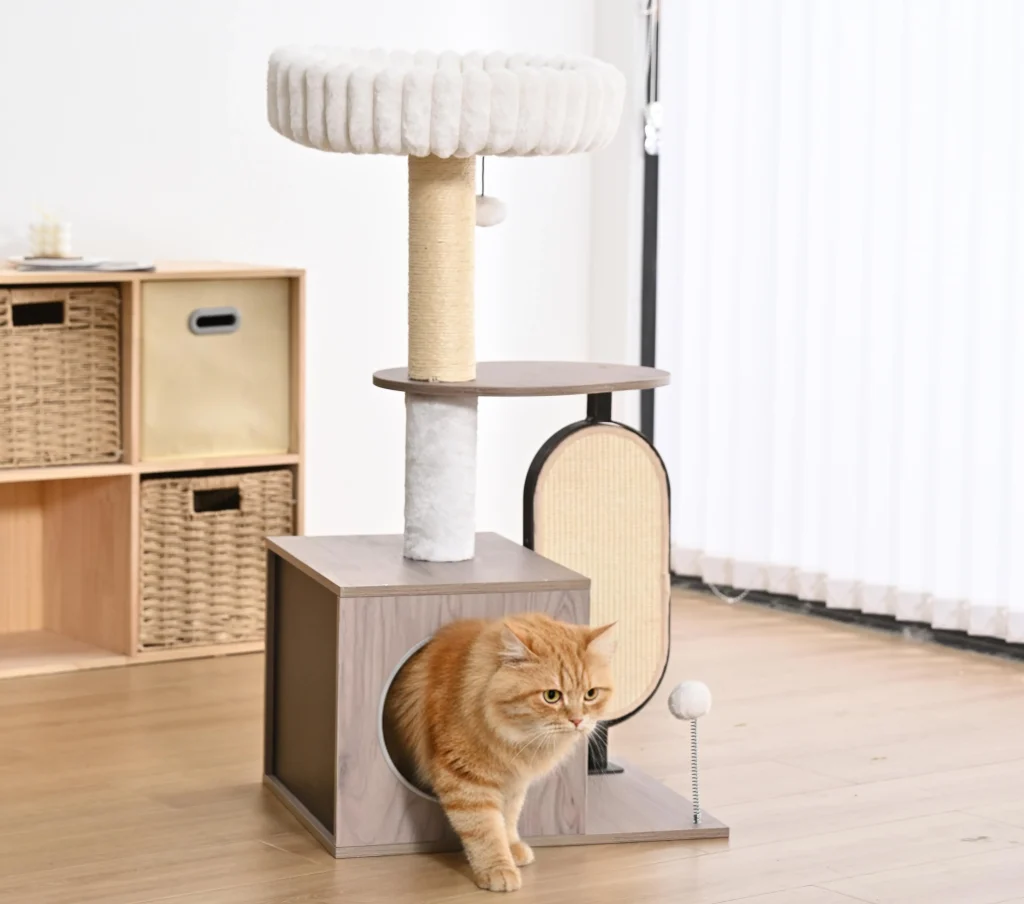
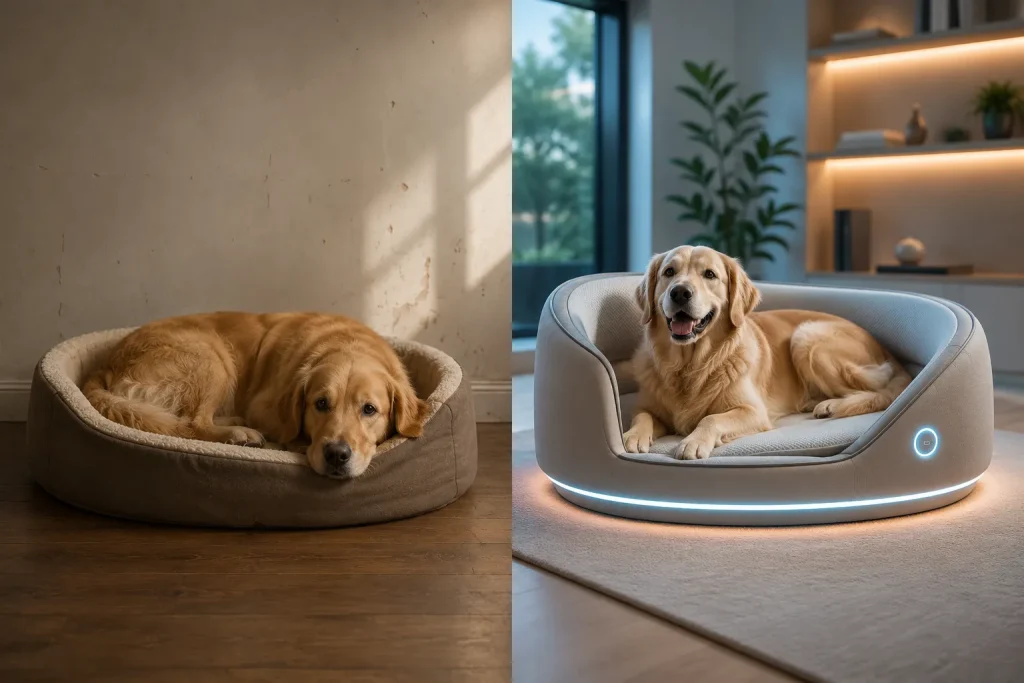
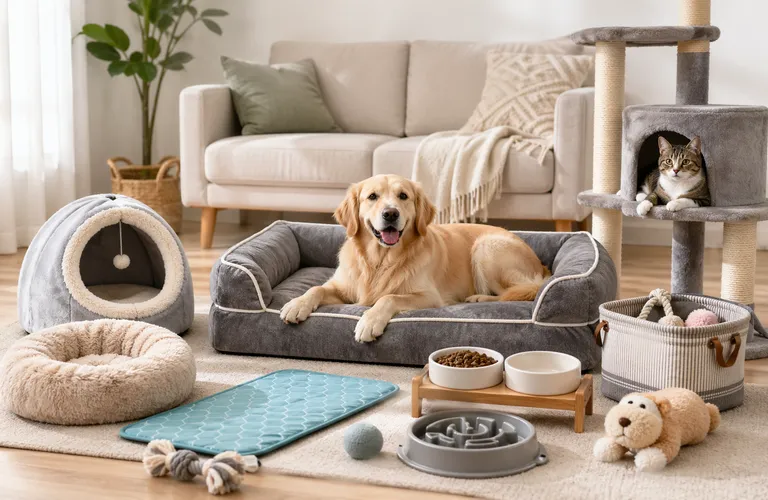
For example, a modern cat tree may need to provide climbing, scratching, and resting functions while also fitting naturally into a living room. A dog bed may need to offer orthopedic support, easy maintenance, and a design that matches the home environment.

This change is particularly noticeable in markets such as North America and Europe, where home aesthetics and lifestyle choices have a strong influence on purchasing decisions. Neutral colors, natural materials, simple structures, and furniture-inspired designs are becoming more common across the category.

Market research also reflects this broader opportunity. According to Grand View Research, the global pet furniture market continues to grow as premium pet spending and demand for specialized products increase. However, the most important development is not only market expansion, but the changing definition of value. Buyers are looking for products that combine function, appearance, and long-term usability.

For brands planning new collections, this means successful pet furniture trends in 2026 will be closely related to product innovation. The focus is shifting from creating individual items to developing complete product solutions that fit different lifestyles, spaces, and customer expectations.

Design Is Becoming a Core Differentiator in Pet Furniture

One of the biggest changes in the pet furniture category is the relationship between pets and home design. Products are no longer expected to simply occupy unused space. Increasingly, they are expected to become part of the interior environment.

This change can be seen across multiple product categories. Traditional cat trees with bright colors and complicated structures are being replaced by designs featuring natural wood, fabric finishes, neutral colors, and cleaner shapes. Dog beds are also moving closer to furniture design, with upholstered structures and premium fabrics that resemble household sofas.

This does not mean appearance has replaced functionality. Instead, successful products combine both elements.

For example, a modern cat tree needs to provide:

  • Stable climbing structures
  • Scratching surfaces
  • Comfortable resting areas
  • Visual appeal suitable for indoor spaces

A premium dog bed needs to balance:

  • Ergonomic support
  • メンテナンスが容易
  • Durable materials
  • A design that fits different home environments

Interior design movements such as Scandinavian minimalism and Japandi style have influenced many pet product categories. Natural textures, simple silhouettes, and calm color palettes are becoming more common in product development.

For brands, this creates an opportunity to move away from competing only through price. A well-designed product with a clear aesthetic identity can help build stronger brand recognition and improve shelf appeal, both online and offline.

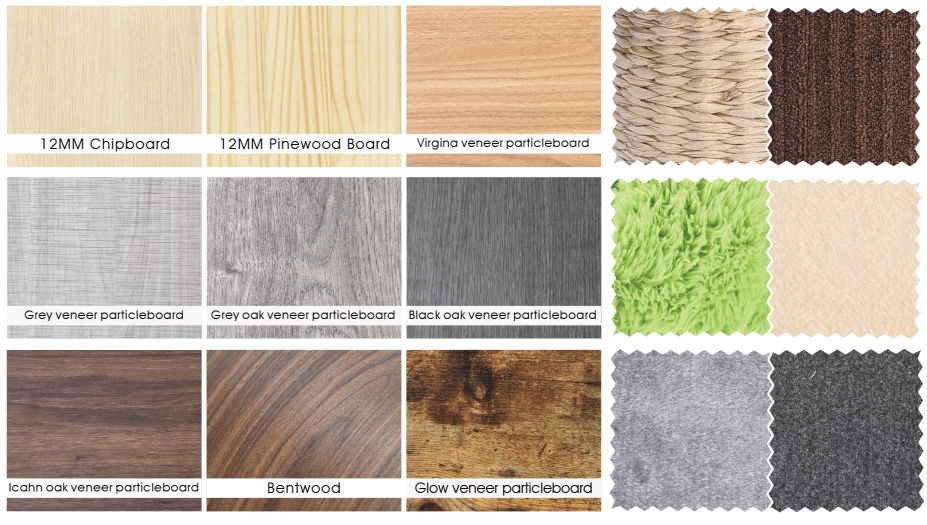
From a manufacturing perspective, design flexibility has also become more important. Brands increasingly require options in fabrics, colors, materials, and product structures to create collections that match their target markets.

A product developed for a premium European lifestyle brand may require different materials and visual details compared with a value-focused retail program. The ability to adjust design elements while maintaining production efficiency has become an important part of successful product development.

Sustainability Is Moving From a Marketing Concept to a Product Requirement

Sustainability has become one of the most influential factors shaping new pet product development. While environmental claims were once mainly used as a brand communication tool, they are increasingly becoming part of product selection criteria.

For many retailers and brands, sustainability discussions now begin much earlier in the development process:

  • What materials are being used?
  • Can the material source be traced?
  • How durable is the product?
  • Can packaging waste be reduced?
  • Does the product meet regional requirements?

This change is particularly visible in markets where consumers have stronger environmental awareness, including many European countries and North America. In pet furniture, sustainable development is not limited to one type of material. Different product categories require different solutions.

Common mateial directions include:

リサイクル素材

Recycled polyester fabrics are becoming more widely used in pet beds, cushions, and soft furniture products. These materials can provide the comfort and durability required for everyday pet use while supporting brands’ sustainability goals.

Natural Materials

Materials such as bamboo fiber, natural fabrics, and responsibly sourced wood are gaining attention because of their renewable characteristics and natural appearance.

Recycled and Bio-based Components

For some product structures and accessories, recycled plastics and bio-based materials provide alternatives to traditional materials while maintaining functional performance.

However, sustainability is not only about selecting a specific material. Product lifespan is equally important. A durable pet bed with washable covers or a well-constructed cat tree that remains stable over years may create a lower environmental impact than a product that requires frequent replacement.

For brands developing new collections, the challenge is finding the right balance between environmental responsibility, product performance, and commercial feasibility. Manufacturers with experience in different material solutions can help brands evaluate these factors during the development stage, rather than treating sustainability as an afterthought.

Multifunctional Designs Are Responding to Smaller Living Spaces

Another important factor influencing pet furniture design is the changing way people live. Urbanization has led to more apartment living, particularly among younger pet owners. In smaller homes, every piece of furniture needs to serve a purpose, and pet products are increasingly expected to do more than one job.

This has accelerated demand for multifunctional and space-saving designs. 例を挙げよう:

  • Storage benches combined with pet resting areas
  • Side tables with integrated dog beds
  • Cat trees with shelving functions
  • Modular climbing systems
  • Foldable pet houses
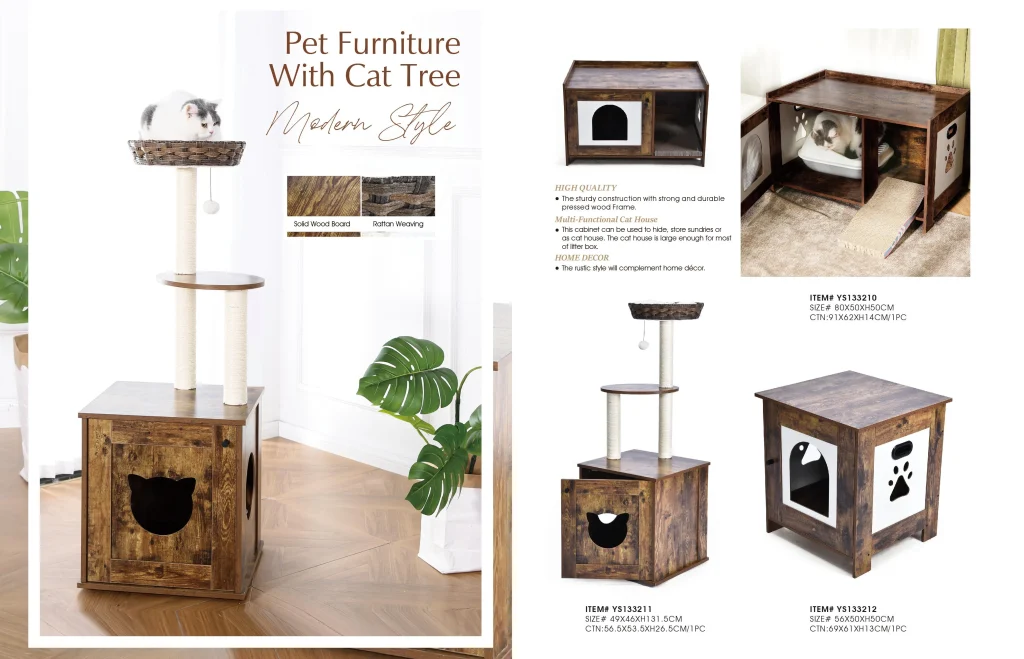
  • Hidden litter furniture

These products solve a practical challenge: helping pets live comfortably without creating unnecessary clutter.

For e-commerce brands, multifunctional products also provide another advantage. Products with a clear problem-solving benefit are often easier to communicate online because customers immediately understand the value.

A traditional pet bed may compete with hundreds of similar products. A stylish piece of furniture that saves space, stores accessories, and provides a comfortable resting area offers a stronger selling point.

From the supply chain perspective, modular and space-efficient designs can also create advantages in packaging and transportation. Products that can be assembled, folded, or shipped efficiently may help reduce logistics costs, especially for international markets.

Looking ahead to 2026, multifunctionality will likely continue influencing product development. The strongest concepts will not simply add extra features but will combine pet needs with real household challenges.

Comfort and Wellness Are Raising Expectations for Premium Pet Furniture

While design and sustainability are changing how pet furniture looks, comfort remains the foundation of every successful product.

As pet owners become more aware of animal health and wellbeing, they are looking beyond basic resting spaces. They want products that support their pets’ daily habits, physical conditions, and different life stages.

This shift is especially noticeable in 犬用ベッド. Larger breeds, senior pets, and indoor pets with lower activity levels have increased demand for products that provide better support and long-term comfort.

Features that are gaining attention include:

  • Orthopedic foam structures
  • Pressure-relieving cushions
  • Supportive bolster designs
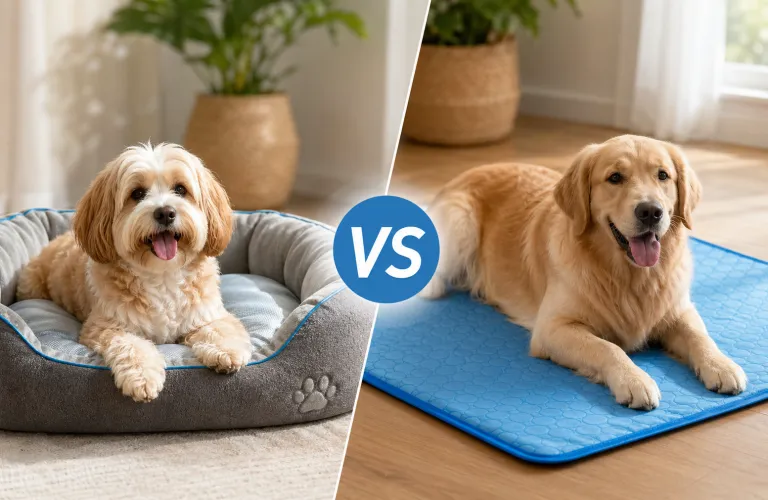
  • 冷却生地
  • Washable covers
  • Durable, pet-friendly textiles

Features that are gaining attention include:

  • Orthopedic foam structures
  • Pressure-relieving cushions
  • Supportive bolster designs
  • 冷却生地
  • Washable covers
  • Durable, pet-friendly textiles

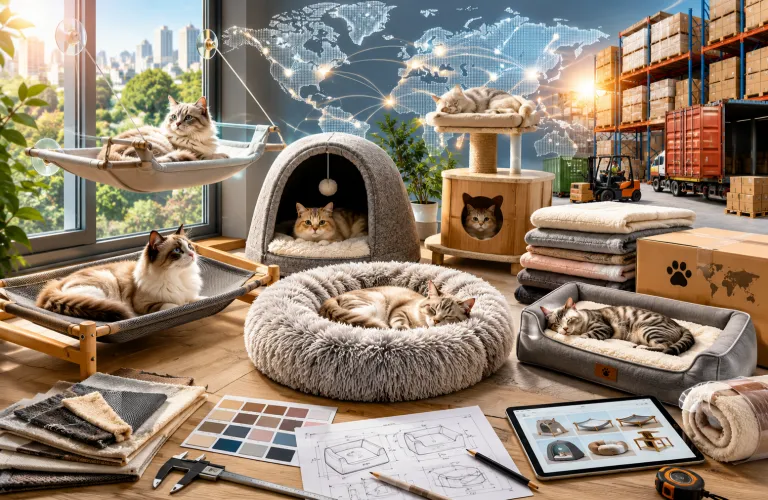
For cats, comfort is closely connected with natural behavior. Cats do not only need a place to sleep; they need opportunities to climb, scratch, observe, and create their own territory.

This is why modern cat furniture increasingly combines multiple functions:

  • Elevated resting platforms
  • Scratching areas
  • Hideaway spaces
  • Climbing structures
  • Interactive elements

The development direction is clear: pet furniture is becoming more specialized. Instead of one standard product serving all pets, brands are creating solutions for specific needs, such as large dogs, senior pets, indoor cats, or multi-pet households.

For brands planning future collections, comfort features also provide opportunities for stronger product positioning. A product with thoughtful ergonomic design can communicate value more effectively than a basic product competing mainly on price.

Pet Furniture Categories with Growth Potential in 2026

Although pet furniture covers many product types, several categories are showing strong potential because they align closely with current consumer expectations.

カテゴリー

Market Opportunity

モダンな猫用家具

★★★★★

Premium Dog Beds

★★★★★

Hidden Litter Furniture

★★★★

Eco Pet Furniture

★★★★★

Modular Systems

★★★★

モダンな猫用家具

Cat furniture remains one of the most dynamic segments because it combines pet behavior, home design, and lifestyle trends.

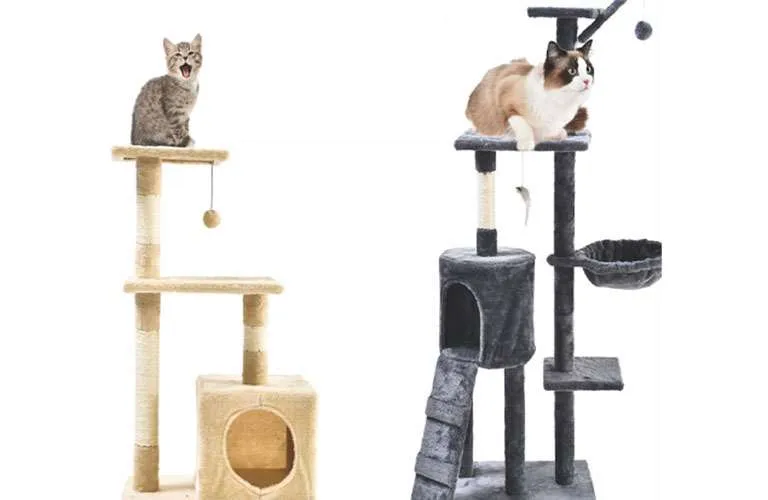
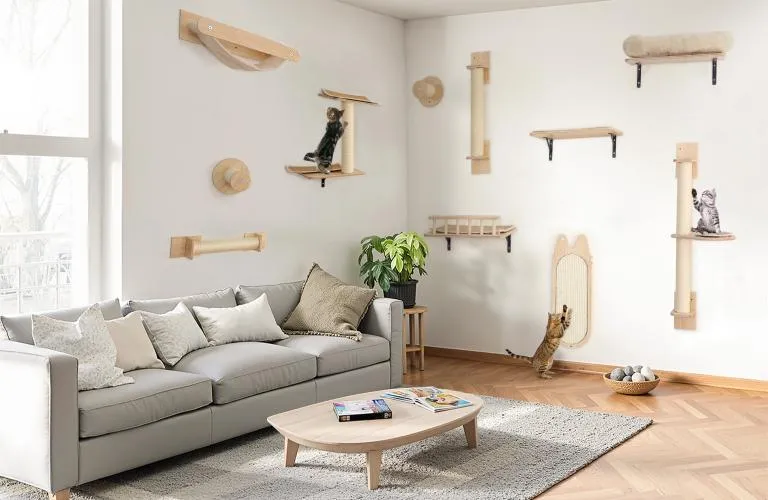
The next generation of cat furniture is moving beyond traditional carpet-covered cat trees. New designs are incorporating:

  • Natural wood elements
  • Minimalist structures
  • Modular components
  • Wall-mounted systems
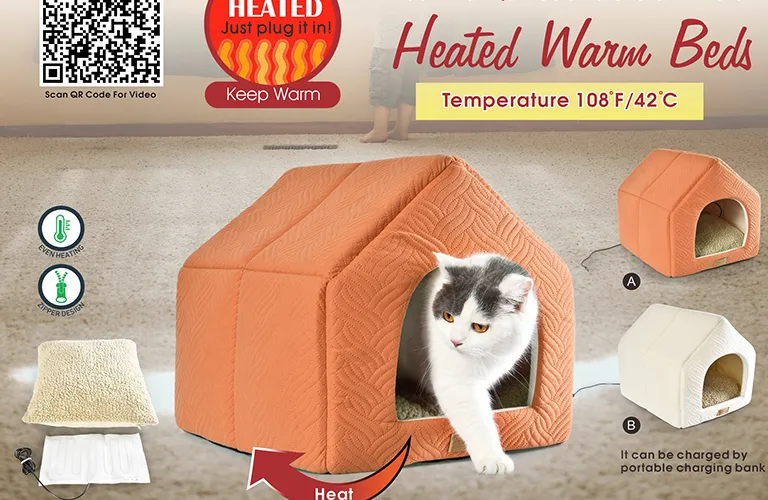
  • Multi-level activity spaces

These products appeal to both cats and owners by creating functional environments that fit modern homes.

For brands, 猫用家具 also provides opportunities for collection development. A single design language can extend across cat trees, scratching products, shelves, and resting areas to create a complete product family.

モダンな猫用家具

Premium Dog Beds and Resting Solutions

Dog beds remain a core category, but competition is increasingly moving toward differentiation.

Growth opportunities include:

  • Orthopedic beds for senior dogs
  • Large-size beds for bigger breeds
  • Luxury fabric collections
  • Outdoor and travel-friendly designs
  • Beds with removable and washable components

The opportunity is not only in adding features but also in improving the overall ownership experience. Easy maintenance, durability, and visual appeal all influence repeat purchases and customer reviews.

Furniture Style Pet Houses

Indoor pet houses are becoming more closely connected with home decoration.

Instead of simple shelters, many new designs focus on:

  • Comfortable private spaces
  • Decorative appearance
  • Easy cleaning
  • Space efficiency

These products are particularly attractive for apartment owners who want dedicated pet areas without disrupting their interior design.

Hidden and Integrated Pet Solutions

As living spaces become smaller, integrated solutions are gaining attention.

例を挙げよう:

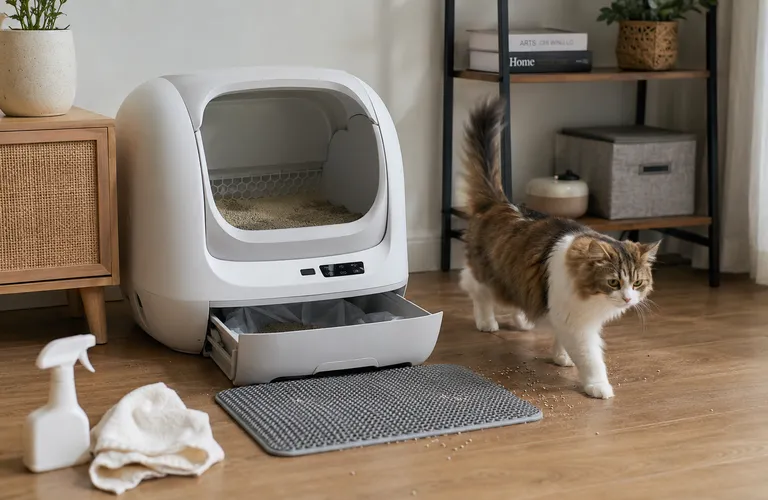
  • Hidden litter cabinets
  • Pet furniture with storage functions
  • Multi-purpose benches
  • Space-saving pet corners

These products address a common challenge: how to create a comfortable environment for pets while maintaining an organized home.

Hidden litter cabinets

What Brands Should Consider When Developing Pet Furniture Collections

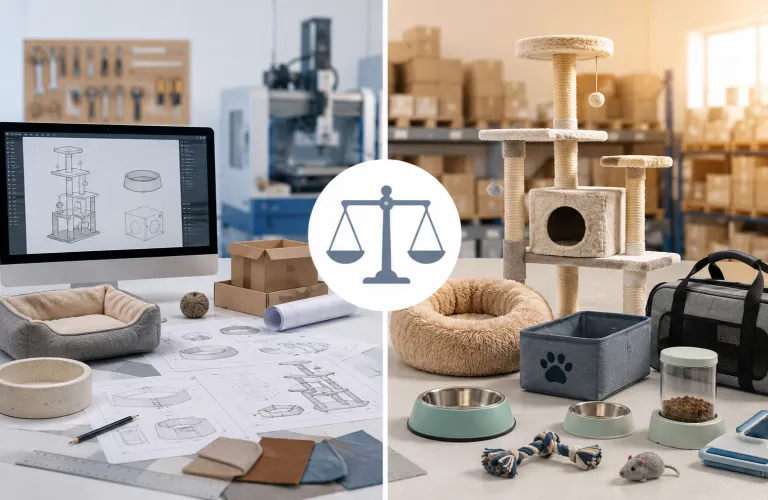
Entering the pet furniture market requires more than selecting attractive designs. Successful products need to balance consumer expectations, production feasibility, and long-term market positioning.

Several factors should be considered during product development.

材料の選択

Materials influence not only appearance but also durability, maintenance, sustainability, and customer perception.

Brands should evaluate:

  • Fabric performance
  • Cleaning requirements
  • Structural durability
  • Environmental considerations
  • Target market preferences

A premium-looking product must also perform well in daily use.

Design Adaptability

Different markets often have different expectations.

例えば、こうだ:

  • European markets may place stronger emphasis on sustainability and minimalist design.
  • North American markets often value comfort, durability, and larger sizes.
  • Urban markets may prioritize compact and multifunctional solutions.

Flexible product development allows brands to adjust designs according to customer groups instead of relying on one universal approach.

Manufacturing and Development Experience

Turning a product concept into a successful retail item requires cooperation between design, engineering, and production teams.

Experienced development partners can support areas such as:

  • Prototype improvement
  • Material recommendations
  • Structural optimization
  • 品質管理
  • Packaging solutions

This is especially important for brands launching new collections or expanding into new pet categories.

Supporting Pet Brands Through Product Innovation and Manufacturing Experience

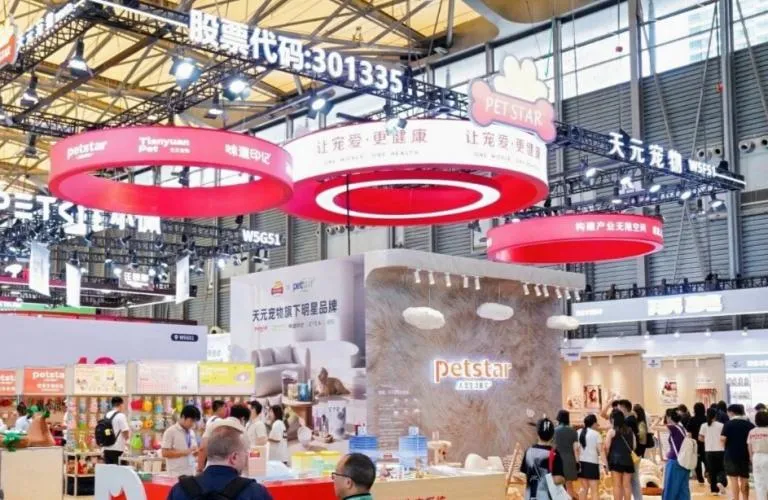
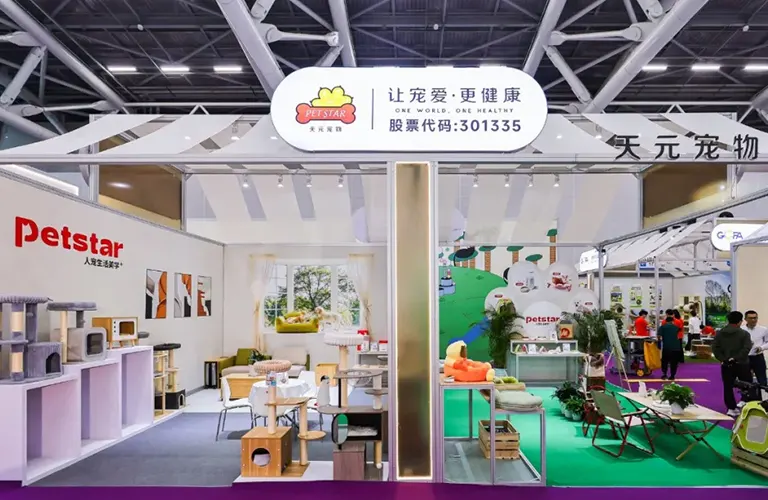
With more than 29 years of experience in the pet products industry, Petstar has worked with global partners to develop and manufacture a wide range of pet products, including pet beds, cat furniture, toys, accessories, and other pet lifestyle products.

The company operates multiple manufacturing facilities with more than 300,000㎡ of production space and supports product development through an experienced R&D team.

This manufacturing background provides experience across different product requirements, including:

  • Material innovation
  • Functional design
  • 製品のカスタマイズ
  • Quality management
  • International market requirements

As pet furniture continues to evolve, successful product development depends on understanding both market trends and practical manufacturing considerations.

For brands preparing their next collection, combining consumer insights with reliable product development capabilities can help create products that are not only attractive but also commercially viable.

結論

A combination of lifestyle changes, product innovation, and evolving expectations from both pets and owners will shape the pet furniture market in 2026.

The most successful products will not simply provide a place for pets to rest. They will solve real household challenges, fit modern living environments, use thoughtful materials, and deliver better everyday experiences.

For pet brands, the opportunity lies in developing collections that connect design, function, and responsible production. Understanding these changes early can help businesses create products that stand out in a competitive market.

As the category continues to mature, collaboration between brands and experienced product development partners will become increasingly important in turning new ideas into market-ready solutions.

FAQ About Pet Furniture Trends in 2026

What are the major trends shaping pet furniture in 2026?

The main pet furniture trends in 2026 focus on the combination of design, functionality, and sustainability. Furniture-inspired pet products, eco-friendly materials, multifunctional designs, and comfort-focused features are becoming increasingly important as brands develop new collections for modern households.

Pet products are becoming more integrated into home environments. Many customers now prefer pet furniture that matches their interior style instead of looking like a separate accessory. This has increased demand for products such as modern cat trees, stylish dog beds, decorative pet houses, and space-saving solutions.

Sustainable pet furniture can include a variety of material solutions depending on the product type and performance requirements. Common options include recycled polyester fabrics, bamboo-based materials, natural fibers, responsibly sourced wood, and recycled components. Brands typically evaluate sustainability together with durability, safety, and product performance.

Product categories with strong potential include modern cat furniture, premium dog beds, multifunctional pet furniture, furniture-style pet houses, hidden litter solutions, and eco-friendly pet products. Products that combine multiple benefits, such as comfort, space efficiency, and attractive design, are likely to receive greater attention.

Many brands are moving beyond standard product selection and focusing on differentiation through design, materials, functionality, and customization. Developing a consistent collection concept, selecting suitable materials, and adapting products for specific markets can help brands create stronger positioning.

Products designed for international markets usually need to balance aesthetics, functionality, safety, and logistics considerations. Factors such as packaging size, material compliance, durability, and adaptation to different consumer preferences all influence market acceptance.

関連ブログ
サプライヤ
共有:
フェイスブック
ツイッター
リンクトイン
ピンタレスト
レディット

コメントを残す

メールアドレスが公開されることはありません。 が付いている欄は必須項目です

関連記事

お問い合わせ情報

0086-571-28931673