








Cat litter is an essential item for every cat-owning household, and its importance cannot be overstated. Cats are animals that place great emphasis on cleanliness, and a good litter environment directly affects their health and psychological state. Suitable cat litter can not only ensure the comfort of your cat but also effectively control odors and maintain a clean and hygienic home environment.
Choosing the right cat litter is significant for both your cat’s health and the quality of life at home. Different types of cat litter have their own advantages and disadvantages in terms of absorbency, clumping ability, odor control, dust generation, environmental friendliness, and cost. Understanding these characteristics and selecting based on your and your cat’s needs can improve your cat’s quality of life, reduce the frequency and difficulty of cleaning the litter, and create a more harmonious and pleasant home environment.
Next, we will provide a detailed introduction to several common types of cat litter available on the market and conduct a comprehensive comparison of their pros and cons to help you make an informed decision.
Cat Litter Types
1.Clay Litter (Bentonite Cat Litter)
Bentonite cat litter is one of the most common and widely used types of cat litter on the market. Its main component is bentonite clay. Below are its advantages, disadvantages, and suitable situations:
Advantages
- Strong Absorbency: Bentonite cat litter has excellent water absorption capabilities, quickly absorbing cat urine and forming hard clumps, making it easy for owners to clean.
- Good Clumping Ability: After absorbing liquid, bentonite cat litter quickly forms solid clumps, preventing urine from spreading and making it easy to scoop.
- Relatively Affordable: Bentonite cat litter is usually cheaper than other types of cat litter, making it a cost-effective choice.
- Easy to Obtain: Due to its widespread use, bentonite cat litter is easily available in major pet stores and supermarkets.
Disadvantages
- High Dust Levels: Bentonite cat litter generates a lot of dust during use, which may cause respiratory issues for both cats and owners, especially those sensitive to dust.
- Non-environmentally Friendly: Bentonite cat litter is not biodegradable, posing an environmental burden. Additionally, the mining process for bentonite can impact the natural environment.
- Heavy Weight: Bentonite cat litter has a high density and is heavy, making it inconvenient to transport, especially in large packages.
- Potential Allergies: Some cats may be allergic to the dust or components in bentonite cat litter, potentially causing skin or respiratory issues.
Suitable Situations
Bentonite cat litter is suitable for most cats, especially those without dust allergies. If you prioritize cost-effectiveness and want cat litter with good absorbency and clumping abilities, bentonite cat litter is a good choice. However, for cats and household members sensitive to dust, or for environmentally conscious households, other types of cat litter may be more appropriate.

2.Silica Gel Litter
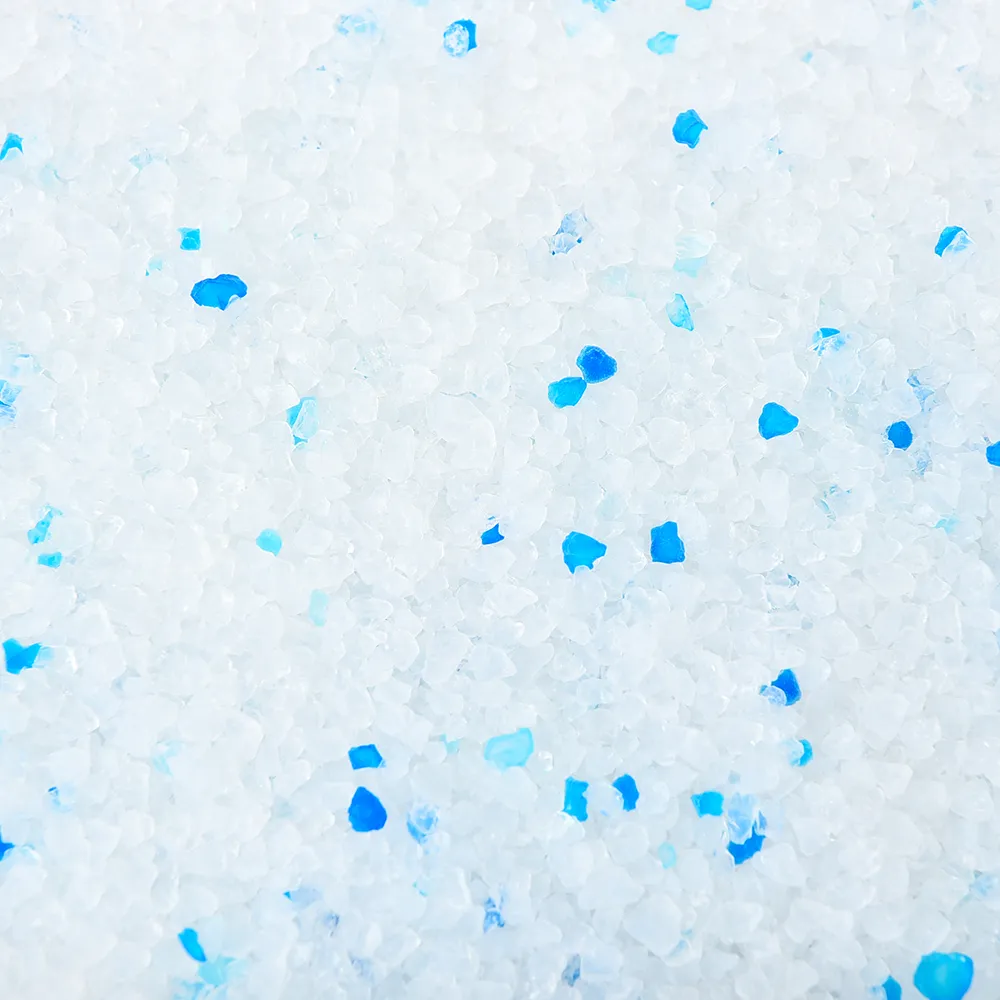
Silica gel litter, made from silica gel, has unique moisture-absorbing and deodorizing properties. Here are its advantages, disadvantages, and suitable situations:
Advantages
- Strong Moisture Absorption: Silica gel litter can quickly absorb large amounts of liquid and remain dry, reducing the chances of bacterial growth.
- Effective Odor Control: Silica gel litter effectively absorbs and neutralizes odors, keeping the litter box fresh and minimizing the spread of bad smells.
- Low Dust: Silica gel litter produces very little dust during use, making it suitable for cats and owners sensitive to dust.
- Low Replacement Frequency: Due to its strong moisture absorption, silica gel litter usually only needs to be changed once a month, making maintenance convenient.
- Lightweight: Compared to bentonite cat litter, silica gel litter is lighter, making it easier to transport and handle.
Disadvantages
- Non-biodegradable: Silica gel litter is not environmentally friendly, as it is mainly disposed of through landfilling and does not decompose, impacting the environment.
- Higher Cost: Silica gel litter is usually more expensive than bentonite cat litter, resulting in higher long-term costs.
- Harder Granules: The granules of silica gel litter are harder, and some cats may not like the feel of them under their paws, potentially causing discomfort.
- Non-clumping: Silica gel litter does not clump, requiring more frequent cleaning of solid waste.
Suitable Situations
Silica gel litter is suitable for households with high demands for odor control and a desire to reduce the frequency of litter changes, especially those with cats and owners sensitive to dust. If you are willing to pay a higher price for better odor control and low dust, silica gel litter is a good choice. However, for environmentally conscious and budget-sensitive households, other types of cat litter might be more appropriate. Additionally, if your cat does not like the harder granules, you may need to gradually introduce them or try other types of litter.
3.Paper Litter
Paper litter is usually made from recycled paper, making it an environmentally friendly and suitable choice for sensitive cats. Here are its advantages, disadvantages, and suitable situations:
Advantages
- Environmentally Friendly: Made from recycled paper, paper litter is biodegradable and eco-friendly, offering a sustainable choice.
- Low Dust: Paper litter generates almost no dust during use, making it ideal for cats and owners sensitive to dust and allergens.
- Lightweight: Paper litter is light and easy to transport and handle, especially convenient for the elderly or those who have difficulty lifting heavy items.
- Good Absorbency: Paper litter has good water absorption properties, keeping the litter box dry.
- Gentle and Comfortable: The soft texture of paper litter is gentle on cats’ paws, making it suitable for cats that have recently undergone surgery or have wounds.
Disadvantages
- Poor Clumping Ability: Paper litter generally does not clump well, making it difficult to completely separate solid waste and liquid, necessitating more frequent cleaning.
- Average Odor Control: While paper litter can absorb liquid, its ability to control odors is weaker, requiring frequent changes.
- Frequent Replacement Needed: Due to its poor clumping ability and limited odor control, paper litter often needs to be replaced more frequently, increasing maintenance frequency and cost.
Suitable Situations
Paper litter is ideal for environmentally conscious households, particularly for cats and owners sensitive to dust and allergens. If you want to use an eco-friendly, lightweight, and low-dust litter and are willing to spend more time on cleaning and replacement, paper litter is a good choice. Additionally, for cats that have recently undergone surgery or have wounds, the soft texture of paper litter provides extra comfort and protection. However, if you have high demands for clumping ability and odor control, you might need to consider other types of cat litter.
4.Wheat Litter
Wheat litter is made from wheat and its by-products, offering a natural and environmentally friendly cat litter option. Here are its advantages, disadvantages, and suitable situations:
Advantages
- Environmentally Friendly: Made from renewable wheat, wheat litter is biodegradable and environmentally friendly, providing a sustainable option.
- Good Absorbency: Wheat litter has excellent water absorption, quickly soaking up liquids and keeping the litter box dry.
- Good Clumping Ability: After absorbing liquid, wheat litter forms strong clumps, making it easy to clean solid waste.
- Effective Odor Control: Wheat litter effectively controls odors, keeping the litter box fresh and minimizing odor dispersion.
- Natural Ingredients: Wheat litter does not contain chemical additives, making it safer for the health of cats.
- Low Dust: Wheat litter produces minimal dust during use, suitable for cats and owners sensitive to dust.
Disadvantages
- Higher Cost: Wheat litter is typically more expensive than clay and paper litter, resulting in higher long-term costs.
- Potential Attraction to Insects: Because wheat is organic matter, wheat litter may attract insects during storage and use.
- Some Cats May Not Like It: A minority of cats may not be interested in the texture or smell of wheat litter and may require time to adjust.
Suitable Situations
Wheat litter is ideal for households focused on environmental sustainability and preferring natural products, especially for cats and owners sensitive to dust and chemicals. Despite its higher cost, its excellent absorbency, clumping ability, and odor control make it an excellent choice. Additionally, the natural ingredients in wheat litter are beneficial for the health of cats. However, if you are sensitive to pricing or concerned about insect issues, you may need to consider other types of litter. For cats using wheat litter for the first time, it’s recommended to gradually introduce them to ensure they can accept this new type of litter smoothly.

5.Tofu Litter
Tofu litter has become increasingly popular in recent years as a cat litter made from natural plant fibers such as tofu residue. Here are its advantages, disadvantages, and suitable situations:
Advantages
- Environmentally Friendly: Made from natural plant fibers, tofu litter is biodegradable and environmentally friendly, offering a sustainable choice.
- Good Absorbency: Tofu litter has strong water absorption, quickly soaking up liquids and keeping the litter box dry.
- Good Clumping Ability: After absorbing liquid, tofu litter forms solid clumps, making it easy to clean solid waste.
- Effective Odor Control: Tofu litter effectively controls odors, keeping the litter box fresh and minimizing odor dispersion.
- Flushable: Tofu litter can be flushed directly down the toilet, making disposal convenient without clogging drains.
- Low Dust: Tofu litter produces minimal dust during use, suitable for cats and owners sensitive to dust.
- Natural Ingredients: Tofu litter does not contain chemical additives, making it safer for the health of cats.
Disadvantages
- Higher Cost: Tofu litter is typically more expensive than clay and paper litter, resulting in higher long-term costs.
- Prone to Moisture: Tofu litter tends to absorb moisture easily and may need to be stored in dry conditions.
- Some Cats May Not Like It: A minority of cats may not be interested in the texture or smell of tofu litter and may require time to adjust.
Suitable Situations
Tofu litter is suitable for households focused on environmental sustainability, preferring natural products and willing to pay a higher price for them. It’s especially ideal for cats and owners sensitive to dust and chemicals. If you want litter that effectively controls odor, has strong water absorption, and is easy to dispose of, tofu litter is an ideal choice. Additionally, the flushable feature of tofu litter makes it practical for smaller spaces like apartments. However, if you are price-sensitive or have limited storage conditions, you may need to consider other types of litter. For cats using tofu litter for the first time, it’s recommended to gradually introduce them to ensure they can accept this new type of litter smoothly.

Comparison Analysis
1. Absorbency and Clumping
- Clay Litter: Exhibits good absorbency and clumping ability, swiftly absorbing liquids to form solid clumps, facilitating easy cleaning.
- Silica Gel Litter: Strong absorbency but lacks clumping ability, necessitating more frequent removal of solid waste.
- Paper Litter: Moderate absorbency and poor clumping, requiring more frequent replacement of the entire litter box.
- Corn, Wheat, Tofu Litter: Both good in absorbency and clumping, forming solid clumps for convenient cleaning.
2. Odor Control
- Silica Gel Litter: Effectively absorbs and neutralizes odors, providing good odor control.
- Other Litters: Such as corn, wheat, and tofu litters, also offer effective odor control, albeit slightly less effective compared to silica gel.
3. Dust and Allergens
- Clay and Silica Gel Litter: Produce more dust during usage, potentially causing allergic reactions.
- Paper, Corn, Wheat, Tofu Litter: Produce less dust, suitable for dust-sensitive cats and owners.
4. Environmental Friendliness
- Paper, Corn, Wheat, Tofu Litter: Made from natural plant fibers, biodegradable, and environmentally friendly.
- Clay and Silica Gel Litter: Non-biodegradable, contributing to environmental burden.
5. Price and Value Analysis
- Clay Litter: Relatively inexpensive with good value.
- Silica Gel Litter: Higher priced but provides good absorbency and odor control, offering moderate value.
- Paper, Corn, Wheat, Tofu Litter: Generally higher priced compared to clay and silica gel litters, but they exhibit good absorbency, clumping, odor control, and environmental friendliness, offering balanced value.
Advice for Choosing Cat Litter
1. Consider Your Cat’s Habits
Observe your cat’s preferences: Some cats may have preferences for specific types of litter, such as softer paper litter or larger-grained tofu litter. Try to choose litter that aligns with your cat’s preferences to avoid unnecessary stress or refusal to use it.
2. Special Needs Considerations
Allergy issues: If your cat or household members are sensitive to dust and chemicals, consider choosing low-dust and natural ingredient litter, such as paper, corn, wheat, or tofu litter.
3. Environmental Considerations
If you prioritize environmental friendliness, opt for biodegradable and sustainable litter options like paper, corn, wheat, or tofu litter. These litters won’t have a negative impact on the environment and can be recycled.
4. Budget Considerations
Price factors: Clay litter is typically more budget-friendly, offering good value for money. However, if you’re willing to pay a higher price for better absorbency, odor control, and environmental friendliness, you may consider silica gel litter or natural plant fiber-based litter.
Value analysis: Consider the overall value of the litter types. Paper, corn, wheat, and tofu litter offer good performance in absorbency, clumping, odor control, and environmental friendliness, making them a balanced choice in terms of value.
Recommendations For Choosing A Cat Litter Supplier
1. Product Quality
- Variety of products: Ensure the supplier offers a variety of cat litter types, such as clay, silica gel, paper, corn, wheat, and tofu litter, to adapt to market demands.
- High-quality materials: Quality materials determine litter absorbency, clumping, odor control, and environmental friendliness. Ensure the supplier uses safe, non-toxic, and non-irritating materials.
- Consistent product quality: The supplier should guarantee consistent quality across batches to maintain customer satisfaction.
2. Price and Value
- Competitive pricing: Choose a supplier that offers competitive prices to ensure higher profit margins. Negotiate bulk purchase discounts for the best prices.
- Price transparency: The supplier should provide transparent pricing structures to avoid hidden costs. Understand if prices include shipping, taxes, etc., to ensure the total cost fits your budget.
- Value for money: Consider not only the price but also the quality and service offered. High-value products can attract more customers and increase sales.
3. Service and Support
- Excellent customer service: Select a supplier that provides excellent customer service, promptly responding to your needs and inquiries, and offering professional advice.
- Logistics and delivery: The supplier should offer fast and reliable logistics and delivery services to ensure timely shipments and reduce inventory pressure.
- After-sales support: The supplier should provide comprehensive after-sales support, including return and exchange services, quality issue resolution, etc., to protect your interests.
4. Supplier Reputation
- Market reputation: Choose a supplier with a good reputation and positive market feedback. Evaluate supplier reputation through customer reviews, industry reputation, etc.
- Long-term partnership: Select a supplier capable of establishing long-term partnerships. Stable long-term cooperation ensures a stable supply chain and improves business efficiency.
- Industry experience: Suppliers with extensive industry experience can offer professional advice and solutions to help you better manage your pet supplies business.
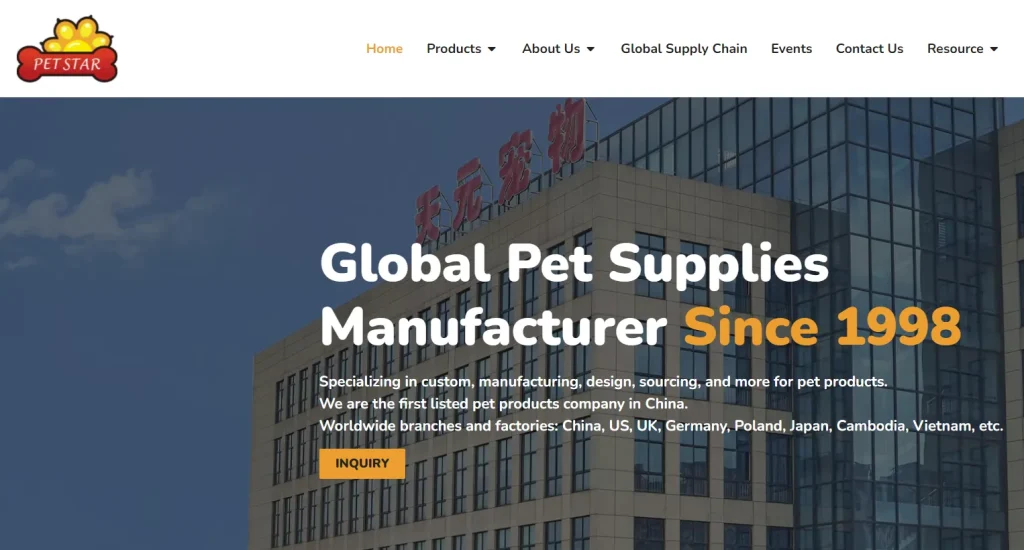
5. Advantages of Choosing Petstar as a Supplier
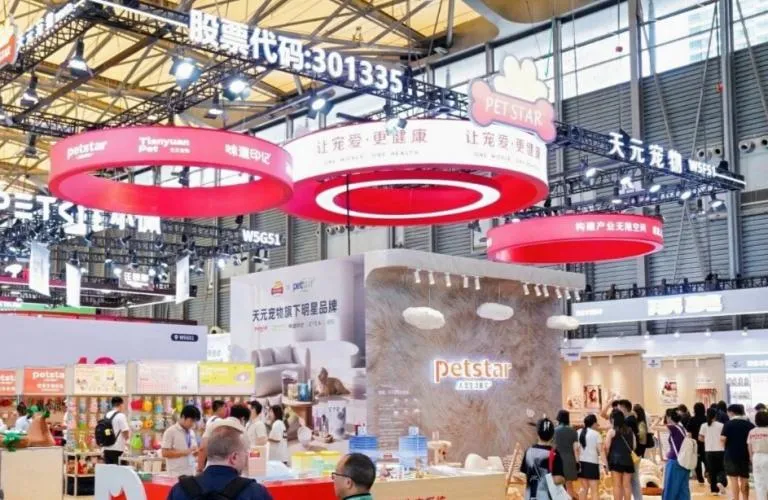
As a cat litter manufacturer, Petstar offers a full range of pet products, including cat litter, litter boxes, brushes, combs, etc., with the following advantages:
- Product diversity: Petstar provides various types of cat litter and other pet cleaning products to meet diverse customer needs.
- Competitive pricing: Choosing Petstar ensures the most favorable prices, increasing profit margins.
- Market insights: Petstar understands the best-selling pet products in the market and can provide professional advice on market trends and demand, helping your pet business thrive.
Petstar, as a manufacturer offering a full range of pet products, can meet diverse needs, provide competitive prices, and offer market insights, making it a worthwhile partner. By selecting high-quality suppliers like Petstar, you can enhance product competitiveness, optimize business strategies, and drive the growth of your pet business.
Conclusion
Choosing the right cat litter is crucial for the health of your cat and the cleanliness of your home. Among various types of cat litter, each has its unique advantages and disadvantages. Bentonite cat litter is inexpensive and has good absorbency and clumping ability but produces more dust and is not environmentally friendly; silica cat litter has excellent moisture absorption and odor control but is expensive and not biodegradable; paper cat litter and corn cat litter have less dust and are environmentally friendly but may fall short in odor control and clumping ability; wheat cat litter and tofu cat litter perform well overall, albeit slightly pricier, with good environmental friendliness.
When selecting cat litter, factors such as your cat’s habits, specific needs, and budget should be considered. For instance, households with sensitivity to dust and allergens can opt for paper cat litter, corn cat litter, wheat cat litter, or tofu cat litter; those emphasizing environmental friendliness can choose biodegradable options; households with limited budgets can select the relatively inexpensive bentonite cat litter.
Choosing a reputable cat litter supplier is equally important. Petstar, as a professional cat litter manufacturer, offers a full range of pet products, including cat litter, litter boxes, brushes, and combs. Petstar not only provides various types of cat litter to meet different needs but also assists your pet business with competitive pricing and market insights.