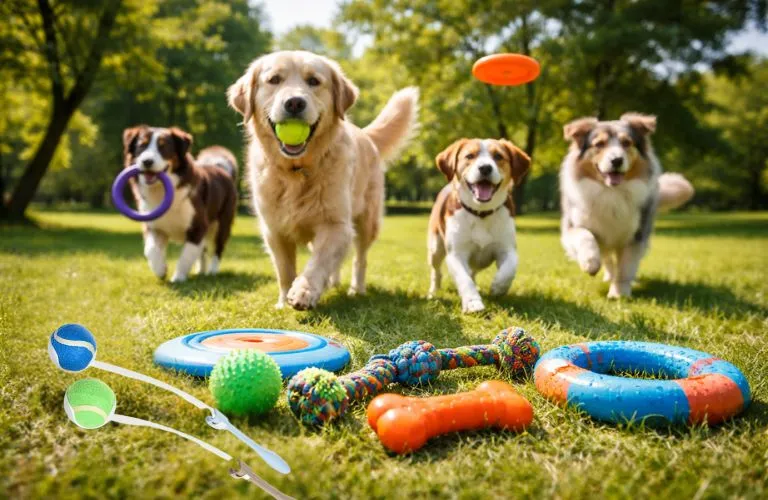









Dogs come in all shapes and sizes, with fur types ranging from thick double coats to thin, almost hairless skin. This variety means that some breeds are naturally better suited to cold weather than others. Pet clothing isn’t just about dressing up your furry friend; it can serve important practical purposes, especially for breeds that need a little extra help regulating their body temperature or keeping safe in different conditions. The growing awareness of pet safety has also led to a rise in functional pet clothing designed to meet specific needs.
Here are some of the most important dog apparel pieces to consider:
The Types of Practical Dog Clothes
1.Dog Shirts
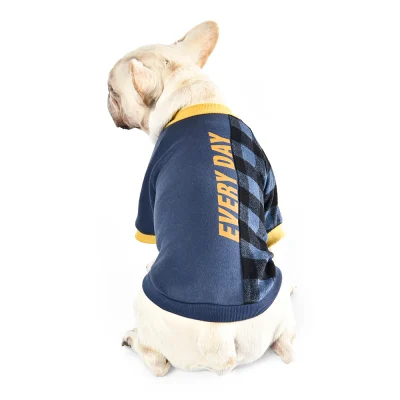
High-quality dog shirts lined with fleece can help trap fur shed by your dog, reducing the amount of fur on your furniture and clothes. Different fleece linings offer varying degrees of effectiveness in trapping fur. Consider double-layered fleece for heavy shedders.
2.Dog Raincoats
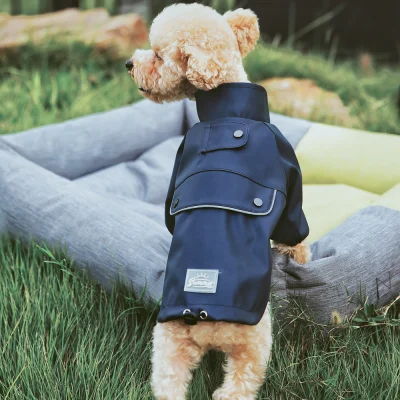
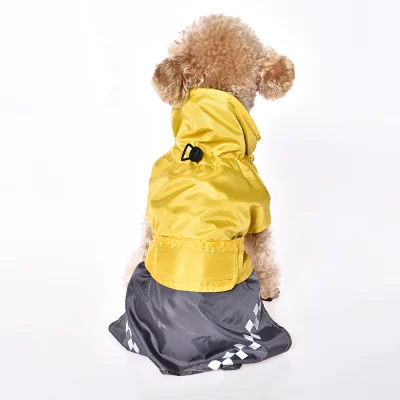
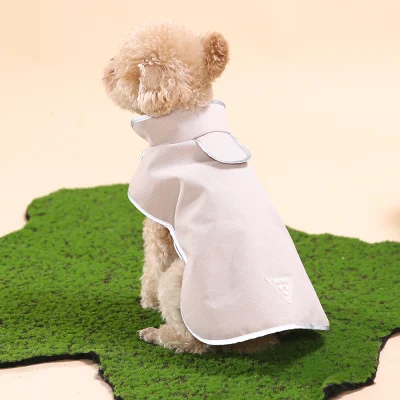
Keep your pup dry and avoid the dreaded damp dog smell with a raincoat. Choose a raincoat made from a waterproof material that is also breathable to prevent your dog from overheating.
3.Dog Hoodies
Especially beneficial for small breeds like Chihuahuas, Pugs, and Italian Greyhounds, hoodies provide extra warmth in cold weather. Look for hoodies with a built-in leash hole for easy walking during chilly strolls.
4.Reflective Vests
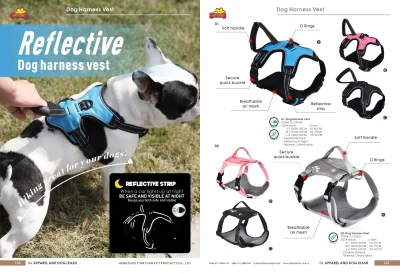
Reflective vests or clothing with reflective surfaces can help make your dog more visible at night, reducing the chances of accidents during evening walks.
5.Dog Sweaters and Jackets
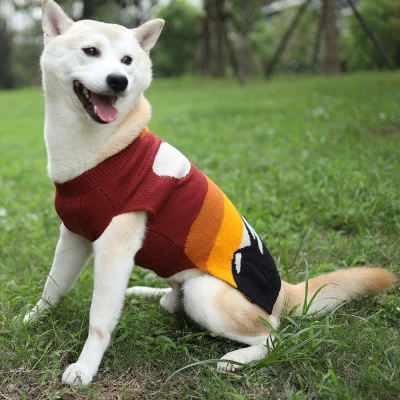
Sweaters and jackets are helpful for colder temperatures, especially for short-haired dogs and senior dogs with arthritis. Sweaters made from wool or fleece offer warmth, while jackets with an outer shell can provide additional wind and water protection.
6.Post-Surgical Wear
Look for specially designed clothing intended to aid recovery after spaying/neutering or other surgeries. These garments often come in lightweight, breathable fabrics and help protect wounds while allowing for freedom of movement.
7.Winter Coats for Dogs
In negative temperatures, some dogs might need winter coats to survive. This is especially true for breeds with shorter snouts who have trouble regulating their internal body temperatures. Look for winter coats made with insulated materials and consider reflective features for added visibility during walks.
8.Cooling Vests
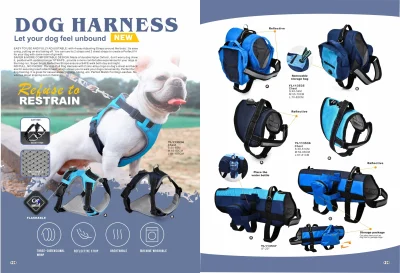
Cooling vests can help minimize the risk of heatstroke in hot summer months. These vests work by using evaporative cooling or gel packs to keep your dog’s body temperature regulated.
9.Canine Life Jackets
Life jackets are essential for dog safety when you’re around open water. As a general rule, if your dog can’t reach the ground while keeping their head above water, they need a life jacket. Choose a life jacket with a snug but comfortable fit and a handle for easy lifting.
10.Dog Booties
Dog booties can protect your pup’s paws from debris like broken glass or hot pavement, as well as from extreme ground temperatures (both hot and cold). Choose booties with a secure fit that stays on your dog’s paws during walks.
11.Bandanas
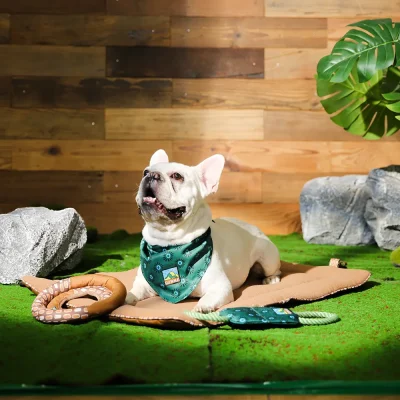
Bandanas are a stylish and versatile accessory for dogs. They come in a wide variety of colors, patterns, and designs.
12.Hats
Some dogs can tolerate hats, which can add a touch of flair and provide sun protection for their ears and face.
13.Surgical Vests and Therapy Tops
These garments can be used to protect stitches or allow wounds to heal after surgery or injury.
Things to Consider Before Purchasing Pet Clothing
1.Considering Your Dog’s Breed
Size and Build: A proper fit is crucial for comfort. Measure your dog’s neck, chest girth, and back length to ensure the clothes you choose aren’t too tight or too loose. Breeds with deep chests or broad shoulders may require specific sizing considerations.
Fur Type: Double-coated breeds may not need extra warmth from sweaters or jackets in most climates. Hairless breeds, on the other hand, will benefit from clothing year-round.
2.Activity Level
Highly active dogs may need clothing made from breathable, moisture-wicking materials to prevent overheating during exercise.
For less active dogs, prioritize warmth and comfort over sweat-wicking features.
3.Lifestyle
If your dog spends a lot of time outdoors, consider clothes that are easy to clean and dry.
If your dog is prone to messes, look for machine-washable options.
4.Other Considerations
Durability: Choose well-made garments with reinforced seams to withstand playful pups.
Ease of Use: Look for clothes that are easy to put on and take off, especially for dogs who dislike being dressed.
Cost: Dog clothes come in a wide range of prices. Consider your budget and how often your dog will wear the garment.
Consider customization and bulk purchasing
This guide is great for individual pet owners, but what about sellers and wholesalers? If you’re looking to stock your shelves with stylish dog clothes, consider contacting Petstar, a dog clothing manufacturer that offers customization options. Whether you have a specific design in mind or need help getting started, Petstar can work with you to create the perfect pup apparel. Petstar even provides sample services to ensure you’re happy with the final product.
While the minimum order quantity typically starts at 1,440 pieces, Petstar is known for flexibility. Petstar can work with you on customization and delivery times to meet your specific needs. So, if you’re looking for a reliable partner to produce high-quality, customized dog clothing for your global customer base, look no further than Petstar!
Conclusion
When in doubt, avoid dressing up your pet. However, there are some situations where clothing can be practical and beneficial for dogs. If you’re unsure about whether or not your dog needs clothes, consult with your veterinarian.