











Introduction
In today’s competitive pet supplies market, dog harnesses stand out as essential products that combine functionality, comfort, and safety. One of the most critical factors that determines the overall quality and user satisfaction of a dog harness is its material. The right material can dramatically affect a dog’s wearing experience, the durability of the product, and the ease of use for pet owners.
A well-made dog harness relies on a reasonable structural design and the combination of suitable materials. The soft and breathable material enhances wearing comfort, the strong webbing provides control, and the waterproof and easy-to-clean outer layer material improves daily maintenance convenience. These factors jointly build a truly “practical and wearable” shoulder strap product.
In this blog, we will explore the most common materials used in dog harnesses, analyze their pros and cons, and provide insights into how to choose the best material based on your needs. Whether you’re a pet product buyer, brand developer, or simply want to offer the best gear for dogs, this guide will help you make informed decisions.
The Importance of Choosing the Right Material
Selecting the right material for a dog harness is far more than a design decision, it’s a crucial factor that affects the product’s performance, user satisfaction, and market success. Below are four critical reasons why material selection matters:
Comfort
A high-quality harness should prioritize the dog’s comfort. Soft, breathable, and skin-friendly materials prevent chafing and irritation, especially during extended use. A comfortable harness encourages dogs to wear it willingly, minimizes resistance, and enhances the walking experience for both pets and owners. This is especially important for dogs with sensitive skin or those prone to pulling.
Durability
Dogs are naturally active, and their gear needs to withstand the daily wear and tear. Choosing durable dog harness materials, such as heavy-duty nylon or reinforced polyester, ensures the harness maintains its shape and strength over time. This reduces replacement frequency and supports brand reputation for quality and reliability.
Safety
Material strength directly contributes to the safety and control a harness offers. Strong fabrics with high tensile strength allow pet owners to manage their dogs more effectively, reducing the risk of breakage or escape. Reinforced stitching and padded linings also help maintain structural integrity during training or walks in high-traffic areas.
Aesthetic Appeal
In today’s pet market, appearance matters. The texture, finish, and colorfastness of the material determine the harness’s visual appeal. Whether your brand targets minimalist urban styles or bold, fashion-forward designs, choosing the right material helps create a harness that stands out on the shelf and appeals to pet owners seeking both function and style.
Comparative Analysis of Common Dog Harness Materials
When selecting materials for dog harnesses, B2B buyers must balance durability, comfort, cost, and market appeal. Below, we break down the pros, cons, and ideal applications of the five most widely used materials to help you make informed decisions for your product line.
Nylon
Pros:
Nylon is a top choice for high-performance harnesses due to its exceptional strength-to-weight ratio, making it both lightweight and resistant to wear and tear. Its water-resistant properties and ability to hold vibrant dyes (ideal for custom branding) further enhance its appeal. Nylon’s flexibility allows for ergonomic designs that adapt to a dog’s movement without compromising durability.
Cons:
Lower-quality nylon may fade over time, and prolonged exposure to high temperatures (e.g., direct sunlight or hot water) can cause deformation.
Best Applications:
Perfect for active or working dogs (e.g., hiking, agility training) and mid-to-high-end markets. Brands targeting outdoor enthusiasts often prioritize nylon for its rugged reliability.
Polyester
Pros:
Polyester stands out for its UV resistance, making it ideal for harnesses used in sunny climates. It retains color brilliance longer than nylon, even after frequent washing, and its low production cost makes it a go-to for budget-friendly lines. The material is also easy to clean, appealing to pet owners seeking low-maintenance products.
Cons:
While durable, polyester fibers can stretch over time, leading to loosening straps. It’s slightly less abrasion-resistant than nylon.
Best Applications:
Suited for everyday use, harnesses are in mass-market retail. Its affordability and colorfastness make it popular for seasonal collections or entry-level products.
Leather
Pros:
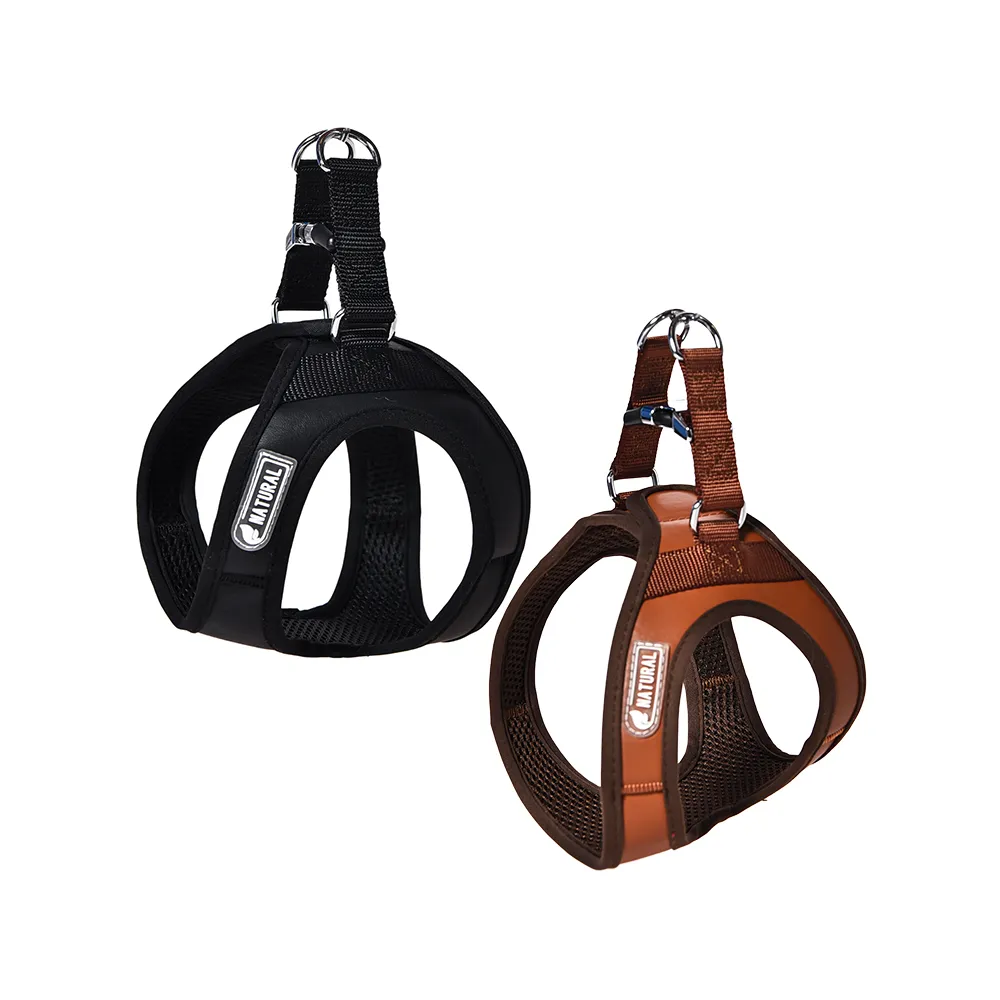
Leather exudes luxury and timelessness, appealing to premium brands. It’s highly durable and molds to a dog’s body over time, offering superior comfort. Natural breathability reduces skin irritation, a key selling point for discerning customers.
Cons:
High material and labor costs (e.g., hand-stitching), plus the need for regular conditioning to prevent cracking. Leather is also heavier than synthetic alternatives.
Best Applications:
Targets the high-end market—think boutique brands or heritage-style designs. Ideal for small-batch, artisanal collections where aesthetics and prestige justify the price.
Mesh Fabric
Pros:
Mesh’s ultra-breathable weave prevents overheating, making it a favorite for hot climates or short-nosed breeds prone to respiratory issues. Its featherlight construction minimizes pressure on a dog’s chest.
Cons:
Limited tensile strength, not recommended for strong pullers or large breeds. Mesh may fray faster under rough use.
Best Applications:
Optimal for small dogs or casual walks. Lightweight designs cater to urban pet owners prioritizing comfort over heavy-duty performance.
Hybrid Materials
Pros:
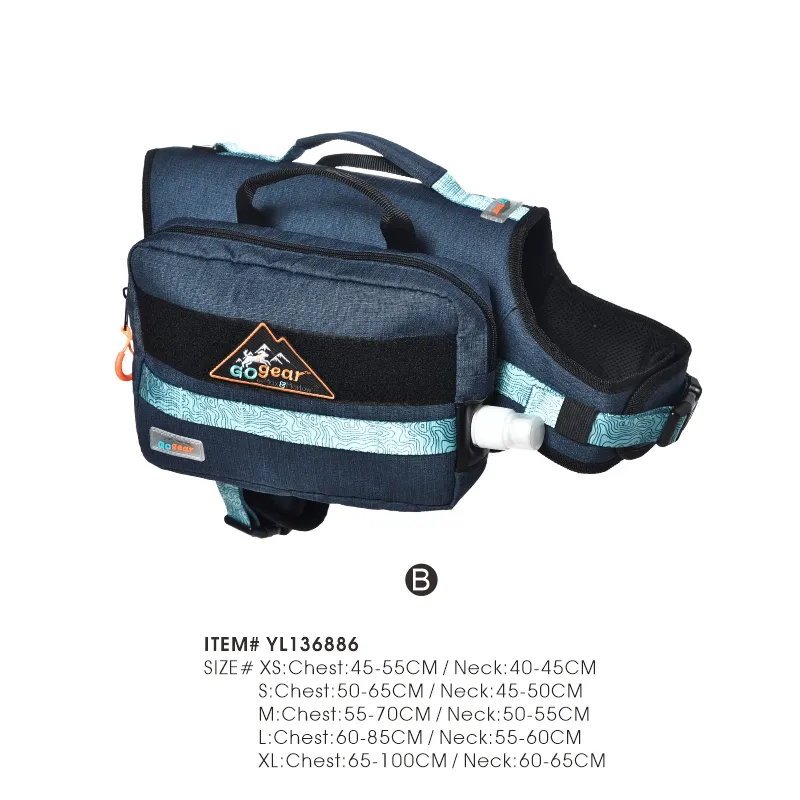
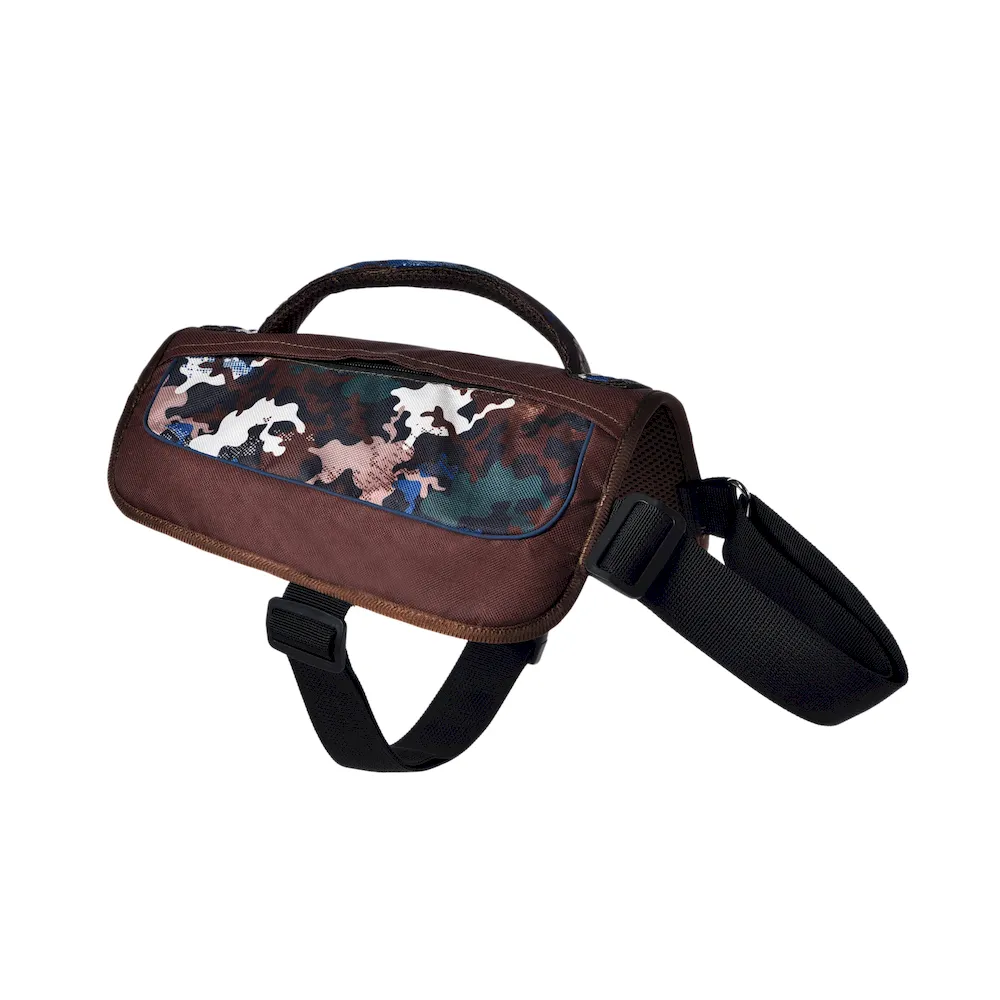
Hybrid designs combine the best of multiple materials. For example, a nylon/polyester outer shell for durability paired with a padded neoprene or fleece lining for comfort. Modular features like detachable pouches or reflective strips add versatility and upsell potential.
Cons:
Complex construction can increase production time and costs.
Best Applications:
Growing in popularity for customizable, multifunctional harnesses. Brands targeting tech-savvy or eco-conscious consumers might integrate recycled fabrics or smart-tech compatibility.
How to Choose the Right Material Based on Practical Needs
Choosing the best material for a dog harness goes beyond aesthetics, it directly impacts comfort, safety, and customer satisfaction.
Match Material to Dog Size and Activity Level
Different dog sizes and behavior profiles demand different harness materials:
Large or energetic dogs require strong, durable materials such as nylon, neoprene, or hybrid designs reinforced with structural webbing. These materials handle pulling force and high activity without compromising safety.
Small or calm breeds benefit from lightweight, comfortable options like mesh or padded polyester, offering gentle support and reducing bulk for ease of movement.
Consider Climate and Weather Conditions
Environmental factors play a crucial role in material performance and user satisfaction:
Hot or tropical climates → Prioritize mesh fabrics or ventilated polyester to maximize airflow and reduce heat retention.
Rainy or humid regions → Choose nylon or neoprene, both known for water resistance and fast drying.
Cold climates → Look for materials with insulated or fleece-lined interiors to keep dogs warm and comfortable during winter walks.
Prioritize Comfort and Fit
A well-fitting harness made from soft, adaptive materials promotes longer wear times and reduces returns:
Opt for materials with soft inner linings, like neoprene, fleece, or brushed polyester to reduce chafing and irritation.
Flexible fabrics allow the harness to move naturally with the dog’s body, ideal for training, jogging, or extended outdoor use.
Factor in Ease of Cleaning and Product Longevity
Durability and low maintenance are major purchase drivers for pet owners:
Nylon and polyester are water-resistant, stain-resistant, and machine washable perfect for daily wear or adventure use.
Durable materials that retain shape and resist fraying reduce warranty claims and boost long-term customer satisfaction.
Recommended Material Combinations for Different Harness Uses
Dog harnesses serve a variety of functions, from basic daily use to advanced training and outdoor adventures.
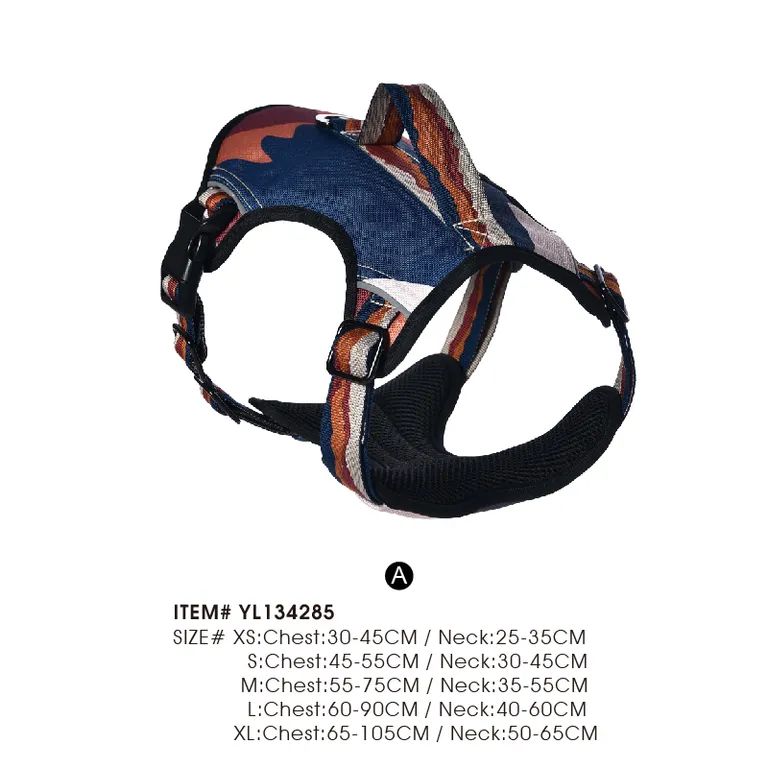
Training Harnesses
Recommended Materials: Nylon + Mesh
Nylon delivers superior tensile strength and abrasion resistance, ideal for dogs that pull or require leash correction. The addition of mesh panels enhances ventilation and flexibility, keeping the dog cool and reducing discomfort during long sessions.
Application Scenario:
Designed for obedience training, behavioral correction, and working breeds that need secure control and breathability.
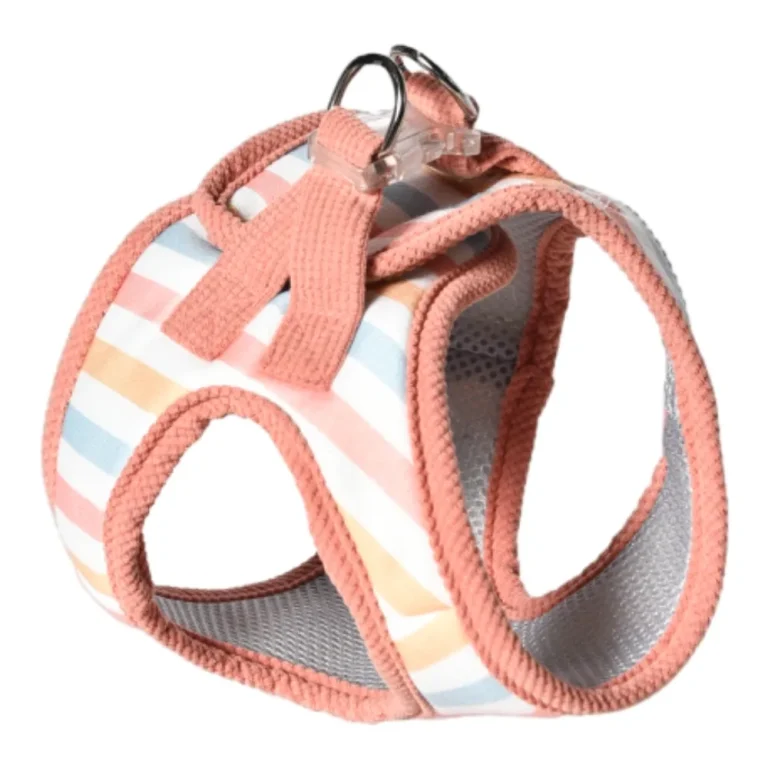
Everyday Walking Harnesses
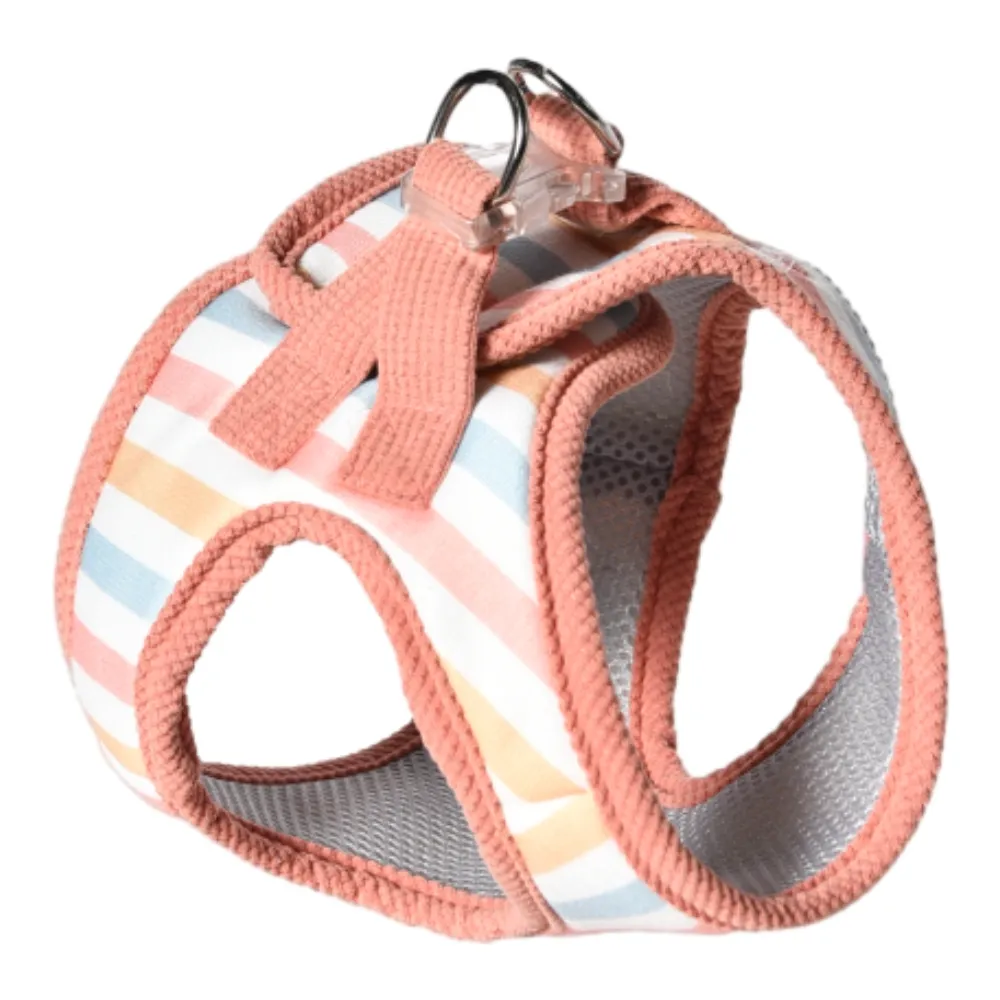
Recommended Materials: Polyester + Soft Mesh Lining
Polyester is cost-efficient, UV-resistant, and retains vibrant prints well, perfect for mass-market and seasonal collections. Lining it with mesh offers added softness and airflow without compromising durability.
Application Scenario:
Best suited for urban pet owners, small to medium breeds, and daily neighborhood walks.
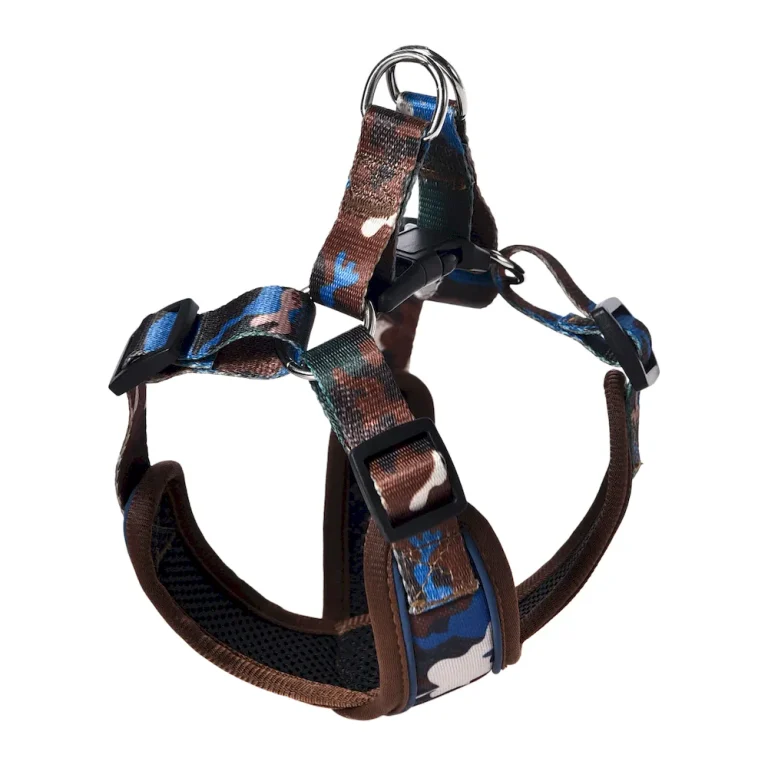
Outdoor Adventure / Sport Harnesses
Recommended Materials: Nylon + Polyester
Nylon provides rugged strength for hiking or jogging, while polyester enhances color retention, weather resistance, and ease of cleaning, making it a durable yet visually appealing option.
Application Scenario:
Ideal for active dogs, outdoor enthusiasts, and customers seeking performance-grade gear.
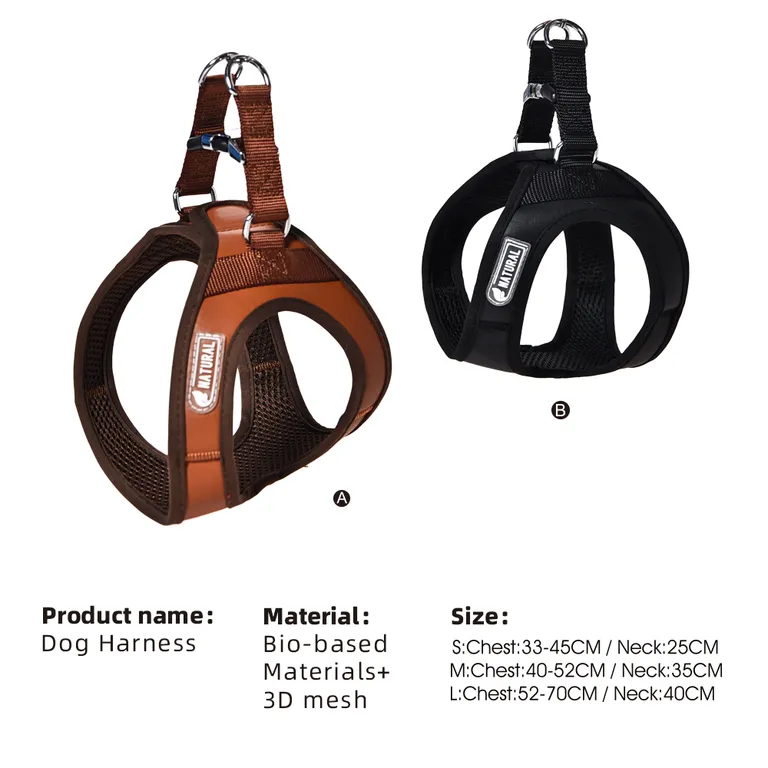
Luxury or Premium Lifestyle Harnesses
Recommended Materials: Leather + Soft Mesh
Leather delivers premium aesthetics, longevity, and natural breathability, while inner mesh panels help reduce weight and improve comfort and airflow. This pairing combines luxury with practicality.
Application Scenario:
Ideal for boutique brands, designer lines, or special occasion collections targeting high-income pet owners.
Customized Material Solutions: Advantages of Partnering with Petstar
At Petstar, we help major buyers create standout dog harnesses through customized material solutions:
- Tailored by Category & Breed: We develop materials suited to different dog sizes and harness functions, training, daily walks, or outdoor use.
- Enhance Brand Identity: Unique fabrics and finishes help distinguish your brand in a competitive market.
- Cost-Effective at Scale: Our global production capabilities ensure consistent quality and controlled costs in large-volume orders.
- Reliable Quality Control: All materials meet international safety and durability standards.
- One-Stop Custom Support: From concept to mass production, we provide full OEM/ODM services tailored to your needs.
Conclusion
Choosing the right material is key to ensuring the comfort, functionality, and market appeal of dog harnesses. From daily walks to outdoor adventures, the right fabric can make all the difference in performance and customer satisfaction. Partner with Petstar to develop custom dog harnesses tailored to your brand and customers. Let’s create products that combine quality, innovation, and style.