









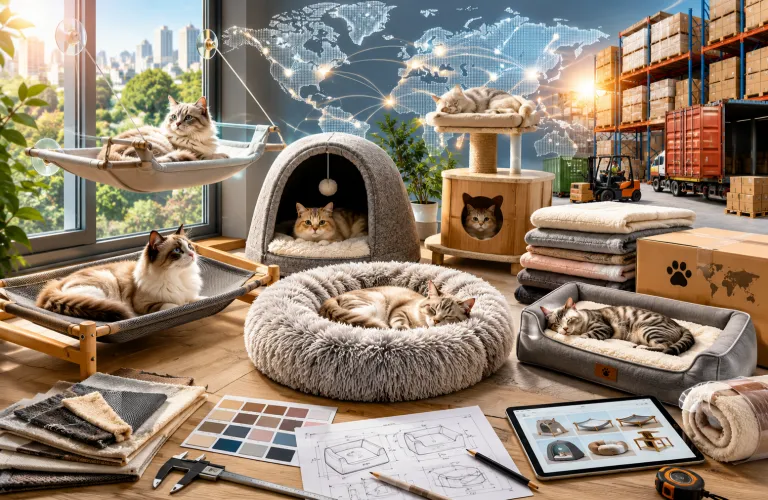
For pet brands, large e-commerce sellers, and regional retail buyers, navigating the current pet accessories landscape is a balancing act between protecting shrinking margins and capturing emerging consumer niches. While dog products have traditionally dominated purchasing capital, a structural shift has occurred within the global cat bed market.
Driven by rapid urbanization, high-density apartment living, and the rise of multi-cat households, feline-specific sleeping solutions are no longer an extension of dog-centric lines. They are a high-margin, high-turnover category in their own right.
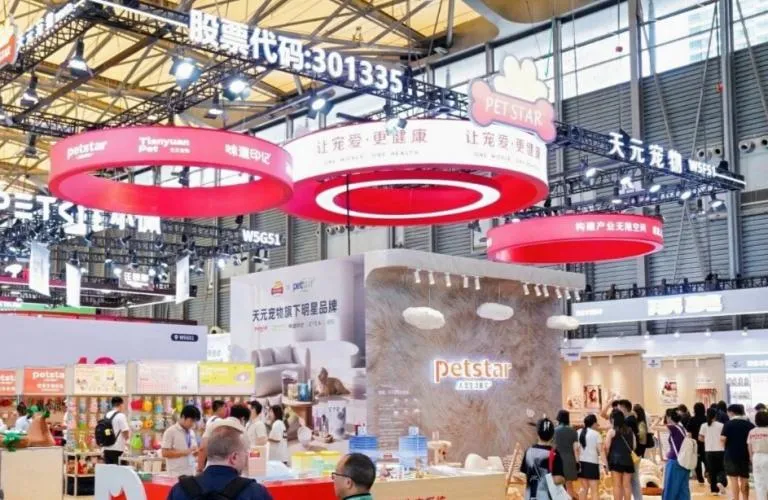
Based on 29 years of manufacturing data and global supply chain insights from Petstar, this analysis breaks down the real-world dynamics driving the cat bed market, maps out key product categories, and reveals how elite brands are optimizing their manufacturing and logistics to maximize ROI.
What Is the Cat Bed Market?
The cat bed market refers to the global industry focused on the design, manufacturing, and distribution of sleeping products specifically developed for cats. The category includes orthopedic cat beds, calming cat beds, cat bed caves, raised cat beds, and window-mounted sleeping solutions. Growth is driven by urban pet ownership, premium pet care spending, and increasing demand for specialized feline comfort products.
The Macro Economics of the Global Cat Bed Market
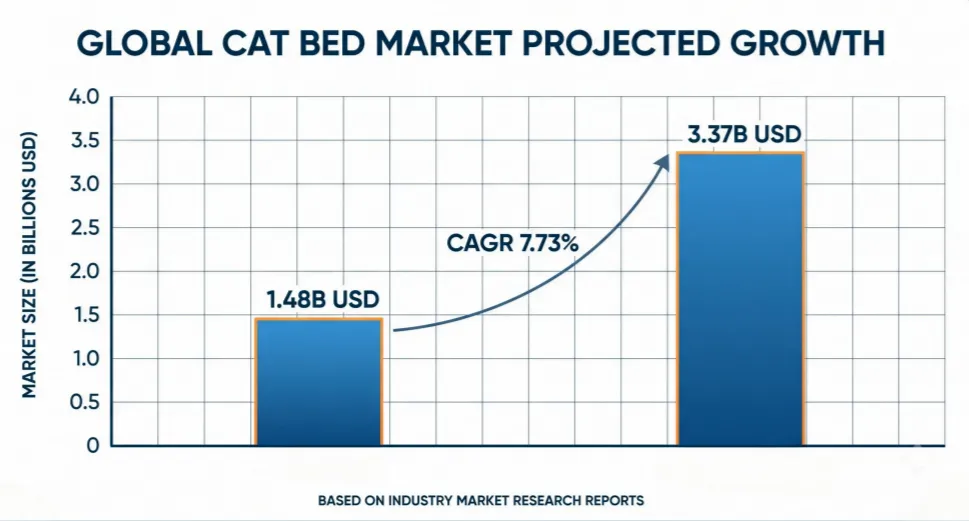
Hard metrics must justify sourcing decisions. The global cat bed market is on a highly profitable trajectory. According to industry market research reports, the global cat bed market is projected to grow from approximately $1.48 billion to $3.37 billion over the coming years, maintaining a highly stable 7.73% Compound Annual Growth Rate (CAGR).
Unlike dog owners, who typically replace a bed only when it is structurally destroyed, cat owners frequently maintain a multi-bed infrastructure within a single home. Feline behavioral psychology requires territorial zoning, cats need distinct spaces for nesting, perching, and hiding. This translates into a higher units-per-household purchase rate, making wholesale cat beds one of the most reliable volume drivers for retail supply chains.
Regional Realities: Sourcing for Different Demographics
A common pitfall in pet product procurement is treating Western markets as a monolith. Through Petstar’s global distribution network across North America, Europe, and Asia, we observe stark differences in what drives the buy button.
United States: High-Volume Wellness and Functional Luxury
The US controls roughly 45% of the global cat bed market share. The American consumer profile is defined by high disposable income, a strong focus on preventative pet healthcare, and larger home footprints.
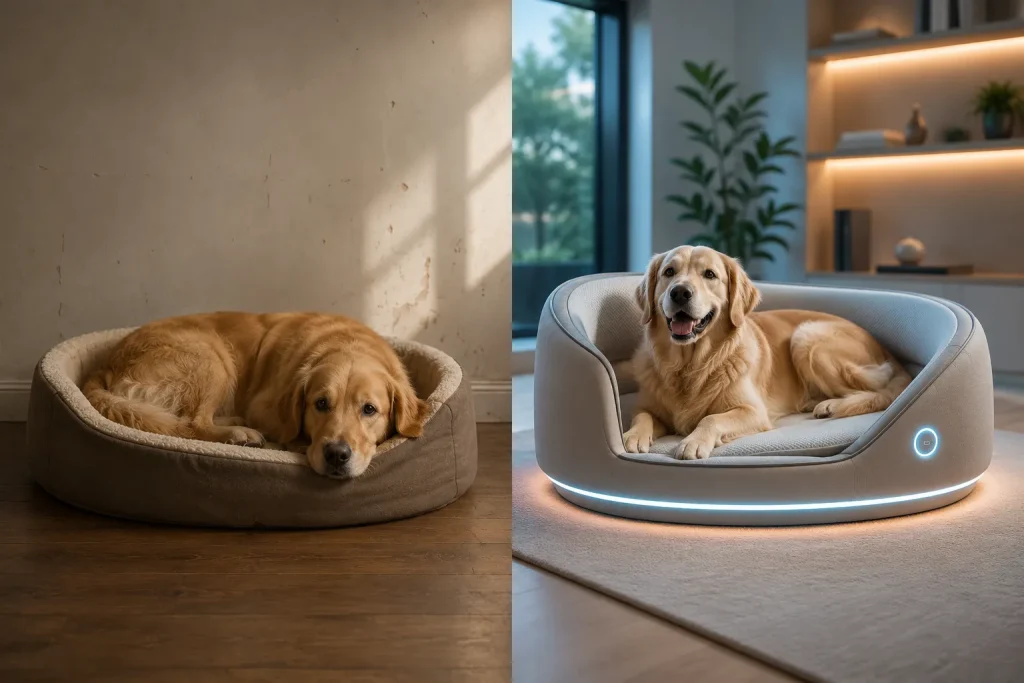
- The Orthopedic Trend: Cheap, loose polyester-stuffed mats are losing ground. Buyers actively seek out the orthopedic cat bed segment, willing to pay a premium for certified memory foam that protects feline joints.
- Anxiety-Relief Mechanics: The calming cat bed (specifically faux-fur donut beds with heavy-gauge fillings) remains an online best-seller. Brands importing bulk cat beds for the US market must include these texture-driven, highly photogenic lines.
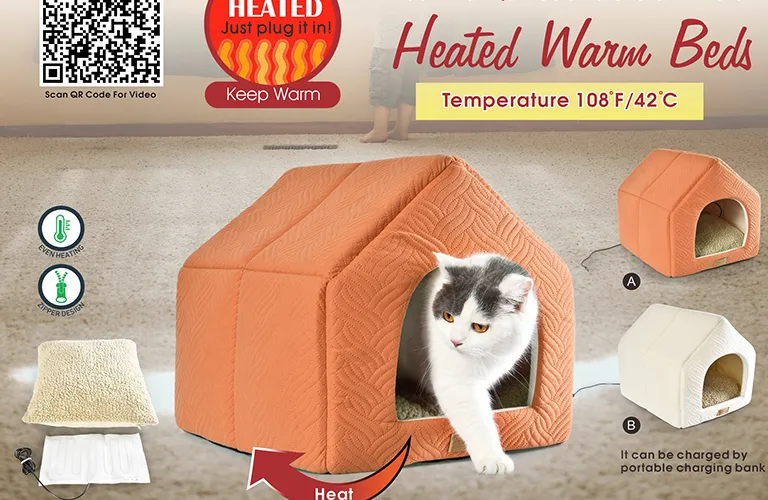
- Seasonal Shifts: Q4 brings a massive surge in searches for the heated cat bed and self-warming thermal pads, which are highly effective when bundled with elevated frames.
Europe: Eco-compliance and Compact Spaces
Europe represents approximately 27% to 30% of the market, driven by Germany, the UK, and France. Sourcing for this region requires a focus on space efficiency and material certifications.
- The Eco-Friendly Mandate: European buyers look past the marketing copy to check the law tags. To get a private label cat bed into major European retail networks, fabrics must often feature OEKO-TEX Standard 100 compliance or utilize Global Recycled Standard (GRS) fillings.
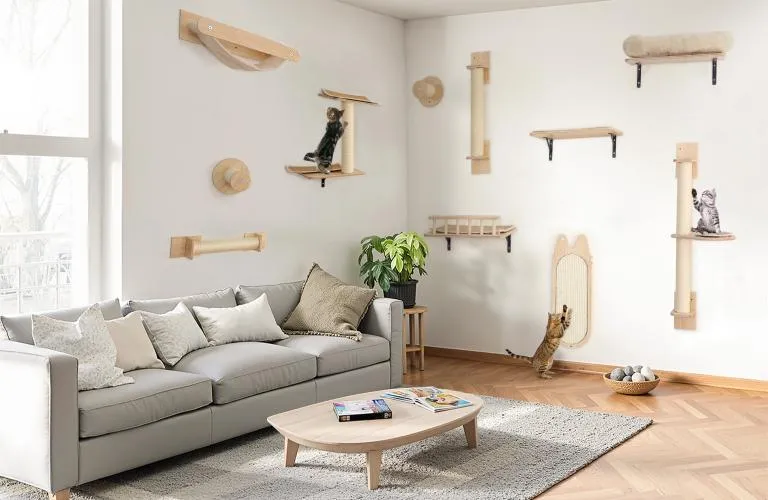
- Vertical Architecture: European apartments are historically more compact than US homes. Consequently, the European cat bed market heavily favors the cat window bed (suction-cup window hammocks) and wall-mounted sleeper pods that preserve floor space.
- Minimalist Aesthetics: Bright, neon synthetics do not perform well here. The European market demands a luxury cat bed aesthetic, neutral color palettes, pressed structural felt, and clean wooden frames that mimic modern furniture.
Major Product Categories and Sourcing Specifications
To maintain low return rates and high review scores, your catalog must segment products by functional performance.
|
Product Type |
Target Customer |
Price Range |
Margin Potential |
Best Sales Channel |
|
Orthopedic Cat Bed |
Premium Buyers |
High |
High |
Retail / DTC |
|
Calming Cat Bed |
General Consumers |
Medium |
Medium-High |
Amazon |
|
Design-Oriented Buyers |
Medium |
High |
Specialty Stores |
|
|
Raised Cat Bed |
Outdoor / Summer Use |
Medium |
Medium |
Pet Retail |
|
Window Cat Bed |
Apartment Owners |
Medium |
High |
Online Sales |
Material Engineering:
In mass-volume production, material consistency directly impacts a brand’s reputation. At Petstar’s 9 advanced production facilities, we categorize materials based on structural integrity and compliance rather than just surface feel.
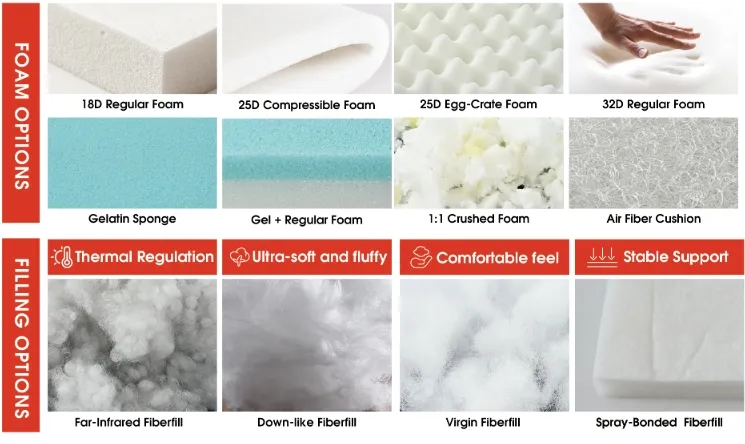
- Core Fillings: While standard polyester fiberfill is fine for entry-level lines, premium indoor cat bed collections rely on CertiPUR-US certified solid memory foam. Cheap fiberfill clumps and flattens within three months, leading to product returns and negative reviews.
- Outer Covers: Removable, fully washable cat bed covers are now an industry standard requirement. The fabrics must undergo rigorous colorfastness and anti-shrinkage testing to withstand repeated machine wash cycles without losing their tactile appeal.
- The Base Layer: High-performing cat beds must feature a non-slip, waterproof dotted Oxford cloth base. This prevents the bed from sliding on hardwood floors and acts as a barrier against accidental spills or urine leaks.
The Freight Trap: Optimizing Packaging and Logistics
The single biggest threat to profitability in the cat bed market is Dimensional Weight (DIM Weight). Cat beds are essentially pockets of trapped air. If you ship them uncompressed, you are paying premium international freight rates to transport air across the globe. Logistics can easily swallow 18% to 22% of your gross product margins if your factory lacks packaging engineering.
Through Petstar’s 230,000 m² manufacturing infrastructure, we solve this through two precise engineering methods:
High-ratio Industrial Vacuum Compression
For plush lines, like the donut cat bed or memory foam mats, we utilize industrial hydraulic vacuum sealing.
The Rebound Risk: Low-grade foam or recycled fiberfill suffers from “compression memory.” If a bed sits in a shipping container for 45 days during ocean transit and fails to expand fully when unpacked by the consumer, your brand faces immediate financial loss.
Petstar resolves this by using high-rebound, 30D minimum density polyurethane foams and premium virgin fibers. Our beds are verified to achieve a 98% shape recovery rate within 24 hours of opening, even after 90 days under vacuum compression, allowing you to double your container loading capacity without risking quality.
Roll Compression: A Smarter Alternative for Flexible Bedding Products
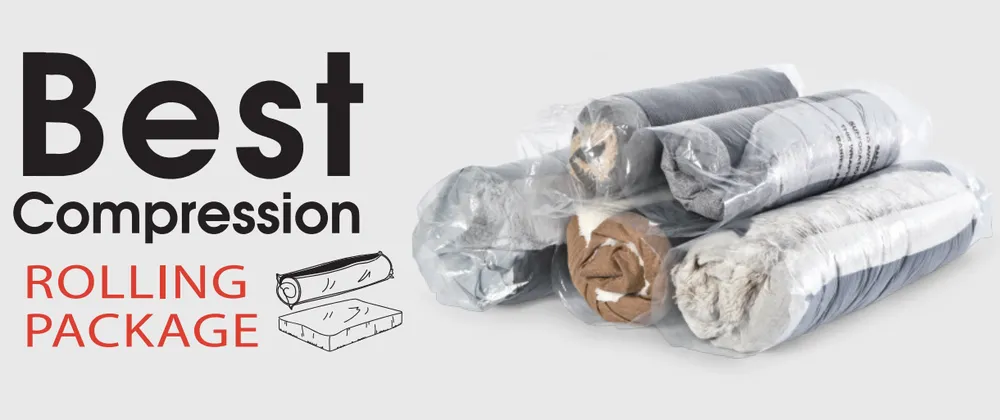
For selected pet beds and cushions, Petstar also utilizes roll compression technology as an alternative packaging solution. Instead of applying heavy vacuum pressure, products are tightly rolled into a compact cylindrical format, reducing package volume while maintaining the integrity of internal fillings.
This method is particularly suitable for pet cushions, crate mats, kennel pads, and lightweight cat beds where fast shape recovery is a priority. Compared with traditional flat packaging, roll-packed products are easier to store, handle, and distribute throughout the supply chain.
By combining vacuum compression, roll compression, and knock-down packaging strategies, Petstar helps customers maximize container utilization, reduce freight costs, and improve overall logistics efficiency without compromising product quality.
Knock-down and Modular Construction
For rigid structures, such as wood-framed raised cat beds or architectural cat houses, vacuum packing is impossible. We design these items with interlocking mechanisms, hidden bolt systems, or zip-together panels so they ship completely flat-packed, protecting your margins from oversized shipping surcharges.
Conclusion
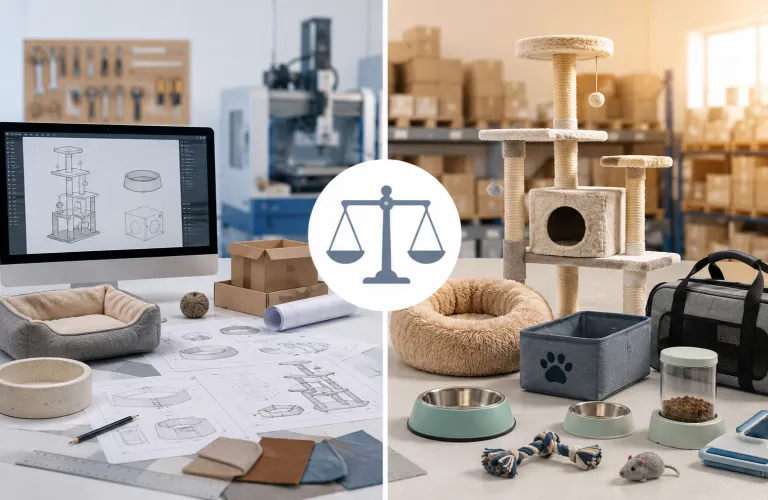
The cat bed market is rapidly evolving toward premium, material-conscious, and logistically optimized products. Succeeding in this competitive landscape requires more than just a sourcing agent, it requires a production partner with deep R&D and manufacturing scale.
With over 29 years of industry experience, a workforce of 1,700+ employees, and the capability to develop 90+ new product designs each month, Petstar is the premier OEM/ODM choice for global pet brands, major retailers, and fast-scaling e-commerce businesses.
Contact our B2B team to receive our latest product catalog, material spec sheets, and a custom freight-optimization quote for your target market.
FAQ About Cat Bed
How can a brand differentiate in a saturated cat bed market?
Move away from generic designs and focus on functional blends. Bundling a washable cat bed with specialized features, such as a cat scratching bed combo or a modular cat bed cave that converts into an open sofa, creates immediate differentiation on digital shelves.
What are the critical compliance standards for importing cat beds into the US and EU?
For Europe, REACH and OEKO-TEX certifications for textiles are critical to avoid customs delays. For the US market, ensuring your foam fillings carry CertiPUR-US certification gives you a major advantage when pitching to tier-one retailers.
What is the fastest-growing segment in the cat bed market?
Orthopedic cat beds and calming cat beds currently represent two of the fastest-growing categories due to increasing consumer focus on pet wellness and comfort.
How does Petstar handle quality control across large-scale OEM orders?
Our quality management workflow is divided into three strict gates: Incoming Material Inspection (verifying foam density and fabric tensile strength), In-Production Inspection (checking stitching density and zipper tracks), and Final Inspection (vacuum seal integrity testing and barcode verification before container loading).
How often do consumers replace cat beds?
Most cat beds are replaced every 6 to 18 months depending on usage frequency, material quality, and cleaning habits.
What is the most profitable cat bed category for private label brands?
Premium orthopedic cat beds typically offer the highest margins due to their perceived health benefits and higher average selling prices.