










In recent years, dog clothing has become increasingly popular in the pet world. It’s not just for aesthetics; more and more dog owners are discovering that dressing their dogs can provide many practical benefits. For instance, in cold weather, clothing can offer extra warmth for the dog; on rainy days, waterproof clothing can keep the dog dry; during holidays, festive costumes can enhance the holiday atmosphere. So, why dress your dog? How to choose the right clothes? This article will take you on an exploration.
1. Types of Dog Clothing
Dog clothing is not just for decoration; it comes in a variety of types, each serving different functions. Below are some common types of dog clothing to help you choose the most suitable apparel based on different needs.
1.1 Everyday Wear
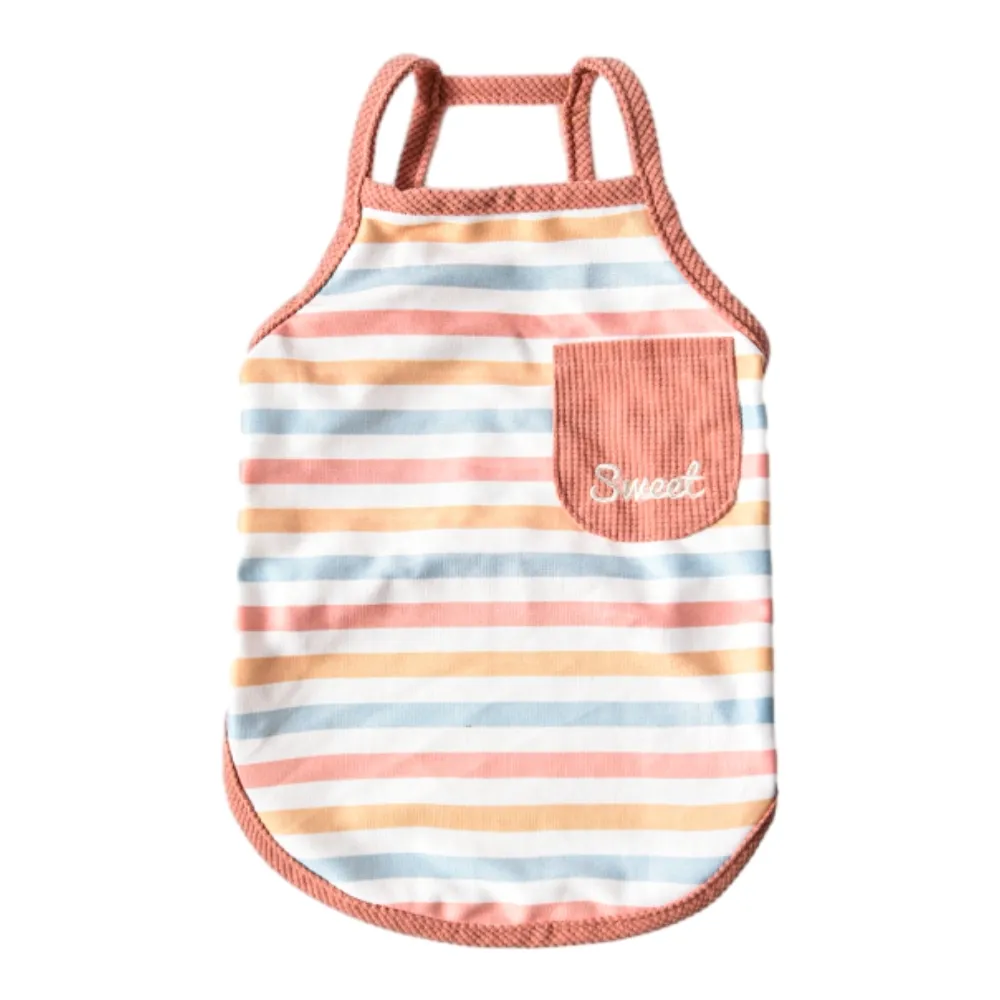
Everyday wear includes items like T-shirts, tank tops, and hoodies, which are suitable for dogs to wear at home or while out for a walk.
- T-shirts and Tank Tops: These lightweight clothes are perfect for warm weather. They can protect a dog’s skin from UV rays and prevent minor scrapes and insect bites.
- Hoodies: Ideal for cooler weather, providing some extra warmth. Hoodies are often stylishly designed, making dogs look very cute.
1.2 Functional Wear
Functional wear is particularly important under certain weather conditions or special environments.
- Cold Weather Coats: Made of thick materials and lined with warm fillings like cotton or fleece, these coats keep dogs warm in cold winter months. They usually cover most of the dog’s body to ensure they stay warm even in low temperatures.
- Raincoats: Made from waterproof materials, raincoats ensure dogs stay dry during rainy days. They typically feature extended backs and snug cuffs to prevent water from getting inside.
- Windbreakers: Suitable for windy weather, these jackets are made from wind-resistant materials. They effectively block cold winds while maintaining good breathability to prevent dogs from overheating.

1.3 Holiday and Special Occasion Wear
Holiday and special occasion wear is uniquely designed and full of creativity, making it a great way to make your dog the center of attention.
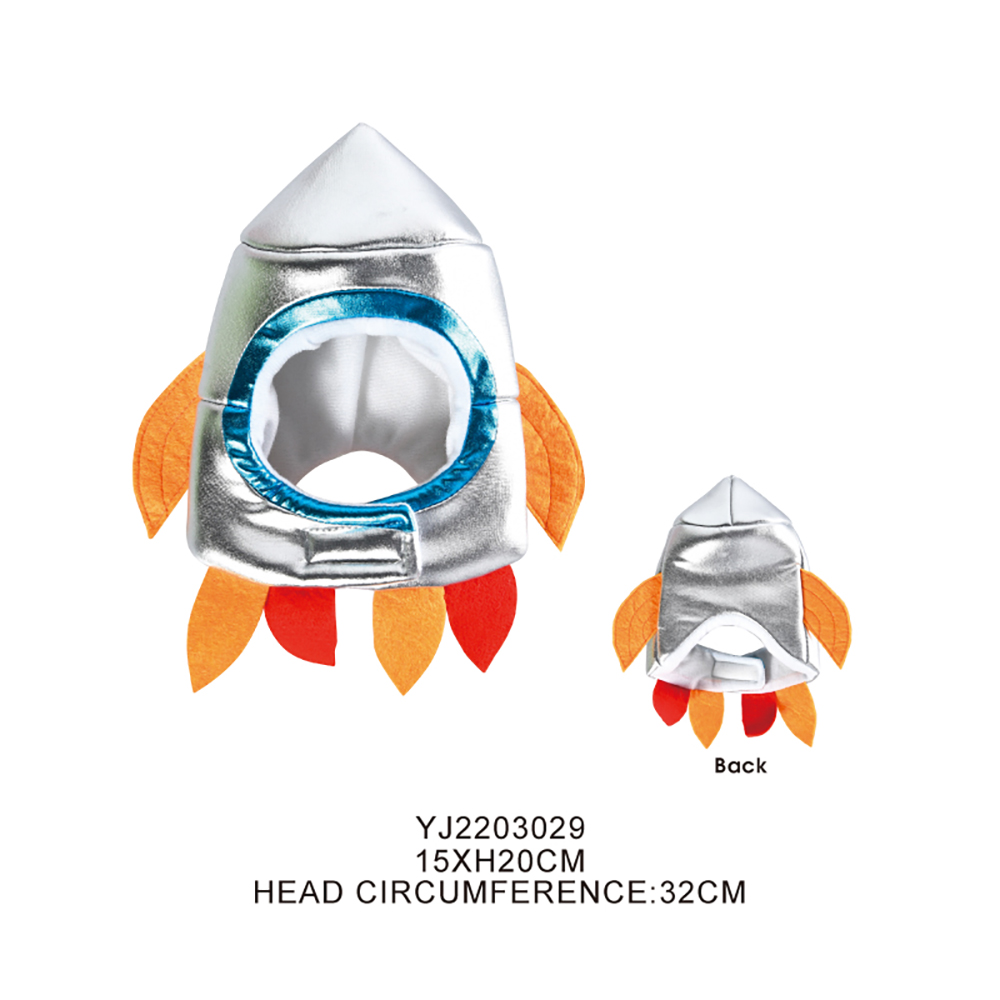
- Holiday Costumes: Special outfits for holidays like Halloween and Christmas. These costumes are often very fun, such as pumpkin suits, Santa Claus outfits, or reindeer costumes, allowing dogs to join in the festive spirit.
- Birthday Apparel: Preparing a special outfit for your dog’s birthday, like a T-shirt with “Happy Birthday” printed on it or a sequined dress, can make your dog shine on their special day.
- Wedding and Formal Attire: Some dog owners like to dress their dogs in little tuxedos or dresses for weddings or formal events. These clothes are elegantly designed with intricate decorations and refined tailoring.
2. Key Points for Choosing Dog Clothing
2.1 Size and Fit
Choosing the right size is crucial. Measure your dog’s neck circumference, chest girth, and back length, and select clothing based on these measurements to ensure a proper fit. Clothing that is too tight can restrict your dog’s movement, while clothing that is too loose may fall off or be chewed by the dog.
2.2 Material and Comfort
The material directly affects comfort. Cotton clothing is soft and breathable, making it suitable for everyday wear and summer use. Wool garments are warm and moisture-wicking, ideal for winter. Polyester and nylon are suitable for outdoor wear that needs to be durable and abrasion-resistant.
2.3 Safety and Functionality
Ensure the clothing has no small decorations that your dog could easily bite off and swallow. When choosing functional clothing, consider features like waterproofing and windproofing. For example, clothing with reflective strips can improve your dog’s visibility at night, enhancing safety.
3. Common Materials Used in Pet Clothing
3.1 Cotton
Cotton clothing is soft and breathable, making it ideal for summer and everyday wear. It is skin-friendly and unlikely to cause allergies.
Advantages:
- Soft and Comfortable: Cotton clothing is very soft and skin-friendly, making it suitable for long-term wear.
- Good Breathability: Cotton is highly breathable, which is ideal for warm weather to prevent overheating.
- Hypoallergenic: Cotton is unlikely to cause allergic reactions, making it suitable for dogs with sensitive skin.
Disadvantages:
- High Absorbency: Cotton absorbs moisture easily, making it unsuitable for wet or rainy conditions.
- Less Durable: Cotton is less durable compared to other materials and can wear out or tear easily.
3.2 Polyester
Polyester is durable, wrinkle-resistant, and easy to clean, making it a common choice for outdoor clothing and raincoats. Its quick-drying properties help dogs quickly return to dryness after rain.
Advantages:
- Durable and Wear-resistant: Polyester is very durable and suitable for everyday activities and outdoor wear.
- Wrinkle-resistant: Polyester does not wrinkle easily, maintaining a neat appearance.
- Easy to Clean and Quick-drying: Polyester is easy to wash and dries quickly, making it ideal for frequent cleaning.
Disadvantages:
- Moderate Breathability: Polyester is less breathable than cotton, which may make dogs feel hot in warm conditions.
- Less Comfortable: Polyester is relatively stiff and may not be as comfortable as cotton.
3.3 Wool
Wool is warm and moisture-wicking, making it an excellent choice for winter and cold weather. It helps maintain a dog’s body temperature in chilly conditions.
Advantages:
- Excellent Warmth: Wool provides superior warmth, making it suitable for cold weather.
- Moisture-wicking: Wool absorbs and wicks moisture away, keeping dogs dry.
- Natural Material: Wool is eco-friendly and suitable for environmentally conscious pet owners.
Disadvantages:
- High Cost: Wool clothing is generally more expensive, making frequent replacements costly.
- Prone to Pilling: Wool can pill and requires special care.
3.4 Nylon
Nylon is lightweight, durable, and waterproof, suitable for outdoor activities and rainy days. Its high strength and abrasion resistance make it an ideal material for protective clothing.
Advantages:
- Lightweight and Durable: Nylon is lightweight and very durable, suitable for outdoor activities and intense exercise.
- Good Water Resistance: Nylon is highly water-resistant, making it suitable for rainy and wet conditions.
- Easy to Clean: Nylon is easy to clean and does not stain or deform easily.
Disadvantages:
- Poor Breathability: Nylon is less breathable than cotton or wool, which can make dogs feel hot.
- Moderate Comfort: Nylon is relatively stiff and may cause some skin irritation.
3.5 Spandex (Elastane)
Spandex is highly elastic and fits closely, providing comfort and greater freedom of movement. It is suitable for sportswear and tight-fitting garments.
Advantages:
- Excellent Elasticity: Spandex has great elasticity, making it ideal for form-fitting clothing that adapts to a dog’s movements.
- Comfortable and Snug Fit: Spandex clothing fits closely and comfortably without restricting movement.
- High Durability: Spandex is durable and resistant to tearing, suitable for active dogs.
Disadvantages:
- Moderate Breathability: Spandex is not very breathable, making it unsuitable for prolonged wear in hot environments.
- Special Care Required: Spandex needs special care to avoid damage from high temperatures during washing and drying.
3.6 Other Materials
Eco-friendly materials like RPET,bamboo fiber and organic cotton are also becoming increasingly popular. These materials are environmentally friendly and comfortable, making them a great choice for environmentally conscious pet owners.
RPET (Recycled Polyester)
Advantages:
- Environmentally Sustainable: RPET fabric utilizes recycled plastic bottles, helping reduce plastic waste and decreasing reliance on virgin petroleum resources, adhering to sustainable development principles.
- Resource Efficient: The production of RPET fabric requires relatively less energy and water compared to newly produced polyester fibers, thus reducing natural resource consumption.
- Stable Performance: RPET fabric maintains stable physical and chemical properties, offering good strength and durability while being easy to process and dye.
Disadvantages:
- Higher Cost: RPET fabric production costs are higher than those of virgin polyester fibers due to the additional steps and equipment needed for recycling and regeneration.
- Poor Degradability: While RPET is an eco-friendly choice, its degradability is relatively poor, and improper disposal can still lead to environmental pollution.
Bamboo Fiber
Advantages:
- Eco-friendly Material: Bamboo fiber is a sustainable choice with natural antibacterial and deodorizing properties, providing softness and comfort.
Disadvantages:
- Higher Price: Bamboo fiber is generally more expensive and less durable compared to other materials.
Organic Cotton
Advantages:
- Environmentally Friendly: Organic cotton is free from chemicals, making it safe for dogs’ skin and eco-friendly.
Disadvantages:
- Higher Price: Organic cotton is more expensive and has moderate durability compared to other fabrics.
4. Choosing Clothes for Different Breeds and Sizes of Dogs
4.1 Choosing Clothes for Small Dogs
Small dogs, such as Chihuahuas and Yorkshire Terriers, benefit from lightweight, soft clothing. Avoid heavy garments and opt for lightweight cotton or soft wool to prevent adding unnecessary burden.
4.2 Choosing Clothes for Medium-Sized Dogs
Medium-sized dogs, like Corgis and French Bulldogs, often have higher activity levels. Choose durable and breathable materials such as polyester or nylon to ensure the clothing can withstand outdoor activities without easily getting damaged.
4.3 Choosing Clothes for Large Dogs
Large dogs, such as Golden Retrievers and German Shepherds, need clothing that emphasizes durability and a good fit. Look for reinforced stitching and high-strength materials to ensure the clothes won’t tear during active play and movement.
5. How to Get Your Dog Used to Wearing Clothes
5.1 Gradual Adaptation
Start with short periods of wearing clothes to help your dog gradually get used to the new garments. During the first time, let your dog wear the clothes at home for a few minutes, then slowly increase the wearing time.
5.2 Making Dressing a Positive Experience
Make the experience of wearing clothes enjoyable through rewards and positive reinforcement. When your dog successfully puts on clothes, give treats and praise to help them form positive associations with wearing clothes.
6. Petstar——a Renowned Dog Clothes Manufacturer
Petstar, established in 1998, is a renowned pet clothing wholesaler headquartered in China. As a leader in the pet apparel industry, Petstar owns its own dog clothes factory, focusing on providing comfortable and fashionable clothing options for pets. Petstar offers OEM (Original Equipment Manufacturing) and ODM (Original Design Manufacturing) services, allowing for personalized customization based on customer needs, with quick sampling and large-scale production.
Committed to environmental sustainability, Petstar utilizes eco-friendly fabrics in their pet clothing production, primarily referring to RPET (Recycled Polyester) fabrics. These fabrics are made from recycled plastic bottles, boasting excellent environmental performance by reducing the consumption of natural resources and aligning with sustainable development principles. Petstar’s dedication to using eco-friendly materials ensures that they provide high-quality products while also caring for environmental protection, striving to create a better future.

7.Conclusion
Overall, choosing fabric for pet clothing is a personalized process that requires consideration of your pet’s personality, activity level, sensitivity to materials, and seasonal and climatic factors. Different pets may have different preferences and needs for various fabrics. Therefore, it is crucial to select the most suitable fabric based on your pet’s characteristics and requirements. Whether it is cotton, polyester, nylon, or wool, the choice should be made according to your pet’s preferences and comfort. By carefully considering these factors, you can select the most appropriate apparel for your pet, providing them with a comfortable and stylish wearing experience.