










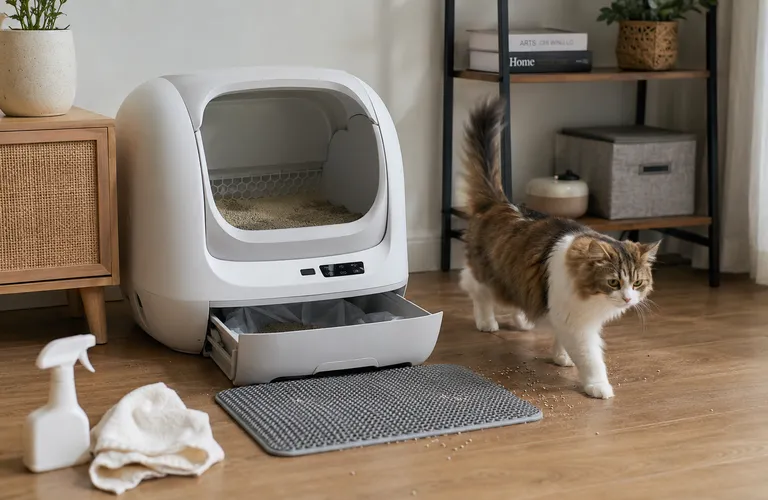
For a while, automatic litter boxes felt like the future of cat care. After 2020, self-cleaning litter boxes became one of the fastest-growing categories in the pet industry. Social media videos showing perfectly clean litter beds and app-controlled cleaning cycles made the products look almost effortless. For busy households, apartment owners, and multi-cat families, the appeal was obvious. And initially, many owners genuinely loved them.
But in 2026, the conversation around automatic litter boxes is starting to change. Across Reddit discussions, Amazon reviews, and long-term product testing, the same complaints appear repeatedly: difficult deep cleaning, odor buildup inside hidden compartments, unreliable sensors, app frustration, and maintenance that becomes far more complicated after several months of daily use.
The issue is no longer whether automatic litter boxes work. Most of them do, at least in the beginning. The real question consumers are asking now is much simpler: Does the convenience still feel worth it after six months of real daily use?
For pet brands, importers, and OEM manufacturers, this shift in consumer expectations matters far beyond product reviews. It is also influencing demand for easier-to-maintain smart pet products and more reliable odor-control cat litter solutions. Long-term usability, easier maintenance, safety reliability, and practical design are becoming increasingly important factors influencing repeat purchases, return rates, and brand reputation in the smart pet products market.
The First Few Weeks Usually Feel Great
One reason automatic litter boxes continue selling well is because the early ownership experience is often genuinely positive.
The machine cycles automatically. The litter looks cleaner. There is less visible waste sitting in the tray. Some owners even describe the first month as life-changing, especially in smaller apartments where odor builds up quickly.
In multi-cat households, the difference can feel even more dramatic. Instead of scooping several times per day, waste is automatically separated after each cycle. For people working long hours, the convenience is real.
But this honeymoon phase often hides problems that only appear over time.
Most owners do not notice the real maintenance burden until several months later, when litter dust, urine residue, and odor slowly begin collecting inside the structure.
That is usually when opinions start changing.
The Problem Nobody Talks About: Deep Cleaning
This is probably the single biggest disconnect between marketing and real-world ownership.
Automatic litter boxes are often advertised as “self-cleaning,” but experienced users eventually realize that scooping and cleaning are two very different things.
The machine removes waste from the litter bed. It does not actually clean the entire unit.
That distinction matters a lot.
Most automatic systems contain hidden surfaces where residue gradually builds up:
- underneath rotating drums
- around rubber seals
- near waste ports
- along sensor edges
- inside internal plastic joints
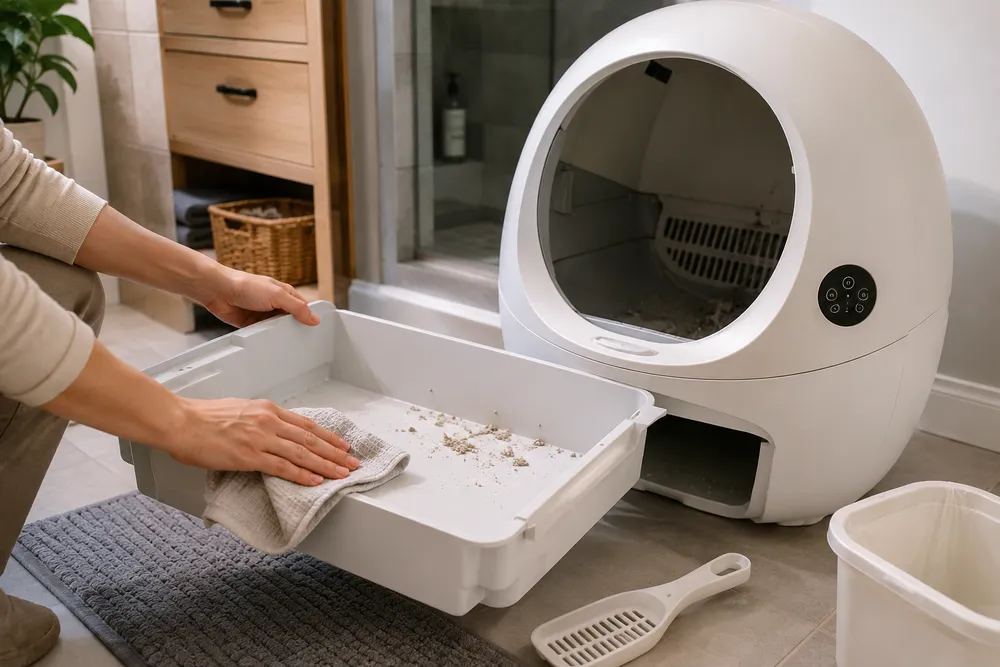
At first, this buildup is easy to ignore because the visible litter area still looks clean. But after a few months, many owners notice a sour smell that does not disappear even after emptying the waste drawer. The issue usually starts around the lower internal sections of the machine where urine residue mixes with litter dust. This is especially common in apartments.
Many automatic litter boxes are surprisingly large and heavy. Moving them into a bathroom or shower for proper cleaning is inconvenient, especially for people living alone or in smaller urban spaces.
Traditional litter trays are ugly but simple. Dump the litter, rinse the tray, dry it, refill it. Automatic systems are different. Once motors, sensors, and electronics are added, the structure becomes harder to maintain by default. That engineering tradeoff is something many consumers do not fully realize before purchasing.
Odor Control Is Still Far From Perfect
Odor control is another area where expectations and reality often clash.
Most premium litter boxes advertise sealed waste drawers, deodorizing systems, carbon filters, or odor-lock technology. And to be fair, many products do control odor reasonably well in the beginning.
But long-term performance is where the category still struggles.
The problem is not usually the waste drawer itself. It is the gradual accumulation of residue inside hidden sections of the machine. Once small amounts of urine reach internal surfaces repeatedly, bacteria starts building up in areas owners cannot easily wipe down during normal maintenance.
Material quality also matters more than most consumers realize.
Lower-grade plastics tend to absorb odor over time, especially in humid environments. This is also one reason many consumers are becoming more selective about low-dust and odor-control cat litter materials used with automatic systems. Some enclosed systems trap moisture internally, which makes the smell worse after several months of use.
This is one reason experienced cat owners often become skeptical of fully enclosed litter systems.
A cleaner-looking exterior does not always mean the inside of the machine stays hygienic long term.
Interestingly, a growing number of consumers are now prioritizing easier cleaning over advanced odor technology. Instead of asking whether the machine “eliminates smell,” they are asking:
“How difficult is this thing to clean after six months?”
That is a very different buying mindset compared to a few years ago.
More Technology Does Not Always Improve the Experience
A few years ago, app-connected litter boxes felt futuristic. Brands competed aggressively on features: WiFi monitoring, app notifications, usage tracking, remote cleaning cycles, health insights, multi-cat recognition. For a while, consumers loved it.
But now there is noticeable fatigue around overly complicated smart pet products. A lot of owners simply want the machine to work consistently without requiring constant troubleshooting. And unfortunately, connectivity issues remain common across the category.
Users regularly complain about:
- apps disconnecting
- firmware update failures
- delayed notifications
- unstable WiFi pairing
- inaccurate sensor readings
The frustrating part is that many of these features are not actually essential to the core litter box function. Nobody buys a litter box because they want another device to manage. They buy it because they want less daily work. That difference is becoming more important in consumer purchasing decisions.
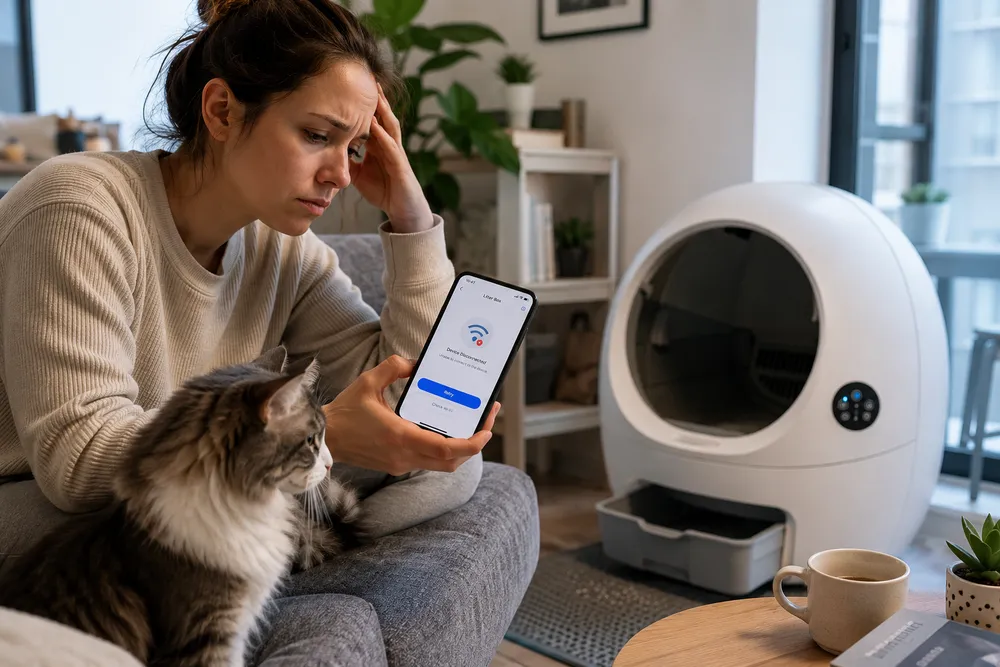
In fact, one of the bigger shifts happening in the pet industry right now is that reliability is slowly replacing “smartness” as the premium selling point. Consumers are becoming less impressed by technology for the sake of technology. Instead, many brands are now focusing on practical OEM product development centered around reliability, easier maintenance, and long-term usability. They want products that quietly do their job without creating new maintenance problems.
Safety Concerns Changed the Conversation Completely
The category also became more controversial after safety discussions started spreading online. Most modern automatic litter boxes include safety systems designed to stop movement when a cat enters the machine. Depending on the product, these systems may use weight sensors, infrared sensors, motion detection, or timing-based logic. And most of the time, they function properly.
But the problem is that pet owners have very low tolerance for mechanical risk when it involves animals. Even isolated incidents can seriously damage trust, especially once videos or discussions start circulating online. That emotional reaction changed consumer behavior much faster than many brands expected.
Now, when buyers research automatic litter boxes, they are not only looking for convenience anymore. They are also searching for:
- anti-pinch systems
- cat-safe sensors
- emergency stop protection
- reliable detection systems
This is particularly important for newer brands entering the market quickly with low-cost OEM products. Consumers are becoming far more skeptical of products that appear overly complicated or insufficiently tested. And honestly, that skepticism is understandable. The more mechanical movement a product has, the more consumers expect visible engineering reliability behind it.
Some Owners Quietly Go Back to Traditional Litter Boxes
One of the more interesting trends over the last year is how many experienced users quietly return to regular litter trays. Not because they suddenly dislike automatic systems, but because they eventually decide the tradeoff is not worth it for their specific situation. This happens more often than people think.
A single-cat household in a small apartment may not actually benefit enough from a large automated system to justify the maintenance complexity.
Traditional litter trays still offer several advantages:
- easy cleaning
- lower replacement cost
- no software problems
- fewer mechanical failures
- faster deep sanitation
That simplicity still matters.
At the same time, automatic systems absolutely work well for certain households, especially:
- multi-cat homes
- owners with mobility limitations
- people traveling frequently
- households with demanding work schedules
The category itself is not disappearing. But the market is becoming more realistic.
Consumers are starting to understand that automation solves some problems while introducing others. And that balance matters more now than flashy marketing.
The Industry Is Moving Toward Practical Design

A lot of pet brands spent the last few years competing on innovation. Bigger screens. More app features. More automation. More futuristic aesthetics. But in 2026, the market is starting to shift toward something much simpler: practical usability.
Consumers now ask different questions before buying:
- How difficult is this to clean?
- Will it still smell okay after six months?
- What happens if the app stops working?
- Is the structure easy to maintain?
- Can the sensors handle real daily use?
- How hard is it to deep clean in an apartment?
These are not exciting marketing questions, but they are the ones influencing long-term satisfaction. And increasingly, they are also influencing product reviews, return rates, and repeat purchases.
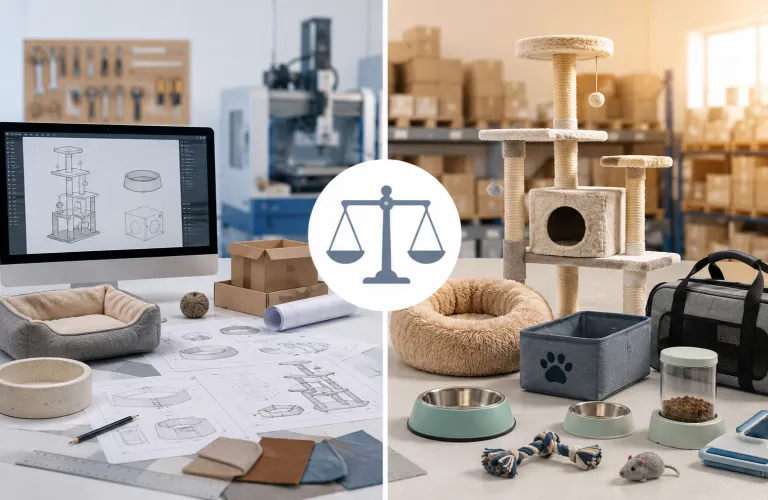
From a manufacturing perspective, this changes product development priorities significantly. More pet brands are now prioritizing removable structures, waterproof materials, and simplified cleaning systems during private label product development.
Instead of adding more complexity, many brands are now focusing on:
- removable internal structures
- smoother surfaces
- waterproof materials
- easier disassembly
- simplified mechanical systems
- lower maintenance design
Ironically, the future of automatic litter boxes may involve making them feel less complicated, not more advanced.
Why Consumer Feedback Matters More Than Ever
One major difference in today’s pet industry is transparency. Consumers openly document long-term ownership experiences online. Reddit threads, YouTube reviews, TikTok videos, and Amazon comments now shape buying decisions much more than polished advertisements. That feedback loop is forcing the industry to mature quickly.
Consumers no longer evaluate products based only on launch features. They evaluate them based on what ownership feels like after months of daily use.
That includes:
- cleaning difficulty
- odor buildup
- maintenance effort
- sensor reliability
- long-term durability
For manufacturers and brands willing to pay attention, this feedback is extremely valuable.
It reveals where engineering decisions fail in real homes instead of controlled testing environments.
And in categories like pet care where products interact with daily routines and living spaces those small frustrations matter more than many companies initially expected.
Conclusion
Automatic litter boxes are still one of the fastest-growing categories in the pet industry, and for good reason. The convenience is real, especially in busy households and multi-cat environments. But the conversation around the category has clearly changed.
Consumers are becoming more experienced, more skeptical, and much more focused on long-term usability instead of marketing promises.
The products that succeed over the next few years probably will not be the ones with the most features.
They will be the ones that solve practical everyday problems without creating new frustrations in the process.
And honestly, that is where the entire smart pet product market seems to be heading now, away from unnecessary complexity, and toward products that simply work well in real life.
FAQ
Are automatic litter boxes really worth it?
For many households, yes. Automatic litter boxes can significantly reduce daily scooping and improve convenience, especially in multi-cat homes or busy households. However, they still require regular maintenance and deep cleaning.
Why do automatic litter boxes start smelling over time?
Odor problems usually come from residue buildup inside hidden sections of the machine. Over time, urine residue, litter dust, and trapped moisture can create bacterial buildup that becomes difficult to remove completely.
How often should automatic litter boxes be deep cleaned?
Most long-term users recommend performing a full deep clean every few weeks, depending on the number of cats and the type of litter being used.
Are automatic litter boxes safe for cats?
Most modern systems include multiple safety features such as weight sensors and emergency stop functions. However, consumers increasingly prefer products with proven safety testing and reliable detection systems.
Why are some cat owners switching back to traditional litter trays?
Some owners eventually decide that the maintenance complexity, cleaning effort, and potential mechanical issues outweigh the convenience benefits, especially in smaller households.