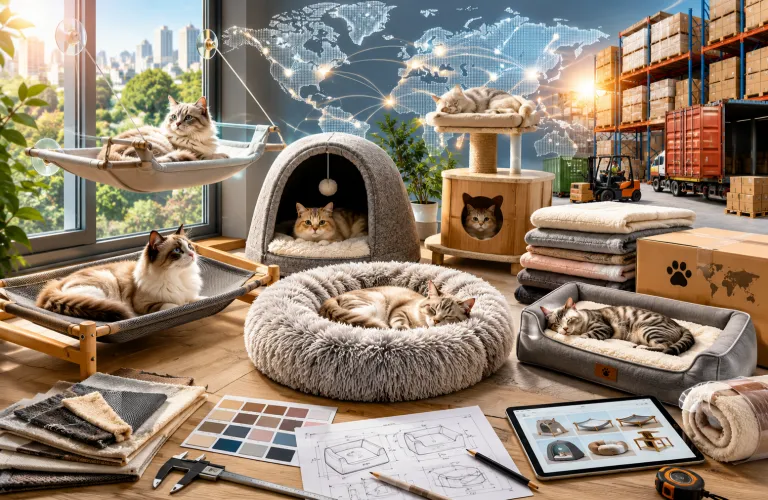








The global pet industry continues to grow, but the way companies compete inside the market has changed significantly over the past few years. In the past, many importers and distributors could grow simply by sourcing low-cost products and reselling them through marketplaces or retail channels. As long as pricing remained competitive, businesses could maintain stable margins and continue expanding product lines.
Today, that approach is becoming much more difficult. Competition across the pet industry is far more intense than before. Product duplication is common, online advertising costs continue rising, and many retailers are looking for more differentiated products instead of generic inventory. At the same time, consumers are becoming increasingly selective about product quality, packaging, branding, and functionality. This shift is one of the main reasons why demand for experienced private label pet product manufacturers continues growing rapidly across the global pet industry. More importers, wholesalers, ecommerce brands, and retail chains are moving away from purely transactional sourcing models and investing in long-term private label strategies that give them stronger pricing control and better market positioning.
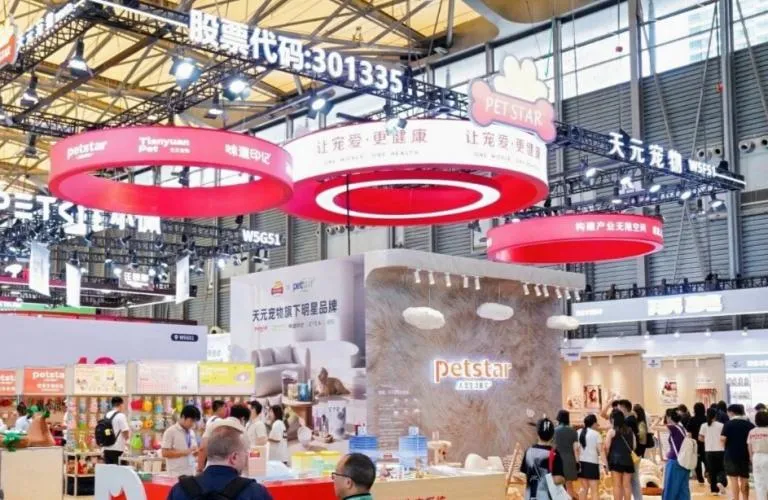
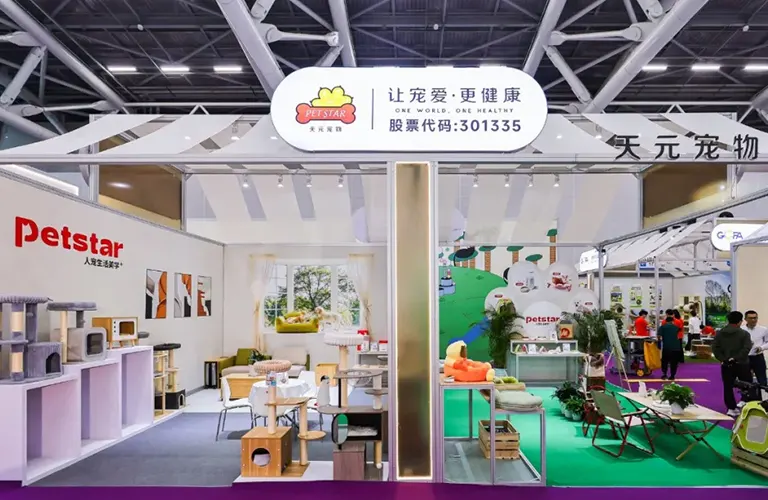
At Petstar, we have worked with buyers across North America, Europe, Southeast Asia, and Australia for many years. One pattern has become very clear: businesses relying entirely on generic products are facing growing pressure on margins, while companies building structured private label systems are creating stronger long-term stability.
The difference is not only branding.
The real advantage comes from controlling product positioning, packaging systems, manufacturing consistency, and supply chain structure. More retailers are expanding from generic inventory into customized private label pet supplies with stronger branding and packaging systems.
What Is a Private Label Pet Product?
A private label pet product is manufactured by a factory but sold under a buyer’s own brand name. Depending on the development model, buyers may customize packaging, product specifications, colors, materials, logos, or even create exclusive product structures.
Private label manufacturing is commonly divided into two categories:
- ODM manufacturing, which uses existing product designs with branding customization
- OEM manufacturing, which involves deeper product development and more exclusive structures
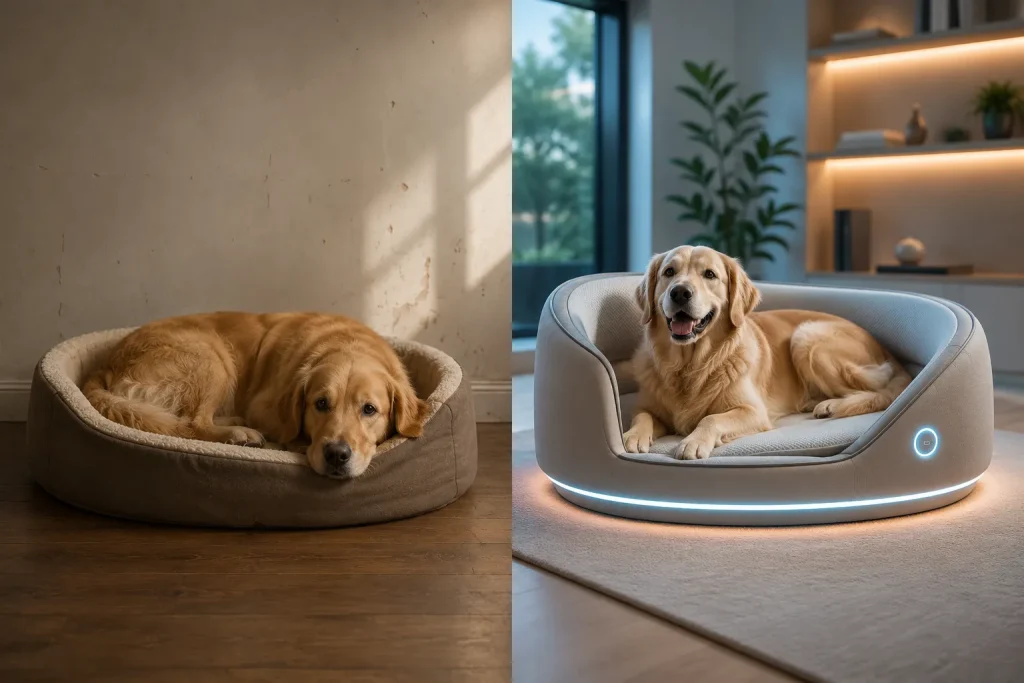
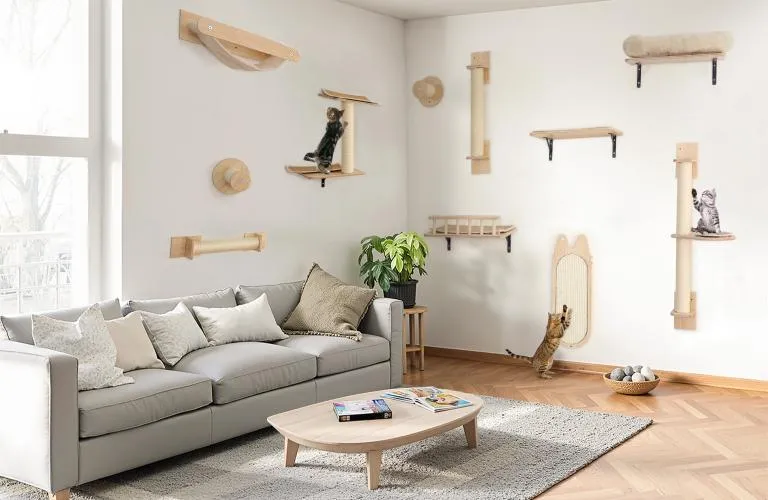
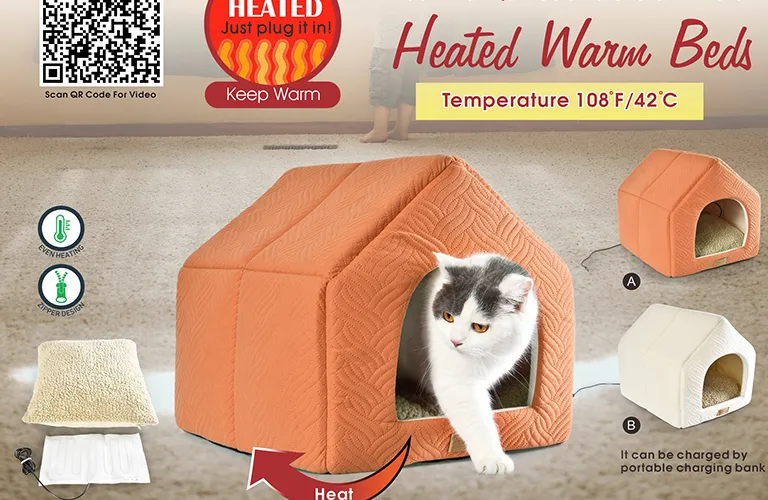
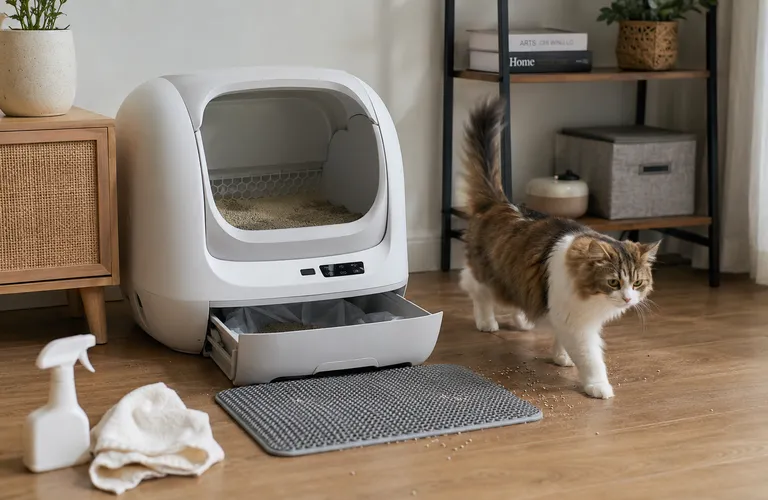
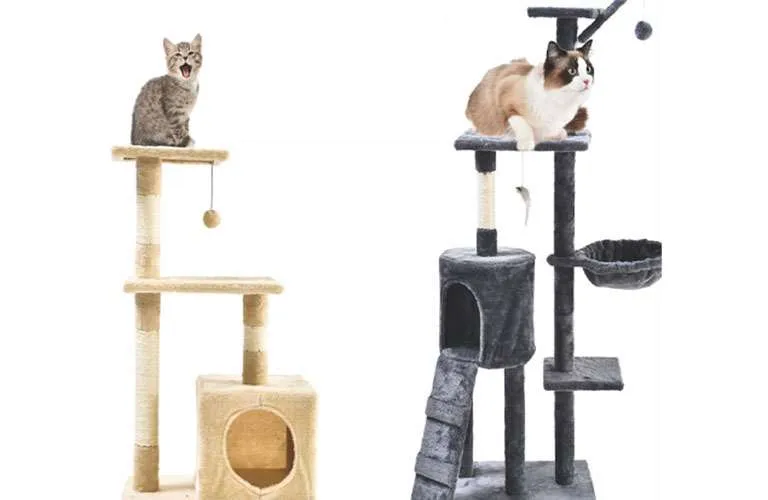
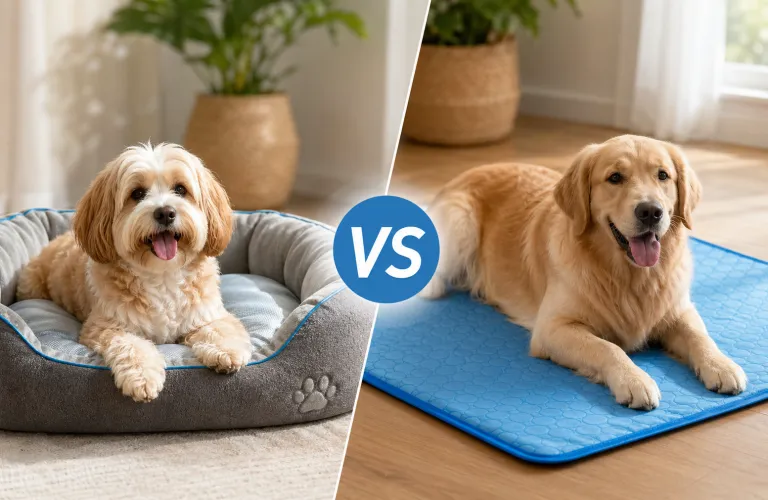
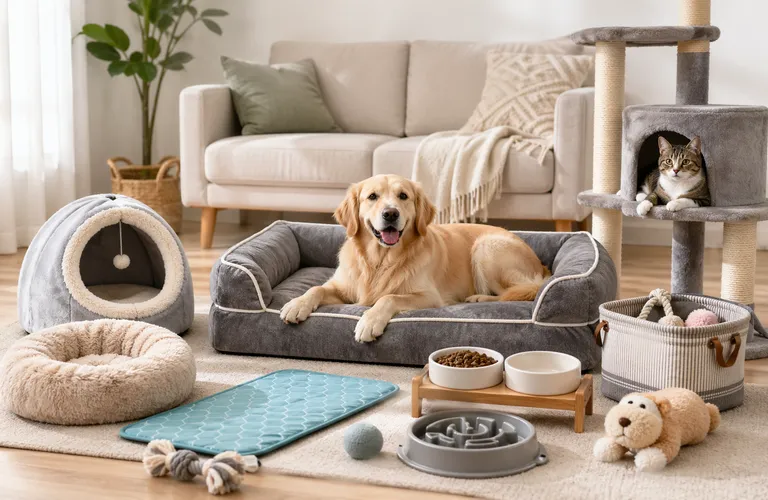
Today, private label strategies are widely used across categories such as cat litter, pet beds, pet furniture, smart pet products, toys, feeding accessories, and grooming supplies.
Why the Private Label Pet Product Market Keeps Growing
The growth of private label pet products is closely tied to larger structural changes happening across retail and ecommerce. According to the American Pet Products Association (APPA), annual pet industry spending in the United States has already exceeded $150 billion and continues to grow steadily. Global market projections also show the pet care industry moving toward a market size of more than $350 billion before 2030.
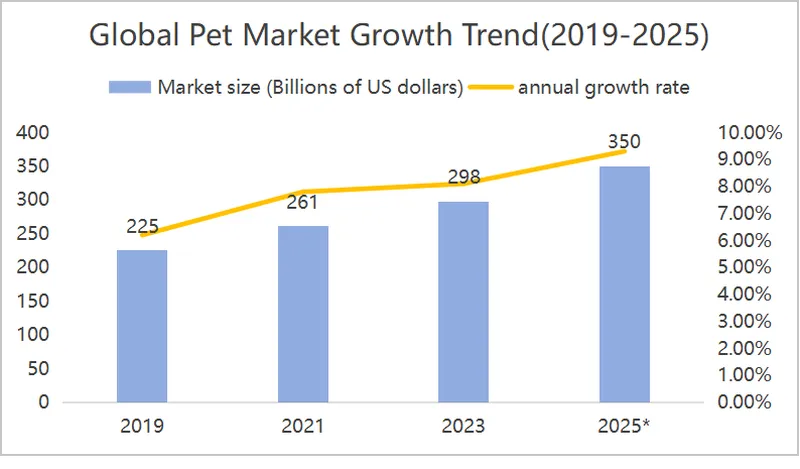
However, market growth alone does not guarantee profitability. In reality, many sellers are facing increasing pressure because generic products are becoming easier to replace. Across ecommerce platforms, consumers are often presented with dozens of nearly identical products competing almost entirely on price.
This situation creates several challenges:
- lower profit margins
- rising advertising costs
- reduced customer loyalty
- stronger marketplace competition
- weaker pricing power
As a result, many businesses are now focusing on private label development because it allows them to create more differentiated product systems that are not directly comparable to every competitor in the market.
Instead of selling the same products as everyone else, private label brands can build:
- customized packaging
- exclusive product variations
- stronger branding
- more stable pricing structures
- long-term customer recognition
Over time, these advantages become increasingly important as competition continues growing.
Why Generic Pet Products Are Becoming Harder to Scale
One of the biggest problems in today’s pet industry is product sameness. Many products sold across marketplaces and retail environments originate from nearly identical supply chains. Similar materials, packaging, product photography, and marketing claims have created heavy saturation in multiple categories.
This is especially common in:
- basic pet toys
- feeding bowls
- collars and leashes
- grooming accessories
- low-cost pet beds
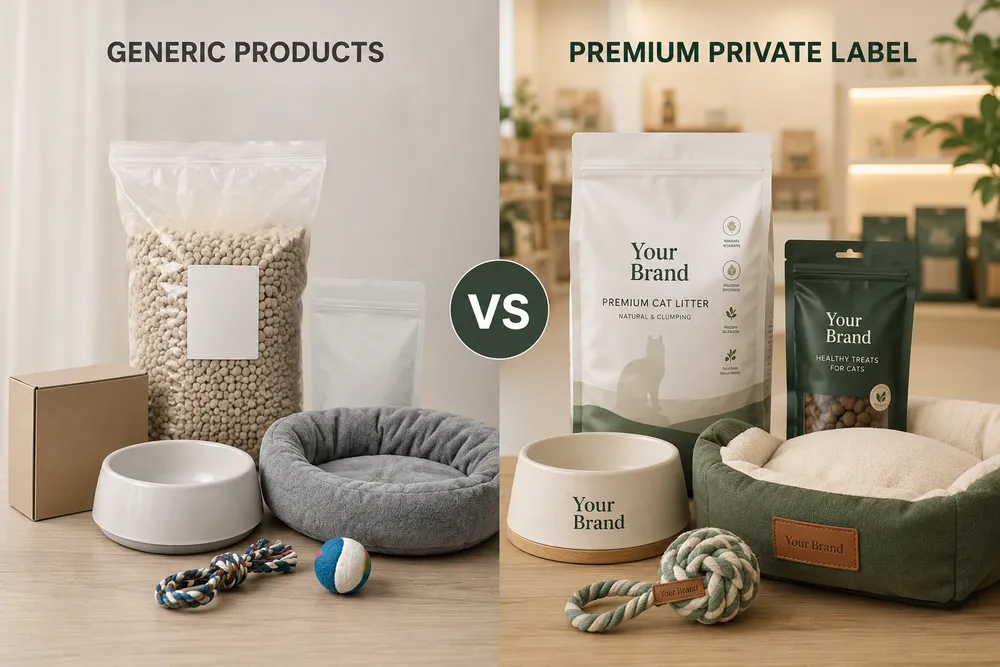
When products become interchangeable, businesses lose pricing control. Once pricing becomes the main competitive factor, margins begin shrinking rapidly. This is one of the key reasons why more B2B buyers are investing in private label pet product systems instead of depending entirely on generic sourcing.
Private label products allow businesses to create differentiation through branding, packaging, positioning, functionality, and long-term retail strategy. For many companies, this shift is no longer optional. It has become necessary for maintaining sustainable growth.
Profit Structure: Generic Products vs Private Label
One of the main reasons businesses move toward private label development is margin stability. The advantage of private label is not simply charging higher prices. More importantly, it allows businesses to reduce direct price competition while improving long-term customer retention.
|
Business Model |
Margin Stability |
Brand Control |
Long-Term Value |
|
Generic sourcing |
Weak |
None |
Low |
|
Traditional distribution |
Medium |
Limited |
Medium |
|
Private label pet products |
Strong |
Full |
High |
As customer acquisition costs continue increasing globally, businesses that rely only on low-margin marketplace sales often struggle to maintain profitability.
Private label systems help offset this problem by improving:
- repeat purchase rates
- brand recognition
- direct search traffic
- customer loyalty
- retail exclusivity
Over time, these advantages create stronger operational stability than purely transactional sourcing models.
Choosing the Right Private Label Pet Product Category
Not every category performs equally well in private label development. Some categories are highly saturated and difficult to differentiate, while others continue offering strong long-term growth opportunities.
The strongest private label categories usually share one or more of the following characteristics:
- repeat purchase behavior
- emotional purchasing decisions
- lifestyle integration
- functional differentiation
Below are several categories that continue performing well in private label development.
|
Category |
Repeat Purchase Potential |
Brand Loyalty Potential |
Long-Term Stability |
|
Very High |
High |
Very Strong |
|
|
Medium |
High |
Strong |
|
|
Medium |
Very High |
Strong |
|
|
Medium |
High |
Strong |
|
|
Feeding accessories |
Medium |
Medium |
Stable |
Cat litter performs particularly well because it creates recurring purchasing cycles. Pet beds and furniture often connect emotionally with pet owners, while smart pet products solve convenience-related lifestyle problems.
These categories are generally more suitable for long-term brand building than purely price-driven products.
Understanding Consumer Psychology in the Pet Industry
Consumer behavior in the pet industry has become increasingly emotional. Most pet owners do not purchase products based only on technical specifications. They buy products based on comfort, trust, convenience, and emotional attachment to their pets.
For example:
- A pet bed represents comfort and care
- A smart feeder represents convenience and reduced stress
- Cat litter is connected to cleanliness, odor control, and home environment
This emotional layer is one of the main reasons branding plays such an important role in private label growth.
Businesses that understand emotional purchasing behavior are usually able to build stronger long-term customer loyalty.
OEM vs ODM: Which Manufacturing Model Is Better?
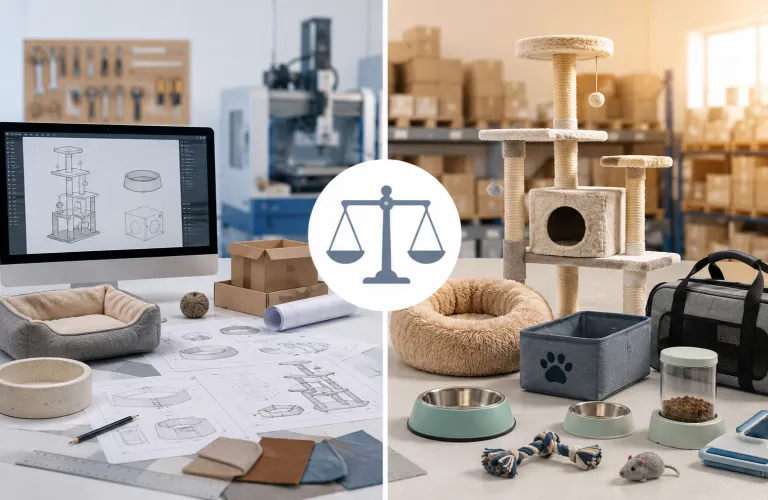
One of the most important decisions in private label development is choosing between OEM and ODM manufacturing. ODM manufacturing usually allows buyers to launch products faster because it uses existing product structures with customized branding and packaging. OEM manufacturing involves deeper customization and greater exclusivity, but it also requires higher investment and longer development timelines.
|
Factor |
ODM Manufacturing |
OEM Manufacturing |
|
Development speed |
Faster |
Slower |
|
Initial investment |
Lower |
Higher |
|
Product exclusivity |
Medium |
High |
|
Risk level |
Lower |
Higher |
|
Best for |
New brands |
Mature brands |
Many successful brands begin with ODM pet products to validate market demand. Once the business grows, they gradually move into OEM development with more exclusive product structures and packaging systems. ODM pet products are often suitable for newer brands looking for faster product launches and lower development costs. This staged approach helps reduce risk while supporting long-term differentiation.
Manufacturing Stability Is More Important Than Innovation
Many first-time buyers focus heavily on creating unique products. In reality, long-term success is usually driven more by consistency than radical innovation.
Consumers expect:
- stable quality
- consistent sizing
- reliable materials
- durable packaging
- predictable performance
A good sample means very little if production quality cannot remain stable during larger orders.
Manufacturing inconsistency can quickly lead to:
- retailer complaints
- higher return rates
- negative marketplace reviews
- supply chain disruption
This is why choosing an experienced manufacturing partner is critical for sustainable growth.
Working with an experienced pet supplies manufacturer can significantly reduce quality risks during mass production.
At Petstar, many long-term customers initially work with us for manufacturing support, but over time the cooperation often expands into packaging optimization, logistics planning, and category development.
Packaging and Logistics Are Now Major Profit Factors
Packaging has become one of the most underestimated parts of private label pet product development.
For large-volume products such as custom pet beds, cat litter, and pet furniture, packaging directly affects:
- shipping cost
- container utilization
- warehouse efficiency
- damage rates
- ecommerce presentation
Even relatively small packaging adjustments can create significant cost savings over time.
|
Packaging Optimization |
Operational Benefit |
|
Vacuum compression |
Reduced shipping volume |
|
Foldable structure |
Improved container efficiency |
|
Reinforced cartons |
Lower damage rates |
|
Retail-ready packaging |
Better shelf presentation |
For many B2B buyers, logistics optimization becomes just as important as product pricing itself.
Why Retailers Are Investing More in Private Label
Retailers are increasingly prioritizing private label strategies because they offer stronger control over profitability and customer retention.
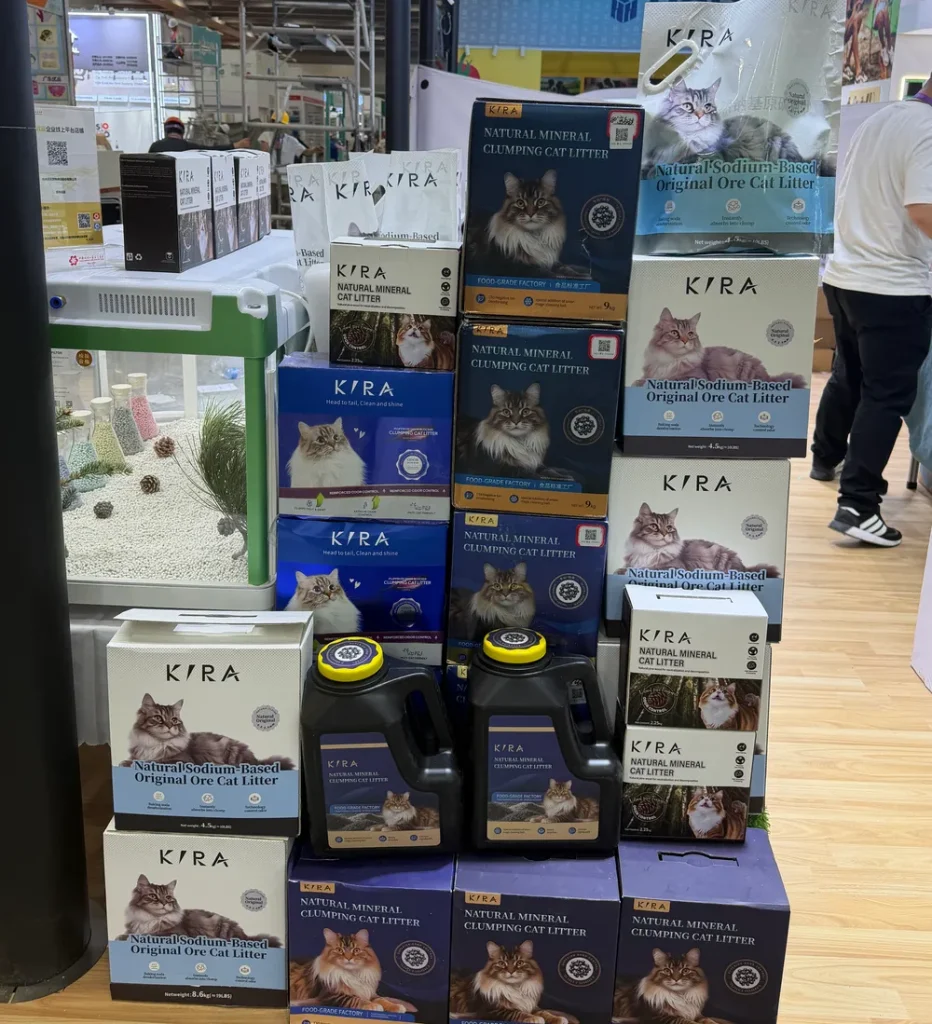
Private label products allow retailers to:
- improve margin structure
- reduce direct price competition
- create exclusive product lines
- strengthen customer loyalty
- build long-term brand value
This is why many supermarket chains, pet store groups, and ecommerce sellers are expanding private label programs instead of relying only on traditional branded suppliers.
Building a Scalable Private Label Pet Product Business
Successful private label businesses are rarely built around a single product.
Instead, they are built around systems that combine:
- product positioning
- manufacturing consistency
- packaging optimization
- category expansion
- supply chain stability
- long-term branding
The companies achieving sustainable growth today are usually not the ones with the absolute lowest costs. They are the ones building reliable systems that can continue scaling over time.

At Petstar, we increasingly see buyers treating private label development not as a short-term sourcing project, but as long-term business infrastructure. Because in today’s pet industry, products are easy to copy. Stable systems are not.
Choosing an experienced pet product manufacturer is critical for maintaining long-term production consistency and supply chain stability.
FAQ
What are private label pet products?
Private label pet products are manufactured by a factory but sold under a buyer’s own brand name. These products often include customized packaging, logos, and exclusive product features based on OEM or ODM manufacturing models.
What is the difference between OEM and ODM pet products?
ODM pet products use existing factory designs with branding customization, while OEM pet products involve deeper product development and more exclusive product structures for stronger market differentiation.
Which pet product categories are best for private label development?
Cat litter, pet beds, smart pet products, pet furniture, and feeding accessories are among the most popular private label categories because they offer stable demand, repeat purchases, and stronger brand loyalty potential.
Why are more businesses investing in private label pet supplies?
Private label pet supplies help businesses improve pricing control, reduce direct competition, strengthen customer retention, and build long-term brand value compared with generic resale products.
How do I choose a reliable pet product manufacturer?
A reliable pet product manufacturer should provide stable product quality, customization support, strong supply chain management, quality control systems, and long-term manufacturing consistency for scalable business growth.