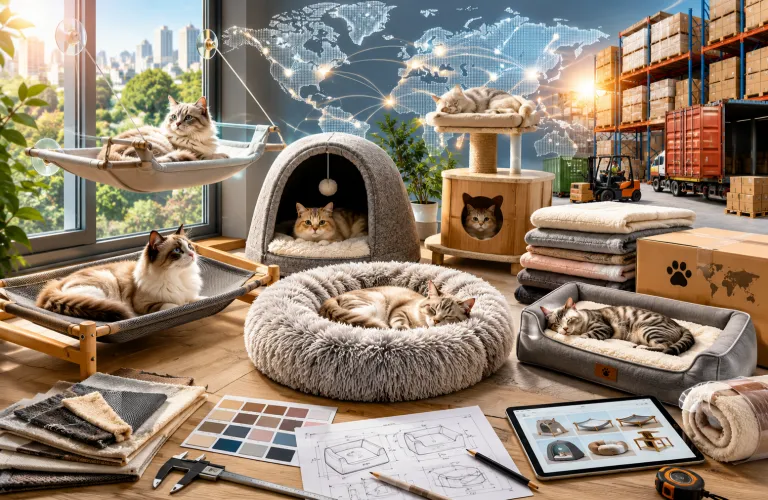


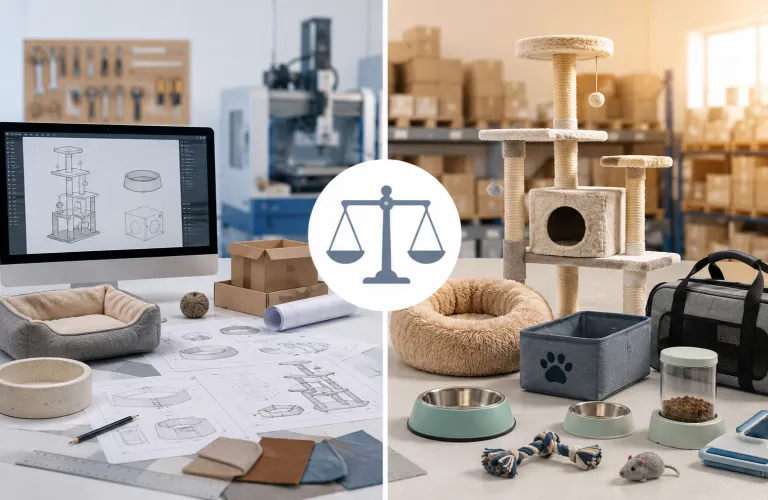
Launching a pet product is easier today than ever before. Manufacturers around the world offer thousands of ready-made products, private label programs, and custom development services that allow brands to enter the market quickly. However, one of the first decisions every buyer must make is choosing the right manufacturing model.
Should you invest in a fully customized OEM product? Or would an ODM solution help you reach the market faster and with lower risk? The answer depends on your business goals, budget, timeline, and growth strategy. For importers, distributors, retailers, Amazon sellers, and established pet brands, understanding the differences between OEM and ODM manufacturing can prevent costly mistakes and help build a more competitive product portfolio.
In this guide, we’ll explain how OEM and ODM manufacturing work in the pet industry, compare their advantages and limitations, and help you determine which option best fits your project.
Quick Answer: OEM vs ODM Pet Products
If you’re short on time, here’s the simple answer:
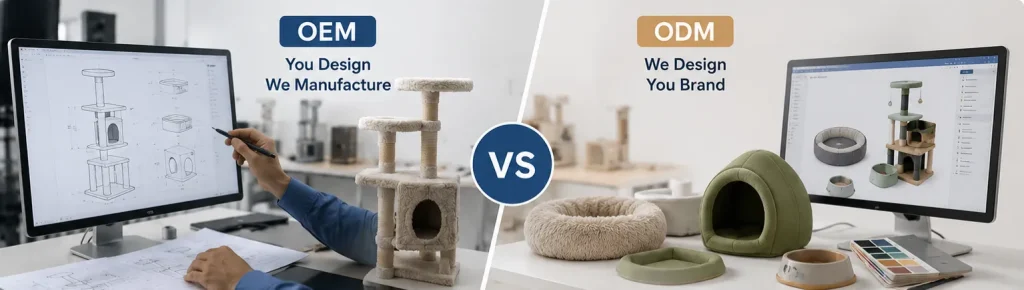
- OEM (Original Equipment Manufacturing) means the product is developed according to your specifications. You control the design, materials, functionality, and branding.
- ODM (Original Design Manufacturing) means the manufacturer has already developed the product. You customize branding, packaging, and selected features while using the supplier’s existing design.
In general:
- Choose OEM if you want exclusive products and long-term brand differentiation.
- Choose ODM if you want faster market entry and lower development costs.
The best option depends on where your business is today and where you want it to be in the future.
Why Manufacturing Models Matter in the Pet Industry
The global pet market has become increasingly competitive. Consumers have more choices than ever, and successful brands must balance product innovation, pricing, quality, and speed to market.
A manufacturing strategy affects:
- Product uniqueness
- Development costs
- Inventory planning
- Launch timelines
- Brand positioning
- Long-term profitability
Many new businesses focus only on product cost when selecting a supplier. In reality, the manufacturing model often has a much greater impact on overall success.
A cheaper product that looks identical to hundreds of competing products may struggle in the market. Likewise, investing heavily in a custom product before validating demand can create unnecessary financial risk.
Choosing the right manufacturing approach helps align product development with business objectives.
What Is OEM Manufacturing?
OEM stands for Original Equipment Manufacturing. In an OEM project, the buyer provides the concept, specifications, performance requirements, drawings, or product design, while the factory handles engineering support, sample development, sourcing, testing, and production.
The final product is manufactured specifically for that customer.
OEM manufacturing is commonly used when brands want to create products that are not available elsewhere in the market.
Common OEM Pet Products
Examples include:
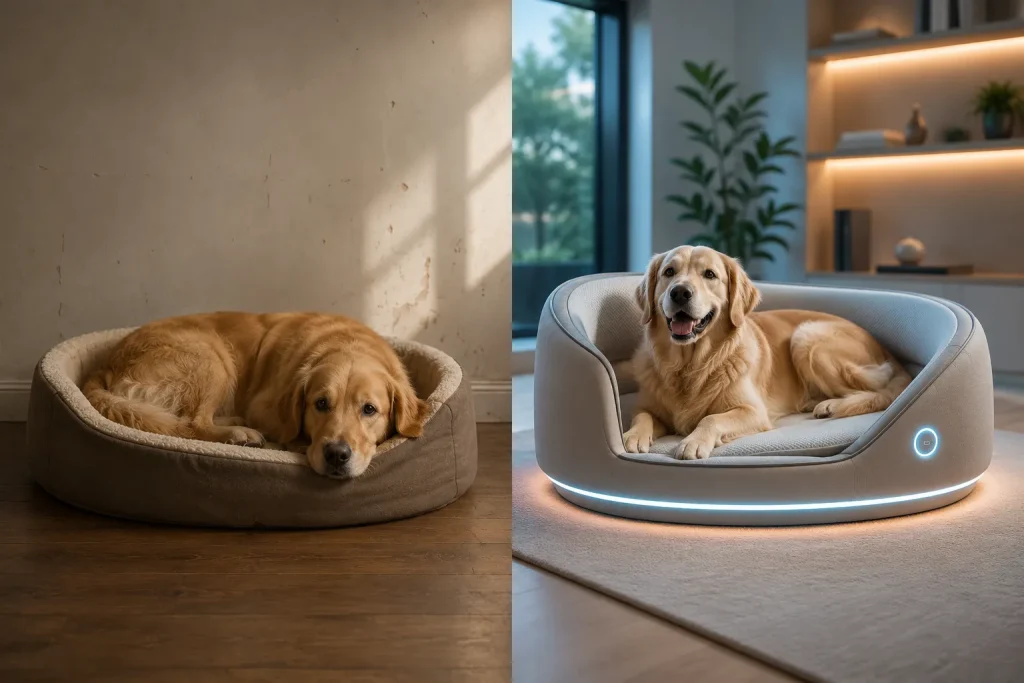
- Orthopedic dog beds
- Designer pet furniture
- Smart pet feeders
- Custom pet carriers
- Specialty pet toys
- Proprietary cat litter formulas
- Premium cat trees
- Veterinary-focused pet products
Advantages of OEM Manufacturing
Complete Product Customization
OEM allows buyers to customize nearly every aspect of a product, including:
- Materials
- Dimensions
- Product structure
- Features
- Colors
- Packaging
- Branding
This level of flexibility enables businesses to create products tailored to specific customer needs.
Stronger Brand Differentiation
In crowded markets, unique products can help reduce direct price competition.
Brands with exclusive products often have more control over pricing and customer loyalty.
Greater Intellectual Property Protection
Custom designs and proprietary product features can create long-term competitive advantages that are difficult for competitors to replicate.
Better Long-term Brand Value
Many of today’s leading pet brands built their reputations on products that were specifically developed for their target customers.
Challenges of OEM Manufacturing
OEM projects typically involve:
- Longer development timelines
- Multiple sample revisions
- Higher upfront costs
- Material sourcing requirements
- Product testing and validation
For these reasons, OEM manufacturing is often best suited for established businesses or brands with a clear market strategy.
What Is ODM Manufacturing?
ODM stands for Original Design Manufacturing.
Under this model, the manufacturer develops the product before offering it to customers.
Rather than creating a product from scratch, buyers select an existing design and customize branding, packaging, colors, or selected product features.
ODM is widely used throughout the pet industry because it reduces development costs and shortens launch timelines.
Common ODM Pet Products
Examples include:
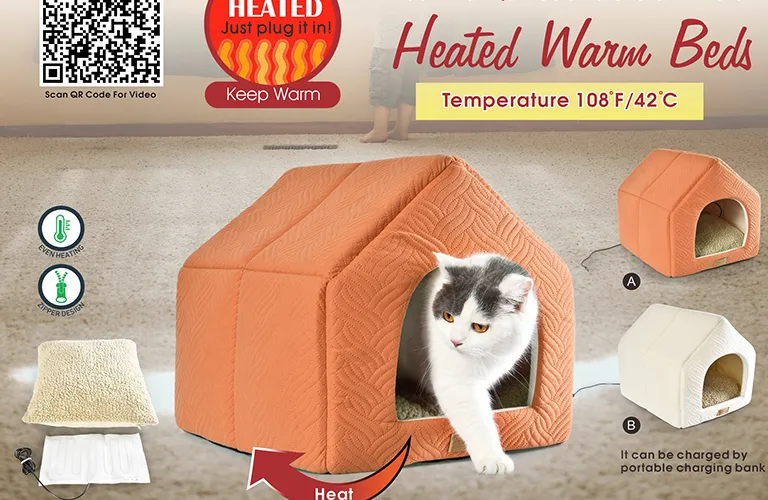
- Pet beds
- Cat trees
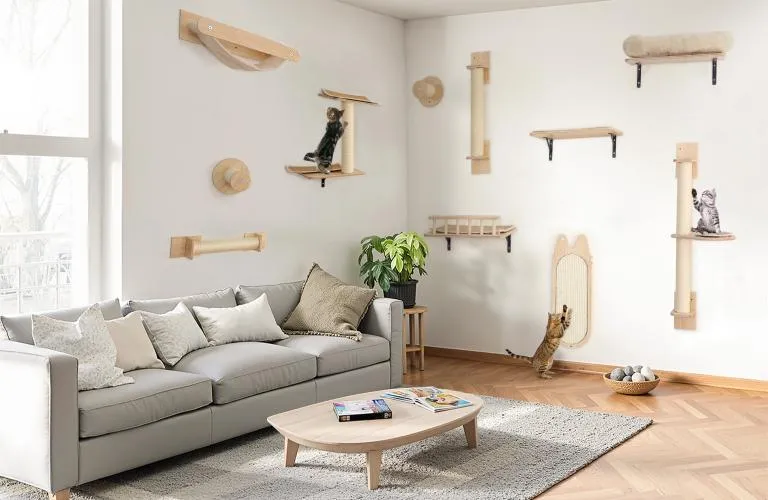
- Cat scratchers
- Pet bowls
- Pet carriers
- Travel accessories
- Grooming products
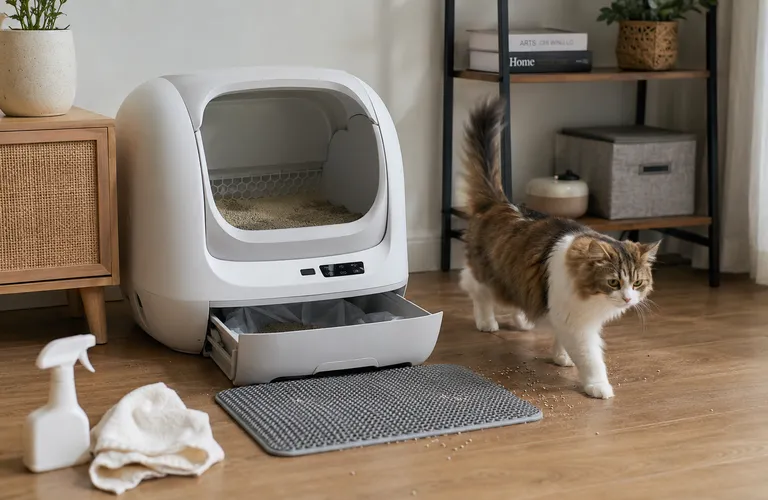
- Cat litter products
Advantages of ODM Manufacturing
Faster Time to Market
Because product development has already been completed, ODM products can often move directly into sampling and production.
Lower Investment Requirements
Buyers avoid many of the development costs associated with OEM projects.
Proven Product Designs
ODM products often have established production histories, reducing technical risks.
Easier Product Expansion
Businesses can quickly add new products to their catalog without lengthy development cycles.
Challenges of ODM Manufacturing
The biggest limitation is exclusivity.
Since the original design belongs to the manufacturer, similar products may be available to multiple brands.
Customization options are also more limited than with OEM projects.
OEM, ODM, and Private Label: Understanding the Differences
Many sourcing discussions include a third term: private label.
While related to OEM and ODM, private label manufacturing represents a slightly different approach.
|
Manufacturing Model |
Product Design Ownership |
Customization Level |
Development Cost |
Time to Market |
|---|---|---|---|---|
|
OEM |
Buyer |
High |
High |
Medium |
|
ODM |
Factory |
Medium |
Low |
Fast |
|
Private Label |
Factory |
Low |
Lowest |
Fastest |
Private label products are generally existing products with customized branding and packaging.
For businesses focused on speed and simplicity, private label solutions can provide a practical entry point into the market.
Real Examples of OEM and ODM Pet Products
Understanding real-world applications helps clarify how these manufacturing models work.
Example 1: OEM Orthopedic Dog Bed
A pet brand wants to launch a premium dog bed targeting senior dogs.
The product requires:
- Memory foam support
- Waterproof liner
- Machine-washable cover
- Custom fabric design
- Brand-specific packaging
Because the product is developed according to the customer’s requirements, this is an OEM project.
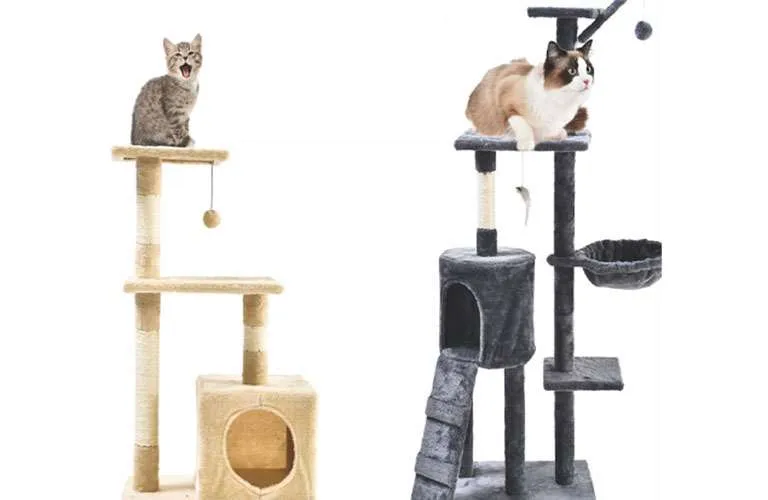
Example 2: ODM Cat Tree Collection
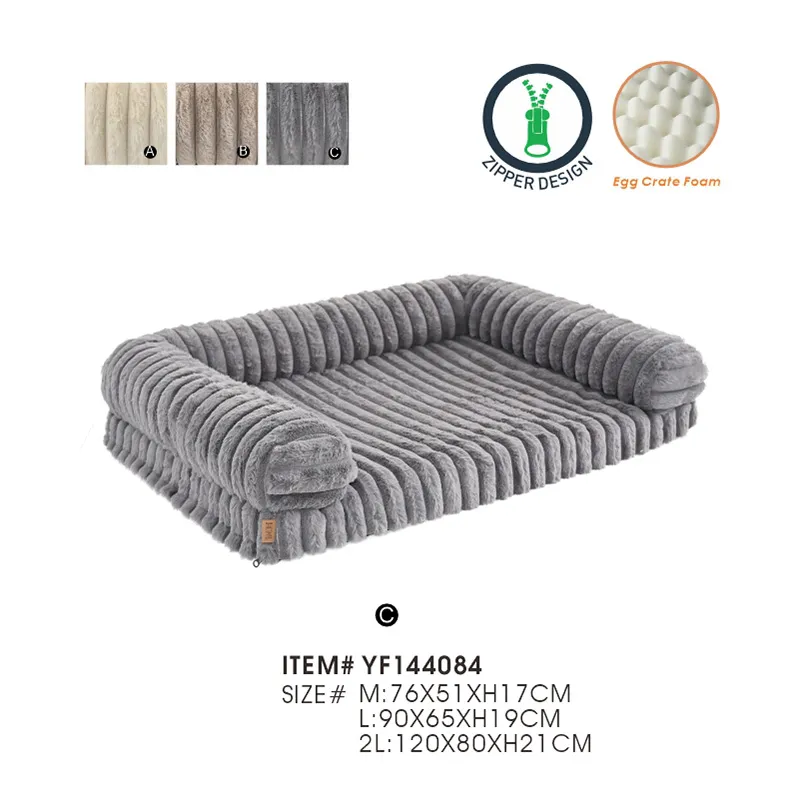
A distributor wants to expand its cat furniture category before the holiday season.
Instead of developing a new design, the distributor selects existing cat tree models and customizes:
- Packaging
- Logo labels
- Product colors
This approach significantly reduces development time and investmen
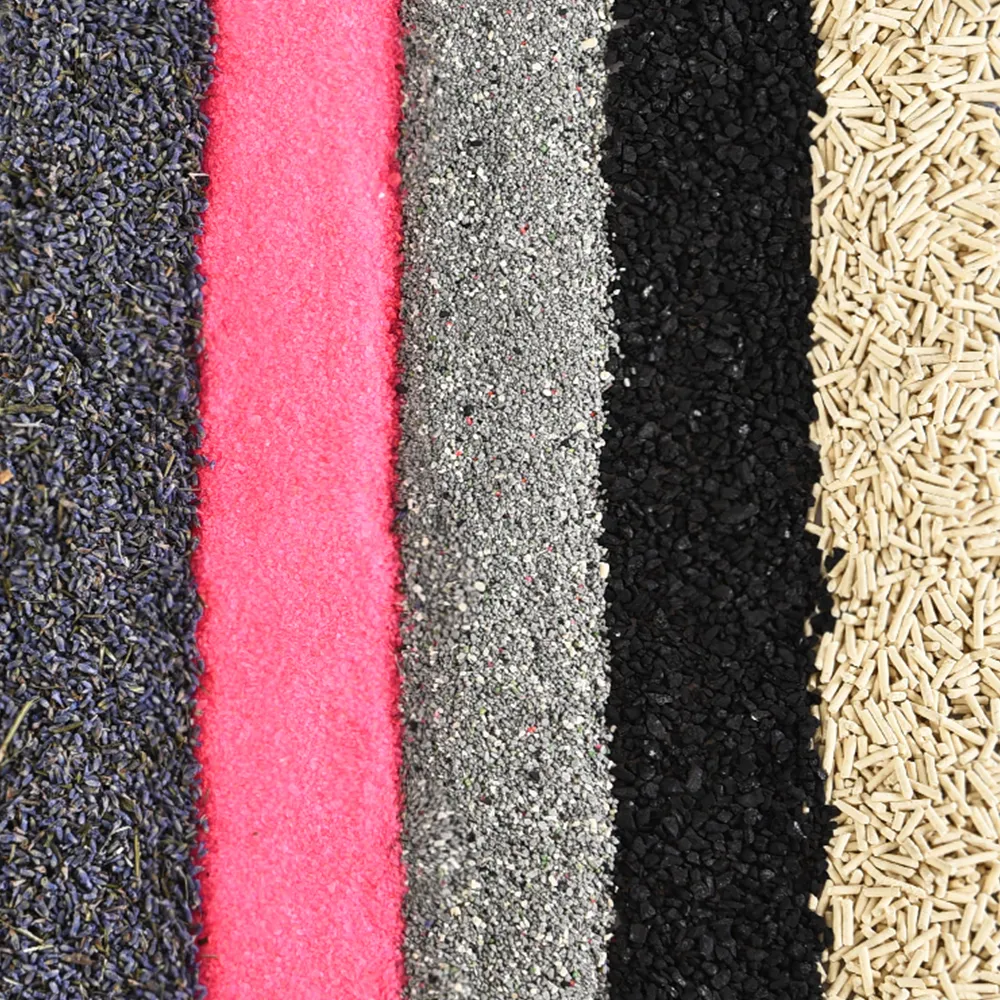
Example 3: OEM Mixed Cat Litter Formula
A retailer wants to launch an exclusive cat litter product.
The requested formula includes:
- Tofu cat litter
- Bentonite cat litter
- Low-dust performance
- Natural fragrance
- Private packaging
The formula is developed specifically for that customer, making it an OEM project.
OEM vs ODM: Cost Comparison
Cost is one of the most important considerations when evaluating manufacturing options.
However, buyers should look beyond unit price and evaluate the total investment required.
|
Cost Factor |
OEM |
ODM |
|
Product Development |
Higher |
Lower |
|
Engineering Support |
Higher |
Lower |
|
Sampling Costs |
Higher |
Lower |
|
Tooling Costs |
Possible |
Usually None |
|
Packaging Development |
Custom |
Semi-Custom |
|
Time Investment |
Longer |
Shorter |
Although OEM generally requires greater upfront investment, it may create stronger long-term value through product exclusivity and brand differentiation.
OEM vs ODM: Timeline Comparison
Speed to market can be critical, especially when responding to seasonal demand or emerging product trends.
|
Stage |
OEM |
ODM |
|
Product Concept |
1–2 Weeks |
Existing |
|
Product Design |
2–8 Weeks |
Existing |
|
Sampling |
1–3 Weeks |
3–7 Days |
|
Production Setup |
1–2 Weeks |
Existing |
|
Mass Production |
30–60 Days |
20–45 Days |
For businesses seeking rapid market entry, ODM often provides a significant advantage.
OEM vs ODM: Which Is Better for Different Buyers?
For Established Pet Brands
OEM is often the preferred choice.
Established brands usually have:
- Existing customer bases
- Defined brand identities
- Long-term product strategies
Custom products help strengthen competitive advantages and support premium pricing.
For Importers and Distributors
Many distributors benefit from combining OEM and ODM solutions.
ODM products can quickly fill product line gaps, while OEM products create differentiation in key categories.
For Amazon Sellers
ODM is often a practical starting point.
Lower development costs and faster launch timelines make it easier to test new product opportunities.
For Startups
New businesses frequently benefit from launching ODM products first and transitioning into OEM development once demand is validated.
Common Mistakes Buyers Make When Choosing OEM or ODM
Choosing OEM Too Early
Many startups invest heavily in customization before proving market demand.
Testing the market with ODM products can reduce risk.
Focusing Only on Price
Low-cost products are not always the most profitable.
Quality, branding, customer satisfaction, and repeat purchases often have a greater impact on long-term success.
Ignoring Compliance Requirements
Different markets may require compliance with standards such as:
- REACH
- EN71
- ASTM
- CE
- FCC
Failure to verify compliance can delay product launches and increase costs.
Overlooking Manufacturing Capabilities
Not every supplier has the resources to support OEM development effectively.
Evaluating production capacity, quality systems, and development experience is essential.
How to Evaluate an OEM or ODM Pet Product Manufacturer
Selecting the right supplier is just as important as selecting the right manufacturing model.
When evaluating manufacturers, consider the following factors.
Manufacturing Experience
Experience often translates into better quality control, stronger supply chains, and more efficient production processes.
Product Development Capabilities
For OEM projects, development support is crucial.
A capable manufacturer should assist with:
- Product optimization
- Material selection
- Sampling
- Packaging design
Quality Control Systems
Reliable suppliers implement inspections throughout production, including:
- Incoming material inspection
- In-process quality control
- Final product inspection
Production Capacity
Manufacturing scale influences lead times, inventory planning, and supply stability.
Export Experience
Manufacturers serving international markets typically have a better understanding of certification requirements, logistics processes, and customer expectations.
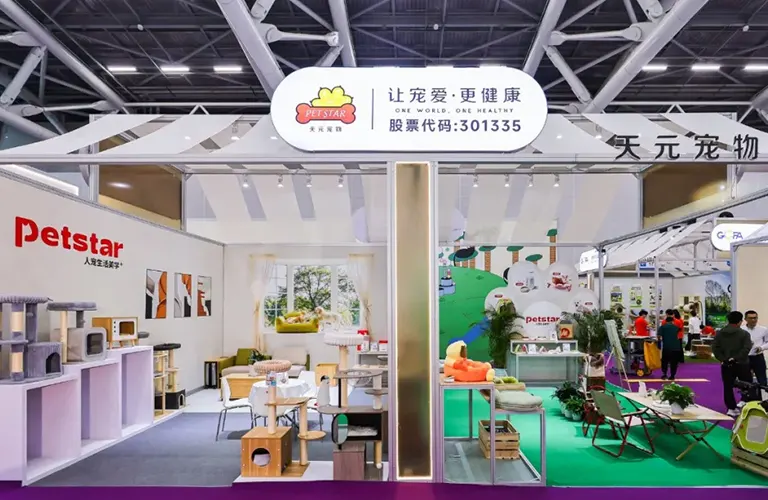
Why Many Global Buyers Work with Petstar
For buyers seeking a manufacturing partner that supports both OEM and ODM projects, experience and production capability matter.
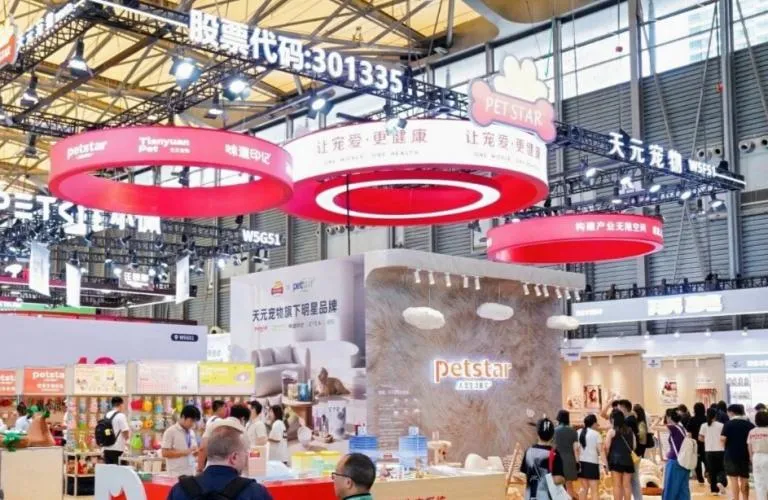
With more than 29 years of manufacturing experience, Petstar supports customers across multiple pet product categories.
The company operates 9 specialized manufacturing facilities with a combined production area exceeding 300,000 square meters and a workforce of more than 1,700 employees.
Its product portfolio includes over 8,000 pet products covering:
- Pet beds
- Cat trees
- Cat scratchers
- Pet toys
- Pet carriers
- Pet electronics
- Cat litter
- Feeding accessories
For OEM projects, Petstar provides support in product development, packaging customization, material sourcing, and quality assurance.
For ODM and private label projects, customers can select from a broad range of proven products designed for international markets.
This flexibility allows businesses at different stages of growth to choose the manufacturing model that best aligns with their objectives.
Conclusion
There is no single manufacturing model that fits every business.
OEM manufacturing provides greater customization, stronger brand differentiation, and long-term competitive advantages. ODM manufacturing offers faster product launches, lower investment requirements, and reduced development risks.
The right choice depends on your business stage, budget, timeline, and growth objectives.
Many successful pet brands use both models throughout their development journey-leveraging ODM products for speed and market validation while investing in OEM products to build long-term brand value.
By understanding the strengths and limitations of each approach and partnering with an experienced manufacturer, buyers can make more informed sourcing decisions and build product lines that support sustainable growth.
FAQ About OEM vs ODM for Pet Products
Is OEM more expensive than ODM?
In most cases, yes. OEM projects involve additional development, engineering, and customization costs.
Can ODM products be customized?
Yes. Branding, packaging, colors, and selected product features can often be modified.
Which model is better for startups?
ODM is usually the lower-risk option for startups because it requires less investment and offers faster market entry.
Can I switch from ODM to OEM later?
Absolutely. Many successful brands begin with ODM products and transition to OEM development as they grow.
What is the biggest advantage of OEM manufacturing?
Product exclusivity and long-term brand differentiation.
What is the biggest advantage of ODM manufacturing?
Reduced development costs and faster time to market.