










Introduction
Cats are cherished companions in many people’s lives, known for their cuteness and independence, often becoming integral members of families. However, dealing with cats urinating outside the litter box is a common and frustrating issue for many cat owners. Discovering urine stains on carpets, furniture, or other inappropriate places in the home not only poses a hygiene problem but also may indicate underlying health or behavioral issues in cats.
The complexity of the issue of cats urinating outside the litter box cannot be underestimated, involving both physiological and psychological factors. Physiologically, diseases, urinary tract infections, and other health issues may lead cats to choose inappropriate locations for urination. Additionally, psychological factors such as stress, anxiety, and territorial instincts can also contribute to cats urinating outside the litter box.
As a pet product manufacturer with over 20 years of experience in the pet industry, at PetStar, we delve into the reasons behind cats urinating outside the litter box in this article, exploring physiological, psychological, and other aspects, as well as methods to address this issue. By understanding the factors behind feline behavior, we can better assist cats in overcoming this challenge and maintaining harmony within the household.
Physiological Reasons
Kidney Infection: The kidneys play a crucial role in regulating the body’s fluid balance. If a cat’s urine contains blood or if urination is difficult, manifesting as dribbles rather than a steady stream, it could indicate kidney issues.
Urinary Tract Stones: Prolonged presence of urinary tract stones may lead to loss of appetite and vomiting.
Urinary Blockage: This condition commonly affects neutered male cats. The male cat’s urethra is more convoluted compared to that of females, making them more susceptible to urinary issues. Urinary tract infections can cause pain, leading cats to vocalize distress or refuse to use the litter box, signaling their discomfort. If a cat frequently attempts to urinate and displays signs of pain, urinary blockage or urinary stones should be considered.
Cystitis: Cystitis often presents alongside other symptoms. Trauma or difficulty urinating can both lead to cystitis. Prolonged bladder distension can cause irreversible damage to the bladder’s nerve and muscle tissues, leading to continuous expansion of the bladder.
Neurogenic Incontinence: Disruption of any nerve controlling the bladder or conditions such as intervertebral disc protrusion, spinal injury, etc., can elevate bladder pressure, leading to reflexive urination.
Ectopic Ureter: This condition is more common in female kittens and results from abnormal development leading to an ectopic ureter.
Understanding the physiological factors that contribute to cats urinating outside the litter box is crucial for addressing and resolving this issue effectively. By recognizing the underlying health concerns, cat owners can take appropriate measures to ensure the well-being of their feline companions and maintain harmony within the household.

Psychological Reasons
If a cat’s physical health is intact but they still urinate outside the litter box at home, it may be due to psychological reasons. Cats with introverted or timid personalities are more prone to behavioral disturbances when frightened, such as territorial marking, elimination disorders, vocalization, aggression cues, loss of appetite, and irritability.
【Cat-Specific Factors】
Changes in a cat’s daily essentials—such as replacing the litter box, cat food, or changes in the taste of drinking water—can induce stress in cats.
Heat cycle—changes in hormone levels during the heat cycle can alter a cat’s personality and behavior significantly.
Deficiency in certain trace elements in the body.
【Environmental Factors】
Excessively cold or hot temperatures.
Noisy surroundings.
【Living Environment】
Moving house—cats may feel insecure and unsettled in a new environment.
Separation from mother or littermates during kittenhood—can lead to feelings of loneliness and sadness.
Changes in household members—introduction of new pets, infants, etc., may lead to cats feeling neglected by their owners or experiencing emotional shifts when familiar individuals are absent.
Understanding the psychological triggers that may prompt cats to urinate outside the litter box is essential for addressing this issue effectively. By identifying and mitigating stressors in the environment, cat owners can help their feline companions feel secure and content, thus promoting a harmonious relationship within the household.

Cat Litter Box Factors
Cat Litter: Dirty litter or excessive/insufficient litter can deter cats from using the litter box. Litter with strong odors may also discourage cats from urinating in the litter box.
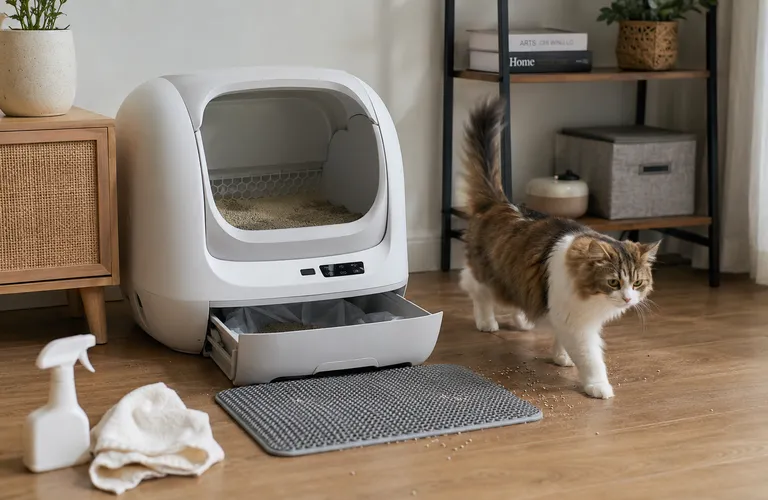
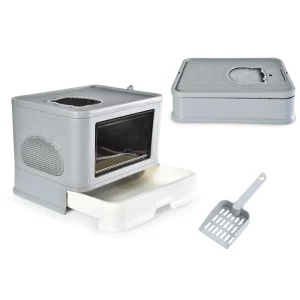
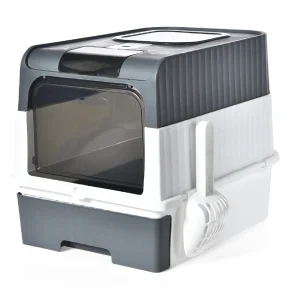
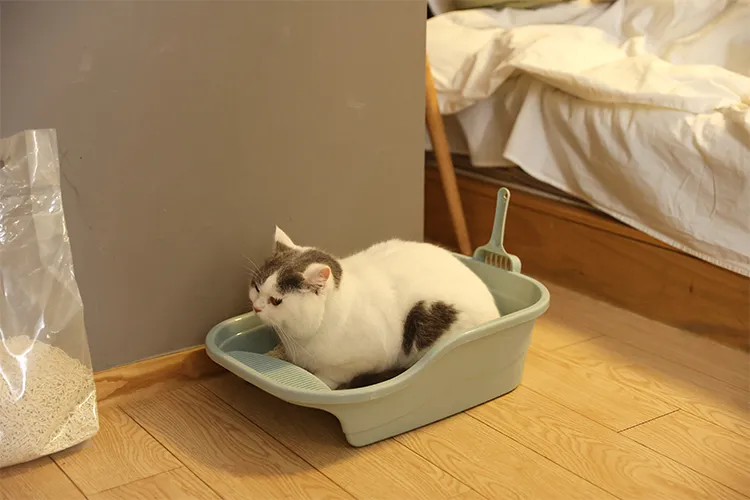
Cat Litter Box: Inaccessible or elevated litter boxes may pose challenges, especially for elderly cats who may struggle to reach or climb into them, leading to urination outside the box.
Location:
Cats prefer privacy when using the litter box. Placing the litter box in high-traffic areas or near areas where the cat eats may deter them from using it.
Understanding and addressing issues related to the litter box setup are essential for resolving urination problems outside the box. By providing a clean, accessible, and appropriately located litter box, cat owners can encourage proper litter box usage and maintain a harmonious environment within the home.

Solutions
Urine serves as a vital means of communication for felines, and urinating outside the litter box indicates that the cat is trying to convey a message. It’s crucial to identify the root cause behind the behavior of urinating outside the litter box.
For physiological issues, seeking assistance from a professional veterinarian is advisable. A comprehensive diagnosis and appropriate medication are essential for treating the cat’s underlying health problems.
Psychological issues require targeted interventions to address the cat’s emotional well-being. Providing a sense of security for the cat, rewarding it for using the litter box, and comforting it when it appears distressed can help navigate through challenging times. Punishment is generally counterproductive, as cats do not associate their act of urinating outside the litter box with the anger of their owners.
Maintaining cleanliness in the litter box by regularly scooping and changing litter is crucial. Since choosing to live with a cat entails maintaining a clean environment for everyone’s happiness, keeping both yourself and the cat content.
Ensure thorough cleaning and odor elimination in areas where the cat has urinated outside the litter box. If the cat consistently urinates in the same spot, it may have designated that area as its “toilet.”
By implementing these strategies, cat owners can effectively address and resolve the issue of cats urinating outside the litter box, fostering a harmonious relationship between themselves and their feline companions.
Conclusion
The issue of cats urinating outside the litter box is multifaceted, encompassing physiological, psychological, and environmental factors. Physiologically, conditions such as urinary tract infections, urinary stones, and kidney issues can contribute to this behavior. Additionally, psychological factors like stress, anxiety, and changes in the living environment can also play a significant role.
Understanding these diverse factors is crucial for effectively addressing and resolving the issue. By recognizing the underlying causes, cat owners can take appropriate measures to ensure the well-being of their feline companions and maintain harmony within the household.
In response to this challenge, proactive steps should be taken, including seeking assistance from veterinary professionals to address potential health concerns. Collaboration with veterinarians facilitates comprehensive health assessments and targeted treatment strategies, ensuring the health and happiness of cats.
Furthermore, addressing environmental factors and providing a clean, accessible, and appropriately located litter box can encourage proper litter box usage and promote a harmonious relationship between cat owners and their beloved pets.
By implementing these strategies, cat owners can effectively address and resolve the issue of cats urinating outside the litter box, fostering a positive and fulfilling bond with their feline companions.