











Introduction
The pet care industry in the United States and Europe is experiencing rapid growth driven by premiumization, smart home integration, and increasing expectations for hygiene and convenience. Among the fastest-growing product categories, the automatic self-cleaning litter box has quickly gained popularity among tech-focused consumers who want hands-free maintenance and better odor control. Meanwhile, the traditional litter box remains a stable and high-volume seller for price-conscious markets and households with multiple cats.
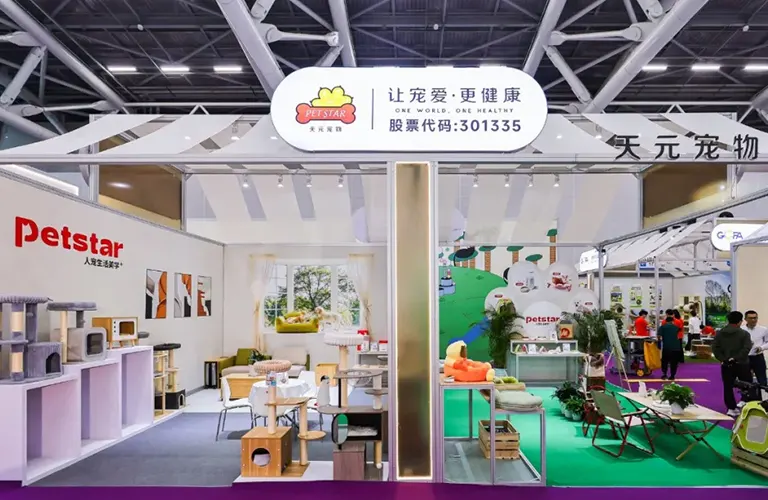
In this blog, we will explore the key differences between automatic litter boxes and traditional litter boxes from a B2B perspective, including cost, consumer demand, profit margin potential, after-sales considerations, and which option aligns best with your business model. As a professional OEM/ODM litter box manufacturer, Petstar will also share how we support global brands with customization, design development, and factory-direct supply solutions.
Traditional Litter Boxes

Design & Functionality
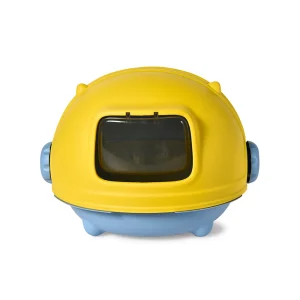
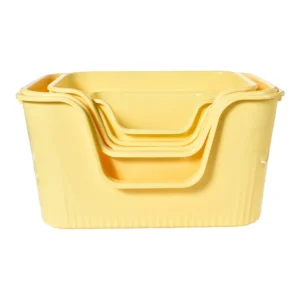
Traditional litter boxes are known for their simple design and ease of use. Typically, they consist of a basic rectangular or square container, with or without a lid, into which cat litter is placed. These boxes do not require complex setup or any technological components, making them highly accessible for pet owners.
Maintenance
These litter boxes require manual scooping and frequent cleaning, which end-users are accustomed to. While this simplicity reduces the need for technical support, B2B buyers should be aware that consumer satisfaction can be influenced by odor management and daily cleaning effort.
Cost-effectiveness
Traditional litter boxes have a lower initial purchase price, making them attractive to budget-conscious customers. However, over time, ongoing maintenance, such as frequent litter replacement and cleaning, can be higher than with automatic litter boxes. From a B2B perspective, this trade-off allows buyers to offer a volume-driven, low-risk product with stable margins.
Target Market
Traditional litter boxes are ideal for budget-conscious pet owners. They appeal to those who are looking for a practical, no-frills solution. Additionally, they are well-suited for pet owners who aren’t interested in or comfortable with technology. This includes first-time pet owners or those with a single pet, who may find traditional boxes sufficient for their needs.
Automatic Litter Boxes

Design & Functionality
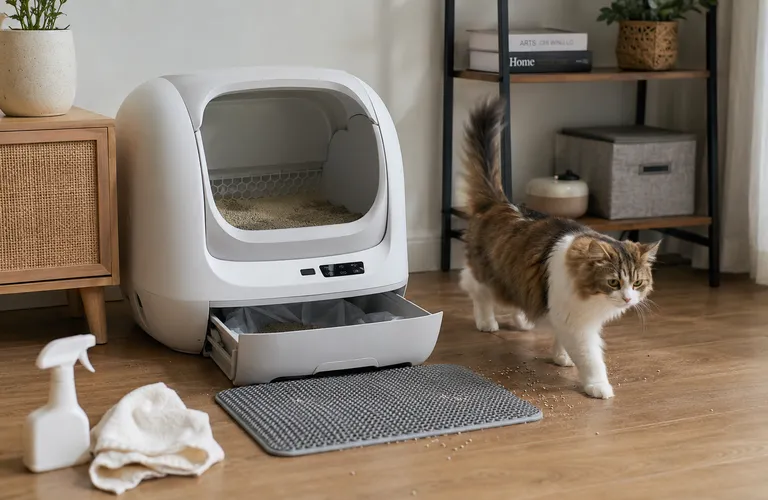
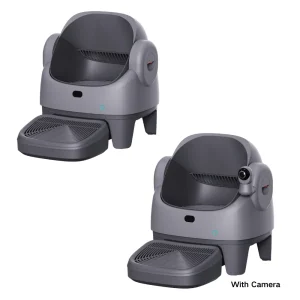
Automatic litter boxes feature advanced self-cleaning technology that significantly reduces human interaction. Their innovative design ensures hygiene, controls odor, and enhances the overall pet care experience. For B2B buyers, these products provide an opportunity to differentiate their catalog with premium, tech-forward solutions that appeal to modern consumers.
Maintenance
Automatic litter boxes are easy to maintain, requiring minimal effort from the pet owner. Built-in mechanisms handle daily cleaning, while accessories such as removable waste bins, liners, or deodorizing components simplify upkeep. From a B2B perspective, offering reliable, low-maintenance products increases end-user satisfaction and reduces support requests.
Cost-effectiveness
Although the initial purchase cost is higher than that of traditional litter boxes, automatic models offer long-term savings in terms of labor and time for end consumers. For B2B buyers, this translates into higher profit margins, potential for premium pricing, and opportunities for recurring revenue through consumables like cartridges, filters, or replacement parts.
Target Market
Ideal for convenience-focused pet owners, multi-pet households, and tech-savvy consumers in urban markets. B2B buyers targeting e-Commerce, specialty pet stores, or subscription-based business models will find automatic litter boxes an attractive addition to their product portfolio, especially in the US and European markets.
Automatic vs Traditional Litter Box Key Differences
|
Feature / Factor |
Traditional Litter Box |
Automatic Litter Box |
|
Design & Functionality |
Simple, manual, easy-to-use |
Self-cleaning, tech-enabled, reduces human interaction |
|
Maintenance |
Requires daily scooping and frequent cleaning |
Minimal effort; built-in cleaning mechanisms and removable waste bins |
|
Initial Cost |
Low |
Higher upfront investment |
|
Long-Term Cost |
Higher due to frequent litter replacement and labor |
Potential long-term savings in labor and time |
|
Target Market |
Budget-conscious consumers, multi-cat households, price-sensitive regions |
Convenience-seeking, tech-savvy, urban pet owners, multi-pet households |
|
Profit Margin Potential for B2B Buyers |
Moderate, volume-driven |
Higher, premium pricing and recurring consumables (filters, cartridges) |
|
Market Trend |
Stable, essential SKU |
Rapidly growing, premiumization, and smart-home integration |
|
Differentiation Opportunity |
Limited, competing mostly on price |
Strong technology and convenience differentiate brand offerings |
|
After-Sales Consideration |
Minimal support required |
Requires guidance for setup, |
Factors to Consider When Choosing Between Automatic and Traditional Litter Boxes
Target Audience
Understanding the needs of your customers is critical when deciding which type of litter box to stock.
- Automatic Litter Boxes: Ideal for pet owners who prioritize convenience, time-saving, and advanced technology. Typically attracts consumers who are willing to invest in a higher-quality, hassle-free experience, such as tech-savvy millennials or busy professionals.
- Traditional Litter Boxes: Better suited for budget-conscious consumers or first-time pet owners. They appeal to those seeking simplicity and reliability at a lower price point. This is often the choice for customers who don’t mind manual cleaning and who prefer a basic, cost-effective solution.
Market Trends
As consumer preferences evolve, market trends play a significant role in determining which product type to focus on.
- Increasing Preference for Automation: There’s a noticeable shift towards automated solutions across various sectors, and the pet care industry is no exception. Automatic litter boxes are gaining popularity, especially as technology becomes more accessible and affordable. Offering these products aligns your business with modern consumer preferences and positions you as an innovator in the market.
- Eco-Friendly Solutions: Many consumers today are more environmentally conscious. Automatic litter boxes, especially those with self-cleaning features, can promote better waste management and reduce litter waste, appealing to eco-conscious buyers. Brands offering sustainable solutions will have an edge in this growing market.
Business Considerations
When evaluating which product type to carry, consider your business goals in terms of innovation, cost, and consumer demand.
- Innovation: If your business aims to be seen as a leader in innovation, stocking automatic litter boxes can differentiate you from competitors. These products align with trends toward automation and smart home solutions, which could attract a more tech-savvy, forward-thinking customer base.
- Cost and Profit Margins: Traditional litter boxes have lower production and retail costs, making them a safer choice for businesses looking to focus on volume and cost-effective products. However, while automatic litter boxes have higher upfront costs, they often come with higher profit margins and may appeal to premium consumers willing to invest in convenience and technology.
- Consumer Demand: Analyze your customer base and market research to understand the demand for each type. If your clients are predominantly budget-conscious, traditional litter boxes may be a more consistent seller. However, if your target market includes younger, tech-forward consumers, or you’re focusing on high-margin products, automatic models could become a major growth area.
Why Partner with Petstar as Your Litter Box OEM/ODM Manufacturer
Full Line Manufacturing
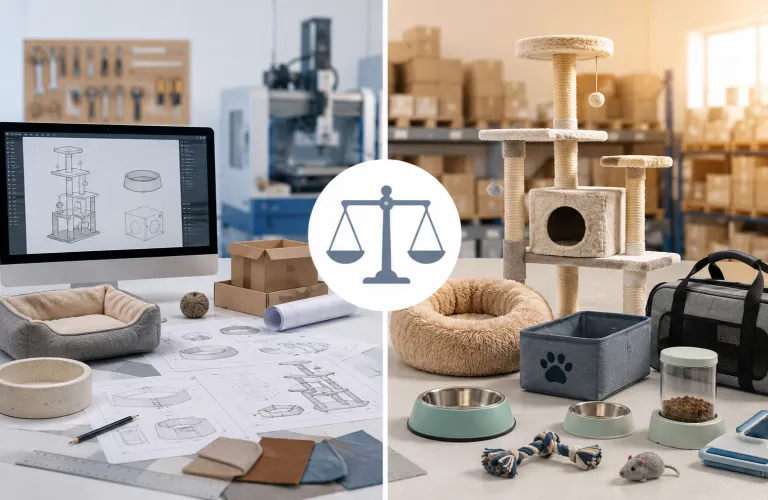
Petstar offers a complete range of litter box solutions, from traditional manual models to advanced smart automatic units. This allows B2B buyers to diversify their product portfolio and meet the varying needs of consumers across different markets.
In-House R&D and Mold Development
Our dedicated R&D team and in-house mold-making capabilities enable exclusive branding and product customization. B2B buyers can launch unique designs under their own private labels, giving them a competitive edge in markets.
Comprehensive Support
Petstar provides full support for certifications, protective shipment packaging, and detailed after-sales documentation. This ensures smooth logistics, regulatory compliance, and minimal operational challenges for B2B buyers.
Recurring Revenue Opportunities
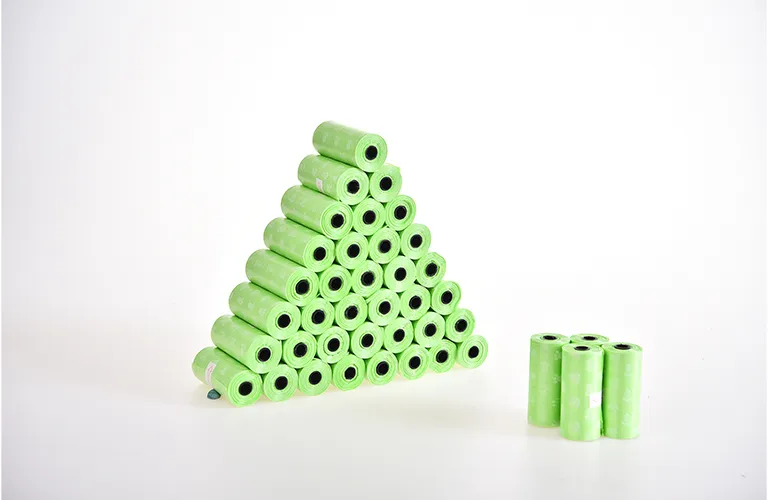
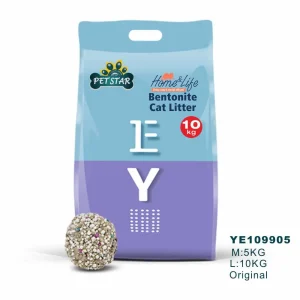
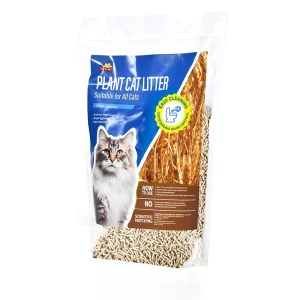
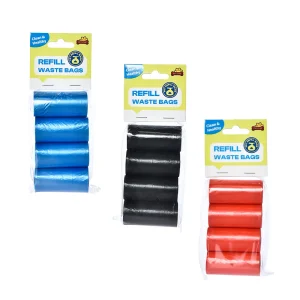
We offer custom aroma tablets, deodor cartridges, and waste bags that complement our litter boxes, helping B2B buyers create additional revenue streams through consumables. These accessories not only enhance the user experience but also strengthen brand loyalty and repeat purchases.
Conclusion
Choosing the right litter box category, Automatic vs Traditional, is a strategic decision for B2B buyers looking to maximize market reach, profit margins, and customer satisfaction. Traditional litter boxes offer cost-effective, high-volume solutions for budget-conscious markets, while automatic litter boxes provide premium positioning, higher margins, and strong differentiation for tech-savvy consumers in the US and Europe.
As a trusted OEM/ODM litter box manufacturer, Petstar empowers B2B buyers to capitalize on both segments. With full product lines, in-house R&D, private label options, certification support, and value-added accessories like aroma tablets and deodor cartridges, we provide everything your business needs to launch successful litter box products globally.
Contact us to explore OEM/ODM opportunities, request samples, or discuss custom designs for your brand.