





Introduction
When searching for “the best cat fountain”, most content is written for end consumers and focuses on design, price, or short-term reviews. For B2B buyers, however, the definition of “best” is very different.
For brand owners, importers, and wholesalers, the best cat fountain is determined by product reliability, manufacturing consistency, and long-term supply stability. Factors such as pump durability, material safety, leakage risk, and certification readiness have a direct impact on return rates, after-sales costs, and brand reputation in the market.
As a professional cat fountain manufacturer, Petstar collaborates with B2B partners across various regions and frequently encounters common sourcing issues: pumps that fail after short-term use, designs that are challenging to mass-produce, and inconsistent quality between production batches.
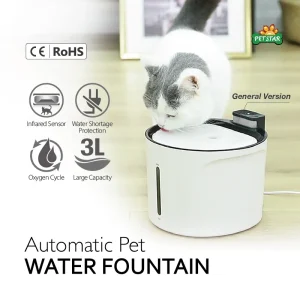
In this blog, we explain what the best cat fountain looks like from a manufacturing and sourcing perspective. Instead of comparing individual retail models, we focus on how core functions, materials, structural design, and compliance standards influence product performance in real-world sales. We also share common problems seen in the market and how experienced manufacturers address them, helping B2B buyers make better sourcing decisions based on their target market, pricing strategy, and long-term brand plans.
Key Functions That Define a High-Quality Cat Fountain
From a B2B perspective, the best cat fountain is built around function and stability rather than appearance. Regardless of market positioning or price level, certain core functions are non-negotiable if a cat water fountain is expected to perform well in long-term sales.
Stable Water Circulation System
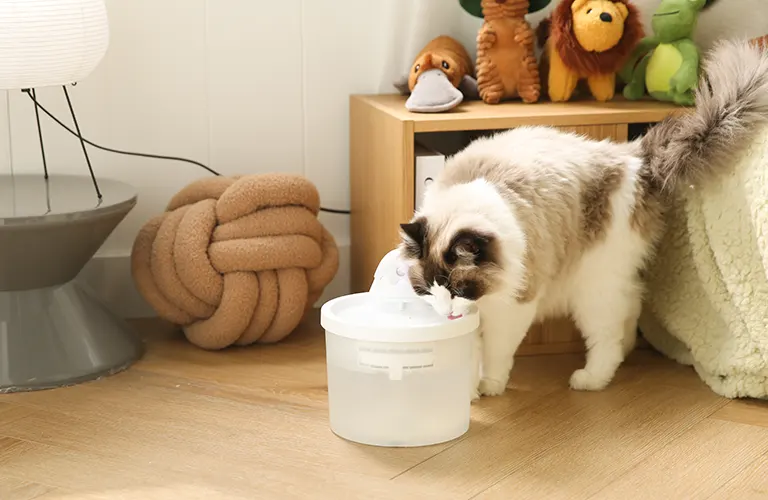
A continuous water circulation system is one of the most basic requirements. Cats are naturally attracted to moving water, but for manufacturers and brands, the real value lies in flow stability. An inconsistent or overly complex water flow design often leads to pump overload, noise complaints, and higher failure rates after extended use.
In mass production, simple and well-tested circulation structures tend to deliver better durability and lower after-sales risk.
Effective and Replaceable Filtration
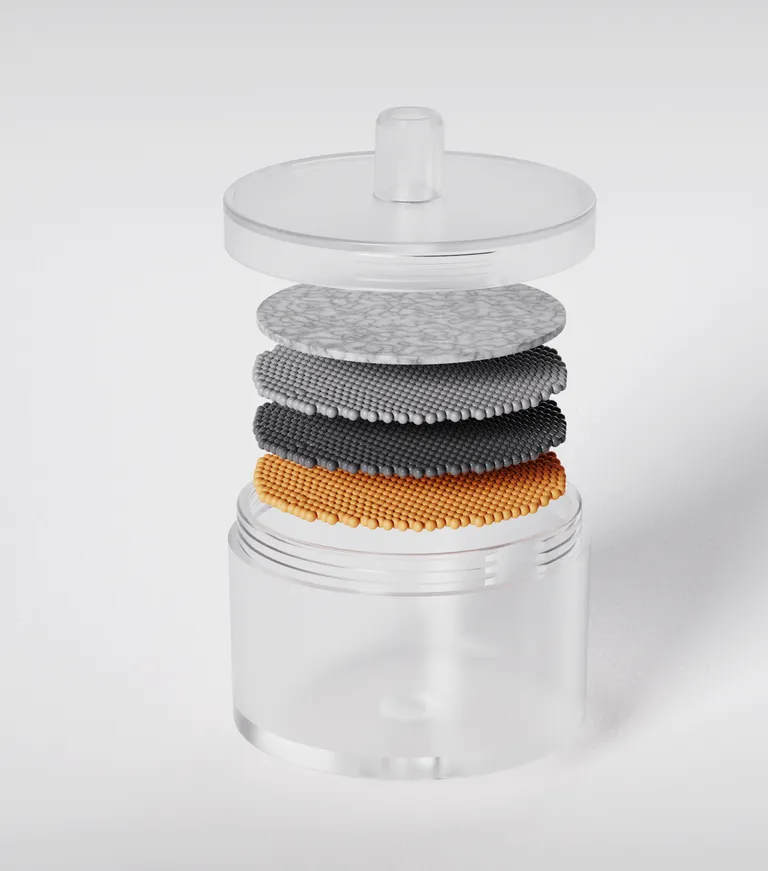
Filtration is another critical function that directly affects user experience and product reputation. Most competitive cat fountains rely on multi-layer filtration to remove hair, dust, and odors from the water.
From a manufacturing standpoint, the focus is not only on filtration effectiveness but also on filter compatibility and replacement frequency. Poorly designed filter systems can increase running costs for end users and negatively impact repeat purchases, while standardized and replaceable filters support long-term sales and accessory revenue.
Reliable Pump Performance

Pump performance is often the weakest point in a cat fountain. Many product issues reported by B2B buyers, such as noise, reduced water flow, or complete failure, can be traced back to pump quality and testing standards.
For a cat fountain manufacturer, pump stability and lifespan are more important than adding advanced but unnecessary features. Consistent pump performance across production batches is a key factor in defining whether a cat fountain can be considered “best” from a B2B sourcing perspective.
In Petstar’s manufacturing experience, cat fountains that focus on stable circulation, effective filtration, and reliable pumps consistently outperform designs that prioritize visual novelty over functional durability.
Materials Matter: What the Best Cat Fountains Are Made Of
For B2B buyers, material selection is one of the most important factors when evaluating a cat fountain. It affects not only product safety and durability, but also compliance, positioning, and long-term brand trust.
Food-grade Plastic for Mass Production Stability
Food-grade plastic remains the most common choice for cat water fountains, especially in mid-range and wholesale markets. Materials such as PP and ABS offer a strong balance between cost control, structural strength, and ease of molding.
When properly selected and processed, food-grade plastic enables consistent quality across large production volumes, which is essential for brands selling through multiple channels.
Stainless Steel for Premium Positioning
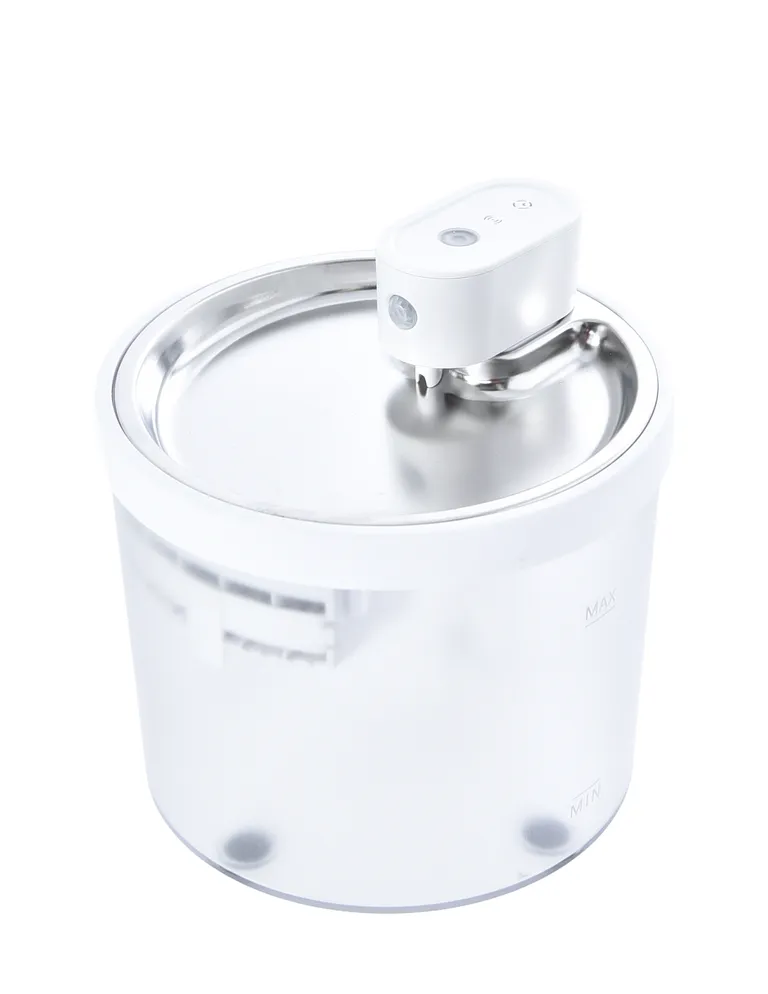
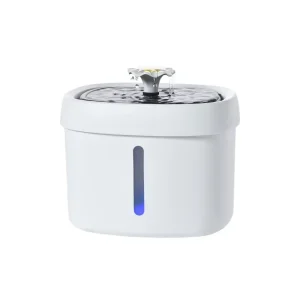
Stainless steel is often used in premium cat fountain designs, particularly for the top cover or water tray. Compared to plastic, stainless steel is easier to clean and more resistant to odor buildup, making it attractive in higher-end markets.
From a factory standpoint, combining stainless steel components with a plastic base is a practical way to enhance perceived value without significantly increasing production complexity.
Material Safety and Traceability
Beyond visible materials, safety standards such as BPA-free requirements play a critical role in international markets. Inconsistent material quality can lead to certification issues, shipment delays, or even product recalls.
| Material | B2B Advantage | Typical Market Position |
|---|---|---|
| PP / ABS (Food-grade plastic) | Cost-effective, stable molding | Mid-range / wholesale |
| Stainless steel | Easy to clean, premium feel | High-end / branded |
| Mixed structure | Balanced cost & value | Multi-channel brands |
For this reason, experienced manufacturers focus on material traceability and long-term supplier stability rather than frequent material changes for short-term cost savings.
Capacity, Structure & User Convenience
Water capacity and structural design are often underestimated during product selection, yet they directly affect user satisfaction and after-sales performance.
Capacity Options for Different Market Needs
Smaller-capacity cat fountains may suit single-cat households, while larger reservoirs are preferred for multi-cat families and wholesale markets. For brands and importers, offering multiple capacities within the same structural platform helps cover different price tiers without increasing development risk.
Structural Simplicity and Ease of Cleaning
Ease of cleaning plays a significant role in the long-term performance of a product. Overly complex internal structures may appear attractive, but often lead to odor buildup and negative feedback.
Designs that allow quick disassembly and minimize hidden corners tend to perform better in mass-market sales.
Practical Details That Reduce Complaints
Clear water level visibility, stable placement, and leak-resistant assembly may seem minor, but they significantly influence reviews and return rates. In large-scale distribution, small design flaws can quickly turn into widespread issues.
Safety & Compliance
For B2B buyers, safety and regulatory compliance determine whether a cat fountain can legally and successfully enter target markets.
Electrical Safety and Pump Protection
Most modern cat fountains use low-voltage or USB-powered pumps to reduce electrical risk. Features such as dry-run protection help prevent pump damage when water levels drop too low.
Without these safeguards, even well-designed products can lead to high failure rates and customer complaints.
Material Safety Standards
BPA-free plastics, FDA-approved contact surfaces, and non-toxic materials are standard requirements in Europe, North America, and other regulated markets. Manufacturers must ensure consistent compliance across every batch.
International Certifications
Certifications such as CE, FCC, and RoHS are critical for global distribution. Experienced manufacturers integrate these requirements into design, testing, and quality control from the beginning, rather than treating compliance as a final step.
| Certification | Target Market | Why It Matters |
|---|---|---|
| CE | Europe | Market access & safety |
| FCC | North America | Electrical compliance |
| RoHS | EU / Global | Environmental standards |
| FDA (material) | US | Food-contact safety |
OEM & ODM Considerations
For many B2B buyers, the best cat fountain is not just a product, it is a scalable OEM or ODM solution.
Customization Without Production Risk
Brand differentiation often comes from logo placement, color options, and packaging design. Reliable manufacturers can implement these changes without disrupting production stability.
Petstar supports flexible customization on standardized structures, allowing brands to target multiple market segments efficiently.
Lead Time, MOQ, and Production Capacity
A product is not “best” if it cannot be delivered consistently. B2B buyers must evaluate a factory’s ability to manage MOQs, scale production, and meet shipping schedules reliably.
Design for Manufacturability
Even small design changes can impact assembly efficiency and leak resistance. Manufacturers with real production experience help brands avoid costly redesigns and quality issues.
Common Market Problems
Pump Failure and Noise Issues
Pump-related problems are among the most common complaints. Petstar addresses this through strict pump selection, lifespan testing, and standardized assembly procedures.
Leakage and Structural Instability
Prototype designs may fail in mass production due to tolerance variations. Petstar mitigates this risk with precise mold design, assembly testing, and strict QC processes.
Inconsistent Quality Between Batches
Variations in materials or assembly can cause serious problems for brands. Petstar maintains consistency through controlled raw material sourcing, in-line inspections, and batch-level quality checks.
Why Petstar Is a Reliable Cat Fountain Manufacturer
Choosing the right manufacturer is just as important as choosing the right product.
Petstar has extensive experience supplying cat fountains to international B2B markets. Our products are designed around stable circulation systems, reliable pumps, effective filtration, and BPA-free materials, with mass production and long-term durability in mind.
We provide comprehensive OEM and ODM services, supporting customization while maintaining consistent quality and delivery performance. Our production lines are optimized for both small and large orders.
Quality control and compliance are embedded throughout our manufacturing process, meeting CE, FCC, RoHS, and FDA standards. This allows B2B buyers to expand into multiple markets with confidence.
Conclusion
Selecting the best cat fountain for your business goes far beyond visual design. For B2B buyers, it requires careful evaluation of functional reliability, material quality, structural design, safety compliance, and manufacturing consistency.
Partnering with an experienced manufacturer like Petstar ensures that these critical factors are addressed from the start. With stable production, OEM/ODM flexibility, and international compliance support, Petstar helps brands build cat fountain product lines that perform reliably in global markets.
Ultimately, the best cat fountain is not just a product, it is the result of strong design fundamentals and a manufacturing partner you can trust.
FAQ
1. What makes a cat fountain “best” from a B2B sourcing perspective?
For B2B buyers, the best cat fountain is defined by long-term reliability rather than short-term consumer appeal. Key factors include stable water circulation, durable pump performance, consistent material quality, and compliance with international safety standards. A product that performs consistently across production batches is more valuable than one with complex but unnecessary features.
2. What is the most common quality issue with cat water fountains?
Pump-related issues are the most common problem in the market. Noise, reduced water flow, or early pump failure often result from insufficient lifespan testing or inconsistent assembly. From a manufacturing perspective, pump stability and standardized installation are critical to reducing returns and after-sales complaints.
3. Are stainless steel cat fountains better than plastic ones?
Not necessarily. Food-grade plastic cat fountains are widely used in wholesale and mid-range markets due to their cost efficiency and production stability. Stainless steel components are often added to premium models for easier cleaning and improved perceived value. The “best” material choice depends on target market positioning and pricing strategy.
4. Can cat fountains be customized for private label or branded sales?
Yes. Most professional manufacturers offer OEM and ODM services, including logo printing, color customization, and packaging design. However, customization should be implemented on proven product structures to avoid quality risks. Experienced factories integrate customization without compromising production stability.
5. What MOQ is typical for OEM cat fountain orders?
MOQ requirements vary depending on product structure, customization level, and materials. Standard models with minor branding typically have lower MOQs, while fully customized designs may require higher minimums. Working with a flexible manufacturer helps brands balance cost and inventory risk.
6. How does Petstar support long-term B2B partnerships?
Petstar supports B2B customers through stable production processes, strict quality control, and flexible OEM/ODM services. By focusing on functional reliability, material safety, and compliance readiness, Petstar helps brands reduce after-sales issues and scale cat fountain sales across multiple markets.