










Introduction
As pet ownership continues to rise globally, so does the demand for products that simplify the care and maintenance of pets. Among these, pet waste bags have become an essential item for responsible pet owners. Their practicality, convenience, and eco-friendly options cater perfectly to a market that values sustainability and hygiene.
For retailers, supermarkets, and pet stores, offering high-quality pet waste bags not only satisfies consumer demand but also strengthens their competitive edge. In this blog, we will explore the essentials of pet waste bags, including their materials, popular designs, and production processes. If you are looking to expand your product line with reliable, customizable, and eco-friendly pet waste bags, this guide is tailored for you.
What Are Pet Waste Bags?
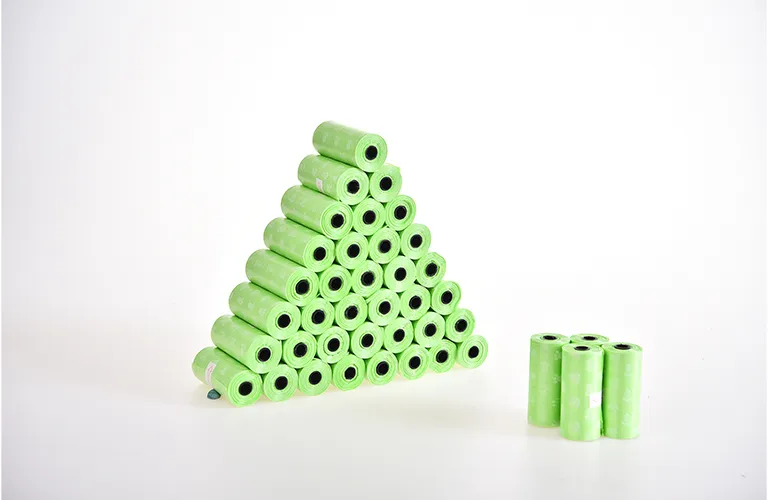
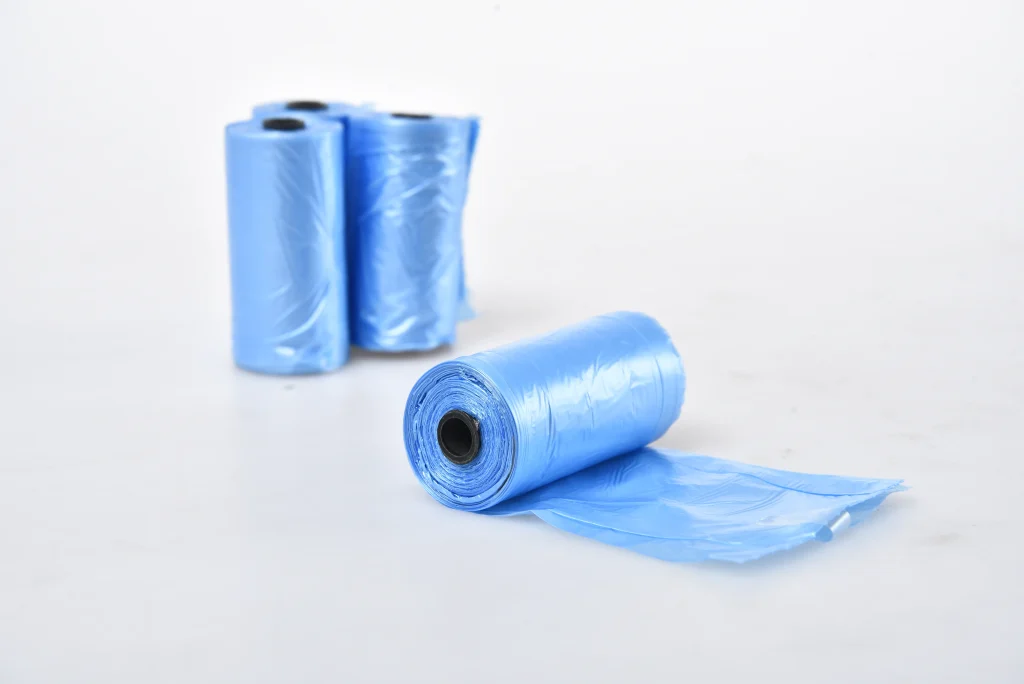
Pet waste bags are specialized bags designed for the easy and hygienic disposal of pet waste, primarily from dogs and cats. These pet poop bags are lightweight, portable, and often come in rolls that fit standard dispensers for convenient access during walks or outdoor activities.
Typically, pet waste bags are made from durable, leak-proof materials like polyethylene (PE) or biodegradable alternatives such as PLA (polylactic acid) or PBAT (polybutylene adipate terephthalate). These materials ensure the waste is securely contained, preventing messes or odors.
Pet waste bags cater to both practical and environmental needs, with a growing preference for eco-friendly options. As an indispensable tool for maintaining cleanliness in public spaces, they have become a staple in pet care, making them a high-demand product for retailers and pet stores worldwide.
What Are the Materials for Pet Waste Bags?
Pet waste bags come in a variety of materials, each offering distinct characteristics and environmental benefits. Here’s an overview of the primary materials used
PE Pet Waste Bags
Made from LLDPE (Linear Low-Density Polyethylene) and HDPE (High-Density Polyethylene), PE pet waste bags are durable and cost-effective. However, they are non-biodegradable and remain in the soil indefinitely after disposal. These bags can be produced in various thicknesses, making them a practical choice for many applications.
EPI or D2W Pet Waste Bags
Known as chemically degradable or photodegradable bags, these are made from EPI or D2W additives combined with LLDPE and HDPE. They are an economical option and can decompose under exposure to light, oxygen, and microorganisms.
Features: Decompose naturally after approximately 4 months of disposal and begin degrading after 2 years of storage.
Limitations: While they reduce environmental impact, their breakdown products do not contribute to plant growth or ecological cycles.
BFZ-006 Pet Waste Bags
These are partially biodegradable bags that include a starch base along with LLDPE and HDPE.
Features: Contain biocarbon with a mild starch scent. They reduce the use of fossil-based materials, lowering carbon emissions and increasing cost-efficiency.
Environmental Benefits: The biodegradable portion decomposes under light, oxygen, and microbial activity, leaving residues beneficial for plant growth. Decomposition begins within 3 months after disposal and 2 years in storage.
Thickness Requirement: Minimum thickness of 1.6 mils for efficient production.
Fully Biodegradable Pet Waste Bags
Made from PBAT (polybutylene adipate terephthalate) blended with starch or PLA (polylactic acid), these are 100% biodegradable.
Features: Naturally antistatic and soft to the touch, with a minimum thickness of 1.8 mils.
Environmental Benefits: Fully decompose into elements that are 100% recyclable for plant growth. Decomposition begins after 3 months of disposal and 5 months in storage, providing the most eco-friendly option for pet waste management.
Each material offers unique advantages, catering to different consumer preferences and environmental priorities. Retailers can select the most suitable type based on their target audience and sustainability goals.
Common Designs of Pet Waste Bags
Pet waste bags are available in various designs to cater to different consumer needs and preferences. Below are the most common types:
Flat Bags
Flat bags are the simplest and most cost-effective design. They are rectangular, sealed at one end, and open at the other. These bags are easy to use and suitable for customers who prioritize affordability and practicality.
Side Gusset Bags
Side gusset bags have expandable sides, providing extra space for waste. This design makes them ideal for pet owners who need larger capacity bags while maintaining a compact and portable size for daily use.
T-Shirt Bags
T-shirt bags, also known as vest bags, feature handles for easy carrying. Their ergonomic design allows users to securely tie the bag after use, ensuring no leaks or odors escape. This design is popular for its convenience and versatility.
Roll T-Shirt Bags
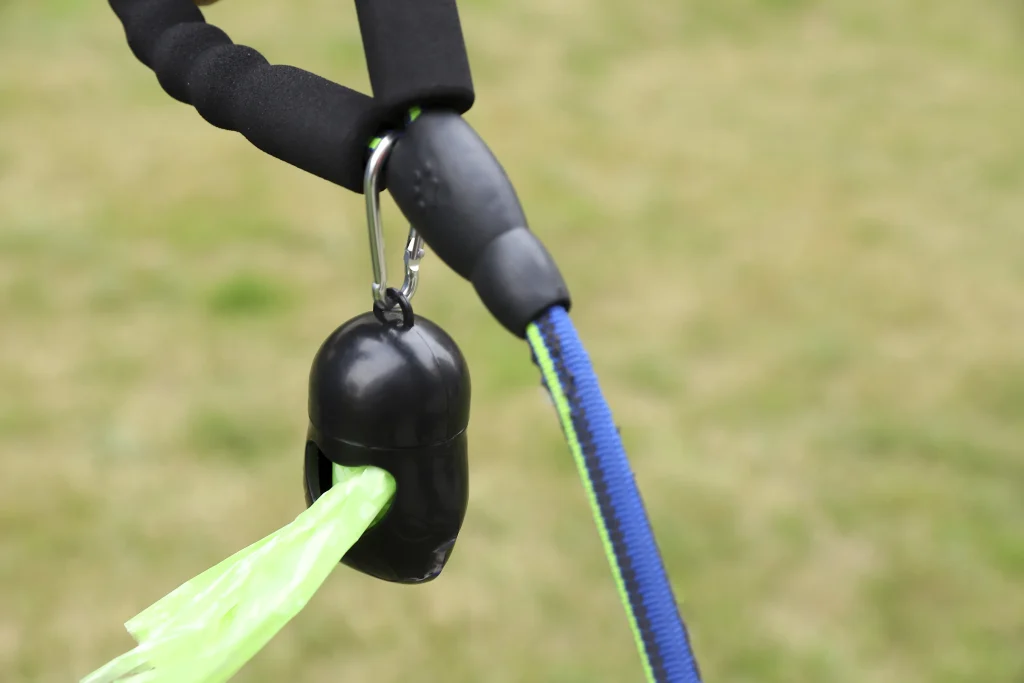
These are T-shirt bags designed in roll form, making them easy to store and dispense. Often paired with a bag dispenser, they are a preferred choice for customers seeking a compact and user-friendly solution for pet waste disposal.
Manufacturing Process of Pet Waste Bags
The production of pet waste bags involves a series of precise and efficient steps to ensure high-quality products that meet the needs of B2B buyers. Here’s an overview of the manufacturing process:
Material Preparation
The process begins with sourcing raw materials such as LLDPE, HDPE, or biodegradable compounds like PBAT and PLA. These materials are carefully inspected to ensure quality and consistency.
Layout Design
A custom layout is created for the specific bag design, including dimensions, printing patterns, and any additional features requested by the client.
Material Blending
Materials are mixed according to the desired composition, whether for standard PE bags, partially biodegradable, or fully biodegradable options. Additives like EPI or D2W may be included for degradability, and pigments may be added for color customization.
Film Blowing
The mixed material is heated and extruded into thin films using a film-blowing machine. The film’s thickness is carefully controlled, ranging from 1.6 to 1.8 mils, depending on the bag’s design and function.
Printing
The film is printed with custom designs, logos, or patterns using eco-friendly inks. This step ensures branding and visual appeal for retail-ready products.
Bag Making
The printed film is cut and sealed into the desired bag design, such as flat, gusset, or T-shirt bags. Precision machinery ensures consistent quality and durability.
Rolling and Folding
For roll-style bags, the finished bags are rolled and perforated for easy dispensing. Flat or T-shirt bags are neatly folded for packaging.
Packaging
For roll-style bags, the finished bags are rolled and perforated for easy dispensing. Flat or T-shirt bags are neatly folded for packaging.
Shipping
The packed pet waste bags undergo a final quality inspection before being shipped to clients worldwide.
FAQs About Pet Waste Bags
Are biodegradable pet waste bags truly eco-friendly?
Yes, biodegradable bags like those made from PBAT and PLA are 100% compostable and leave no harmful residues. However, partially degradable options, like EPI or D2W bags, are more cost-effective but offer limited environmental benefits compared to fully biodegradable solutions.
How long does it take for biodegradable bags to decompose?
The decomposition time varies by material. EPI and D2W bags begin breaking down within 4 months after disposal, while BFZ-006 bags take about 3 months. Fully biodegradable bags made from PBAT or PLA decompose within 3 months under suitable composting conditions.
Can I customize the design and printing of pet waste bags?
Yes, many suppliers offer customization options, including colors, printing logos, and specific bag designs. Pantone color matching and tailored printing layouts are common features available for branding purposes.
Are pet waste bags safe for pets and humans?
Absolutely. High-quality bags are manufactured with non-toxic materials and eco-friendly inks to ensure safety for both pets and humans handling them.
What is the typical shelf life of biodegradable bags?
Biodegradable bags generally have a shelf life of 6 months to 2 years, depending on the material composition and storage conditions. Proper storage in a cool, dry environment can extend their usability.
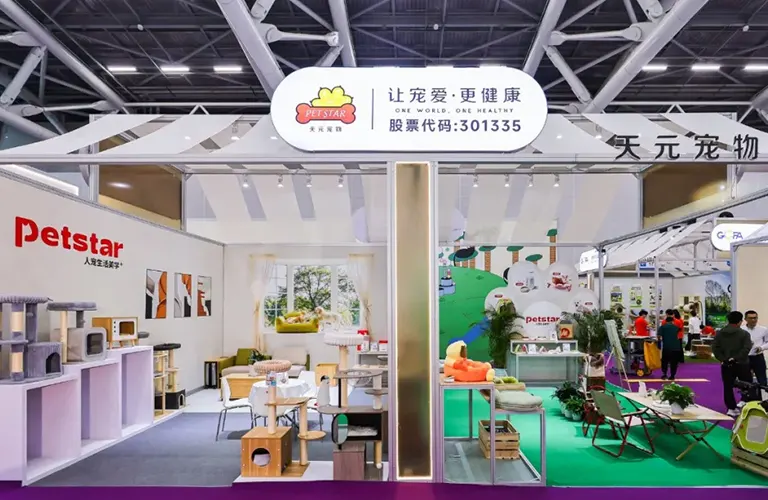
Petstar: Your Reliable Pet Waste Bag Supplier
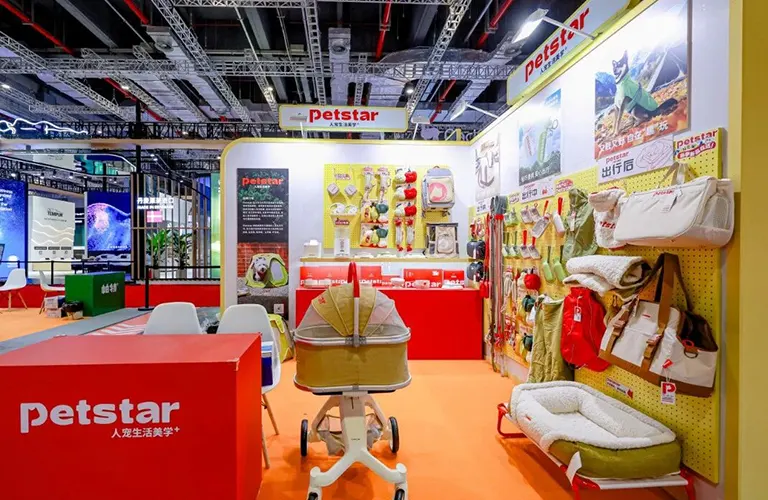
Petstar is a trusted manufacturer specializing in high-quality, customizable pet waste bags for B2B buyers like retailers, supermarkets, and pet stores. Offering a wide range of options, from standard PE to fully biodegradable materials like PBAT and PLA, Petstar ensures its products meet modern environmental and market demands.
With advanced production processes, strict quality control, and customization options such as branded logos and unique designs, Petstar is the ideal partner to support your business growth. Contact Petstar today to explore premium pet waste bag solutions tailored to your needs!

Conclusion
Pet waste bags are an essential product for pet owners worldwide, offering convenience and promoting environmental responsibility. With a variety of materials and designs available, businesses have numerous options to cater to their customers’ preferences and sustainability goals.
Understanding the materials, production process, and key features of pet waste bags can help B2B buyers make informed decisions. Partnering with a reliable supplier like Petstar ensures access to high-quality, customizable pet products that meet both market demands and environmental standards.
Ready to expand your product line with premium pet waste bags? Reach out to Petstar today for expert guidance and tailored solutions!