










Introduction
Cats are lively and adorable, and they’ve gradually become a common member of many households. For first-time pet owners, bathing a cat at home might seem like a challenge. Petstar, a pet product manufacturer with over 20 years of experience, has created this guide to help you bathe your cat at home in a way that ensures comfort and safety. With proper preparation and following the correct steps, the entire process can be both smooth and efficient.
Tools & Materials
Before you start, make sure you have the following tools and materials:
Comb
Nail clippers
Warm water (37-40°C)
Cat-specific shampoo
Absorbent towels
Hairdryer
Cleaning sponge
Ear cleaner and cotton swabs
Bathing Steps
Groom and Trim
Begin by combing your cat’s fur to remove any tangles. If you find any knots, you can use scissors to cut them out and then comb through the fur again. Next, use the nail clippers to trim your cat’s claws, which helps prevent scratches during bathing.

Wet the Cat
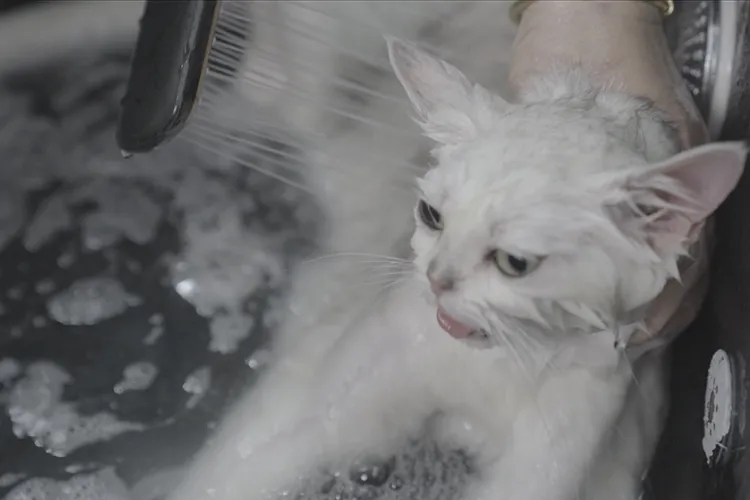
Place your cat in the bath basin. Ensure the water temperature is between 37-40°C. With your left hand, gently hold the scruff of your cat’s neck while you slowly lower it into the water. Use a small cup or showerhead to wet the cat’s fur, taking care not to spray water directly on the cat’s face.
Apply Shampoo
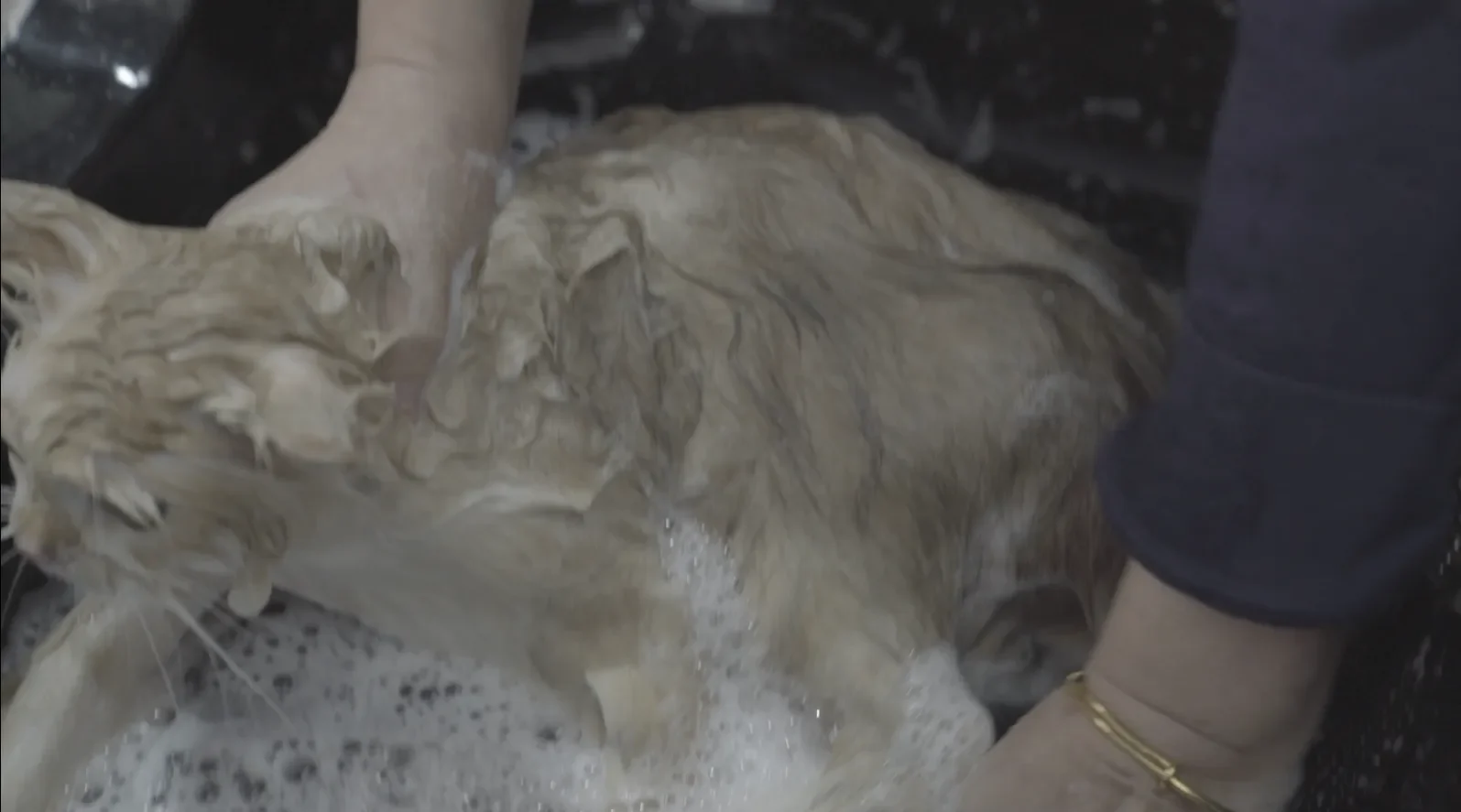
Apply a suitable amount of cat-specific shampoo to the fur, working from top to bottom. Massage gently to create a lather, then thoroughly rinse with clean water, ensuring no shampoo residue remains.
Clean the Head
When cleaning the cat’s head, be extra cautious to avoid water getting into the cat’s eyes and ears. You can use a cleaning sponge to dampen the cat’s head, then apply a small amount of shampoo and gently rub it. After washing, use a sponge or towel to remove any soap residue.
Clean the Ears
After drying the cat, wrap it in a towel to keep it warm and comfortable. Use ear cleaner and cotton swabs to gently clean the cat’s ears, ensuring there’s no water left that could cause infection. Place the cat in a warm room to rest.

Precautions
Cats typically dislike bathing, so avoid using a strong water spray, especially on the head, to prevent water from entering the eyes or ears.
After bathing, you can give your cat a small treat to help reduce its fear of bathing.
Be patient and gentle throughout the process, frequently petting the cat to ease its tension.
Conclusion
Now you know how to bathe your cat at home. Overall, bathing a cat requires patience and skill. Following these steps can ensure your cat feels safe and comfortable during the process. After bathing, give your cat some time to relax and monitor its behavior to ensure it’s healthy. If you encounter any issues during bathing or are unsure about any steps, consult a veterinarian or a professional pet groomer.
If you’re interested in sourcing pet products, feel free to contact Petstar. Thank you for reading this article.