










Introduction
In the competitive pet product market, offering a variety of high-quality dog bowls has never been more important. As pet ownership continues to rise, dog owners are increasingly seeking products that enhance their pets’ comfort, health, and overall well-being. Understanding the different types of dog bowls can help retailers, supermarkets, and pet stores make informed decisions about their inventory. As a supplier of pet bowls and bottles, Petstar will introduce various main types of dog bowls based on material and functionality in this blog. We will also provide suggestions on how to choose the right dog bowl and offer insights into current market trends. Through this blog, we hope businesses can better understand the products to meet the ever-changing needs of their customers and maintain a competitive edge in the market.
Main Types of Dog Bowls
According to Dog Bowl Material
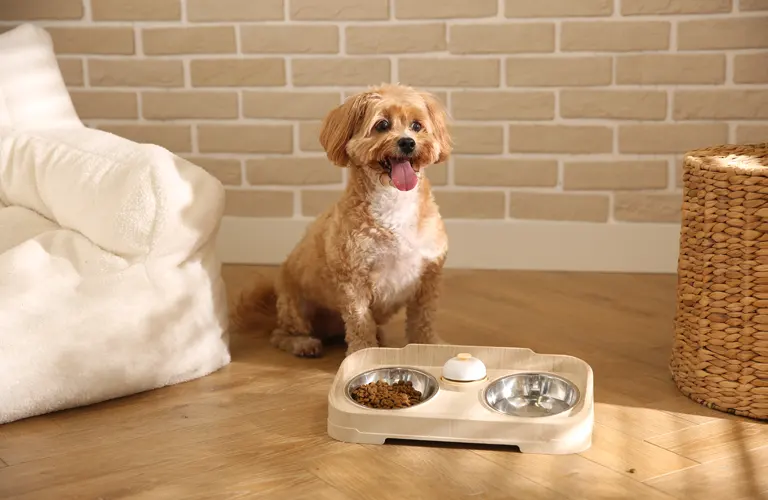
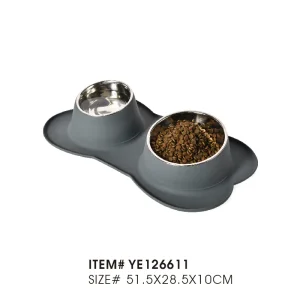
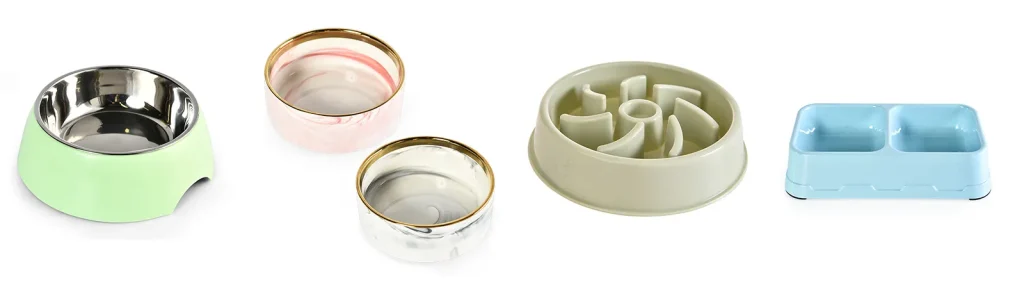
Stainless Steel Dog Bowls: These bowls are highly durable, resistant to rust, and easy to clean. They are also often dishwasher safe and do not retain odors or bacteria, making them a popular choice among pet owners.
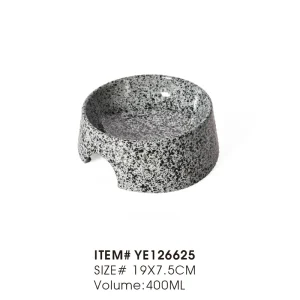
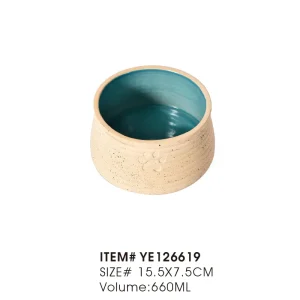
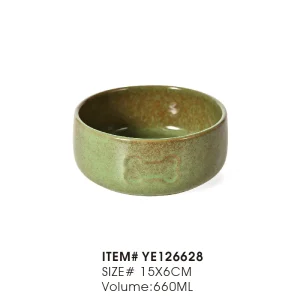
Ceramic Dog Bowls: Ceramic bowls are heavy and stable, reducing the likelihood of tipping. They come in various designs and can be aesthetically pleasing, adding a touch of style to any home.
Plastic Dog Bowls: These bowls are lightweight and affordable. They come in a wide range of colors and designs, offering versatility and convenience for pet owners.
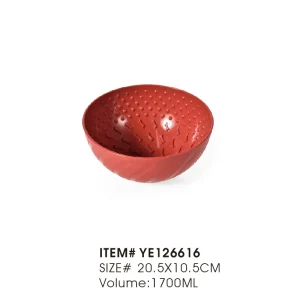
Melamine Dog Bowls: Melamine bowls combine the durability of plastic with an aesthetic similar to ceramic. They are durable, scratch-resistant, and usually dishwasher-safe.
Dog bowls can be classified based on their materials, mainly including stainless steel dog bowls, ceramic dog bowls, plastic dog bowls, and melamine dog bowls. Additionally, there are plant-based dog bowls like wheat straw dog bowls and glass dog bowls. For more types of dog bowls, explore our feeding and watering products.
According to Dog Bowl Function
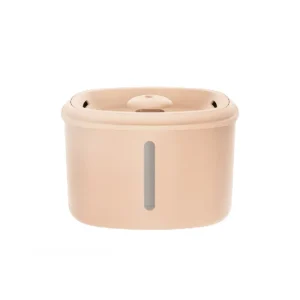
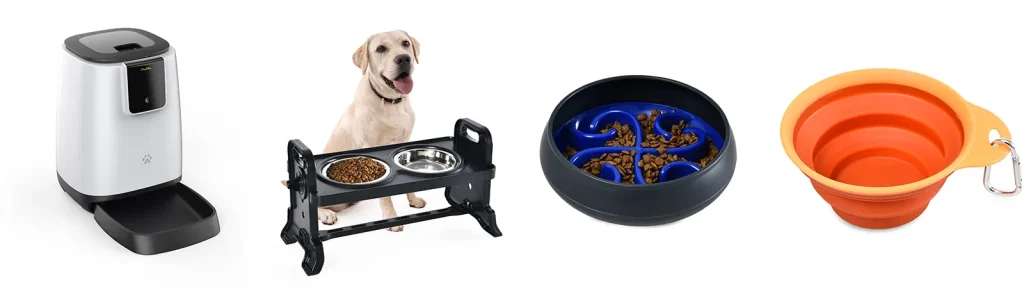
Automatic Dog Feeders: These bowls are designed to dispense food at scheduled intervals, making them ideal for pet owners with busy schedules. They can help manage portion control and ensure pets are fed consistently.
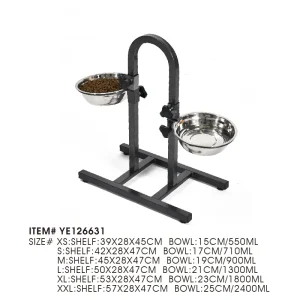
Elevated Dog Bowls: Elevated bowls are placed on stands, raising them off the ground. This design can help improve posture and digestion, especially for larger breeds or older dogs with arthritis or mobility issues.
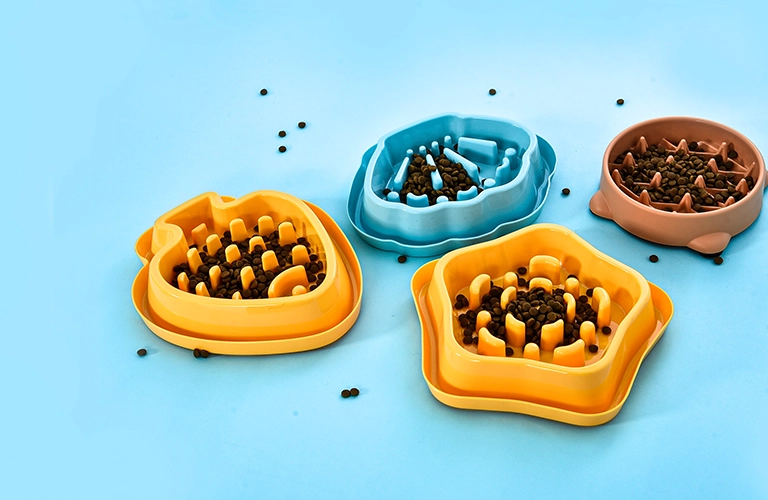
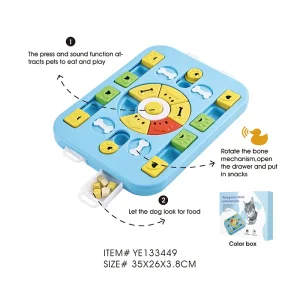
Slow Feeder Dog Bowls: These bowls have intricate designs or obstacles to slow down a dog’s eating speed. They can help prevent choking, bloating, and digestive problems by encouraging slower, more deliberate eating.
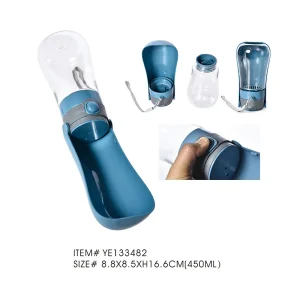
Travel Dog Bowls: Portable and often collapsible, travel bowls are designed for convenience on the go. They are typically made from lightweight, durable materials and are easy to pack for trips.
Dog bowls can also be categorized by their functions, mainly as automatic dog feeders, elevated dog bowls, slow feeder bowls, and travel dog bowls. There are also sensor dog bowls and weighing dog bowls. For more types and details, please contact us!
How to Choose Dog Bowls
When selecting dog bowls for your store, it’s essential to consider various factors that cater to the needs of both pets and their owners. Here are some key points to keep in mind:
Material: Choose materials that are safe, durable, and easy to clean. Stainless steel and melamine are popular for their durability and ease of maintenance. Ceramic bowls offer aesthetic appeal, while plastic bowls are lightweight and affordable.
Size: Ensure the bowls are appropriately sized for different breeds. Small dogs will need smaller bowls, while larger breeds require bigger bowls that hold enough food and water.
Functionality: Consider the specific needs of different pets. For instance, slow feeder bowls are ideal for dogs that eat too quickly, while elevated bowls are better for older dogs or those with joint issues. Automatic feeders are perfect for busy pet owners who need to manage feeding schedules.
Design and Stability: Look for bowls with non-slip bases to prevent sliding and spilling. Weighted or wide-base designs can add stability and prevent tipping.
Ease of Cleaning: Bowls that are dishwasher safe or easy to hand wash can save time and effort for pet owners, promoting better hygiene and health for the pets.
Portability: Portable and collapsible travel bowls are a must-have for customers who travel with their pets. These should be easy to pack and lightweight, without compromising on durability.
Aesthetics: While functionality is crucial, the appearance of the bowl can also be a selling point. Offer a variety of designs, colors, and patterns to appeal to the diverse tastes of pet owners.
Health and Safety: Ensure the materials used are non-toxic and safe for pets. This is particularly important for plastic bowls, which should be free of BPA and other harmful chemicals.
By considering these factors, retailers can curate a selection of dog bowls that not only meet the functional needs of pets but also appeal to the preferences of their owners. This thoughtful approach can enhance customer satisfaction and loyalty.

Dog Bowls Market Trends
The dog bowls market is evolving with a growing emphasis on sustainability, smart technology, and health-oriented features. Eco-friendly bowls made from recycled or biodegradable materials are increasingly popular as consumers prioritize sustainability. Smart dog bowls with features like food intake tracking and feeding schedules cater to tech-savvy pet owners. Health-oriented designs, such as slow feeder bowls to prevent indigestion and elevated bowls for pets with specific needs, are also in demand. Additionally, stylish and aesthetically pleasing bowls that blend with home decor are highly sought after, reflecting the trend of treating pets as integral family members. These trends highlight the market’s shift towards more innovative, sustainable, and health-conscious pet products.
Conclusion
In the competitive pet product market, offering a diverse range of high-quality dog bowls is essential to meet the growing demands of pet owners. Understanding the various types of dog bowls, from materials like stainless steel and ceramic to functional designs like slow feeders and elevated bowls, allows retailers to plan their product lines effectively. By learning how to choose the right dog bowls and staying attuned to market trends, prioritizing durability, safety, and convenience, businesses can make informed procurement decisions that provide products that meet customer expectations.
Call to Action
Now that you understand the types of dog bowls, it’s the perfect time to expand your product line and increase the selection of dog bowl items. Offer high-quality dog bowls that cater to the evolving needs of pet owners. Partner with Petstar, a trusted supplier serving major pet supermarkets, e-commerce platforms, and brands globally for over 20 years. With a global supply chain and factories and offices worldwide, we provide specialized manufacturing and customization services. Explore our extensive range of dog bowls and stay ahead of market trends to ensure your customers find exactly what they want. Contact us today to learn more about our products and how we can support your business in providing the best for pets and their owners.