











Introduction
Caring for a cat can be a delightful responsibility, but it requires thorough knowledge and careful attention. For those who are new to cat ownership, guidance is essential to enhance cat care skills. Petstar offers a basic guide that covers key aspects of cat care, including the cat’s environment, health, diet, daily care, and essential supplies. This guide aims to help you quickly get started with cat care, ensuring that your cat is healthy and happy.
Basic Principles for Cat Care
When caring for a cat, it’s crucial to follow these fundamental principles:
Balanced Diet: Ensure that your cat receives a balanced diet, including high-quality cat food and a reasonable amount of meat and other supplements.
Spaying/Neutering at the Right Age: Cats usually enter their first heat cycle between 6 and 8 months. Spaying or neutering at the appropriate time can prevent unwanted reproduction and contribute to overall health. Follow your veterinarian’s advice on the best timing for the procedure.
Regular Deworming: Deworming every 1 to 3 months helps keep your cat free from parasites. Consult your vet for the best deworming practices.
Vaccinations: Ensure your cat receives all necessary vaccinations, such as the feline triple and rabies vaccines. Follow your vet’s schedule for these vaccinations.
Routine Health Check-ups: Regularly take your cat to the vet for check-ups to catch any health issues early.
Quality Time and Companionship: Cats need attention and companionship from their owners to strengthen their bond and ensure emotional well-being.
Following these principles will help you provide the best care for your cat and establish a strong, healthy relationship.

Cat's Living Environment
When you bring your cat home, the first thing to do is to help it adjust to the new environment. During this time, try to minimize excessive stimulation to avoid stress and anxiety. Provide your cat with a comfortable resting space and prepare all necessary items in advance, such as a cat bed, a scratching post, cat litter, and a litter box, as well as plenty of cat food and clean water. Allow the cat to explore gradually, letting it become familiar with its new home. Offer plenty of freedom and patience during this transition.
Cat Health Management
Ensuring a cat’s healthy growth is the responsibility of every cat owner. Here are some important health management measures to keep your cat in top shape:
Vaccinations
Vaccines are the first line of defense for your cat’s health. If your cat is comfortable in its new environment and shows no signs of illness, you can take it to a veterinary clinic for a check-up and vaccinations 1-2 weeks after bringing it home. Common vaccines include the feline triple vaccine and rabies vaccine. Your vet will provide a detailed vaccination schedule. Make sure to follow this schedule to prevent diseases.
Deworming
Deworming is crucial for maintaining your cat’s health, focusing on internal and external parasites. Internal deworming targets internal parasites like worms, while external deworming focuses on fleas, ticks, and lice. When deworming, follow these principles:
Deworming Frequency: Typically, deworming should start at about three months of age, with a frequency of every 1-3 months, depending on your cat’s environment and activity level.
Deworming and Vaccinations: Deworming and vaccination should not happen simultaneously, with a recommended interval of at least one week.
Appropriate Dosage: Select the correct deworming medication and dosage based on your cat’s weight to avoid overdose.
Spaying/Neutering at the Right Age
Spaying/neutering can prevent unwanted breeding and reduce certain health risks. Cats typically enter their first heat cycle between 6 and 8 months, which is the ideal time for spaying/neutering. After surgery, your cat might need a quiet environment for recovery, so follow your vet’s care instructions.
Common Health Issues
Cats can face several common health issues. Here are a few typical symptoms and corresponding solutions:
Gastroenteritis: Symptoms include frequent vomiting and loss of appetite. You might need to withhold food and water temporarily, and then give probiotics. If symptoms persist, take your cat to a vet.
Ringworm: Identified by bald patches on the skin. Boost your cat’s immunity and maintain proper nutrition. Use ointments if needed, following the vet’s advice.
Ear Mites: Signs include frequent scratching at the ears and dirty ear canals. You can use deworming medication and ear-cleaning solutions for treatment.
Additionally, some severe diseases like feline distemper or feline infectious peritonitis (FIP) require immediate attention. Regular vet check-ups are essential, and if any symptoms arise, consult your vet immediately for diagnosis and treatment.
By following these health management practices, you can ensure your cat lives a long and healthy life.

Cat Feeding Guide
A cat’s diet is a critical component of its health. Scientific feeding can boost a cat’s immunity and reduce the risk of illness.
Cat Food
Choose high-quality, natural cat food, avoiding commercial brands that might contain harmful additives. When changing food, follow the “seven-day transition rule,” gradually introducing the new food to avoid gastrointestinal upset.
Canned Cat Food
Canned cat food contains more moisture and is easier for cats to digest. You can alternate between canned food and dry cat food, feeding one meal of canned food and two meals of dry food per day, or having several days with canned food per week and the rest with dry food.
Additional Food Supplements
Egg yolks and chicken breast are good supplementary foods. Egg yolks are rich in protein, and chicken breast can be cooked and given as a snack. However, these should not replace cat food as the main diet, as they lack the essential nutrients required for cat growth.
For cats in special situations, like post-surgery or after giving birth, they may need additional vitamins or prescription foods to aid in recovery. Consult with a vet for specific recommendations. Also, avoid feeding cats chocolate, coffee, tea, or high-temperature, high-salt, and spicy foods—these can be harmful.
Drinking Water
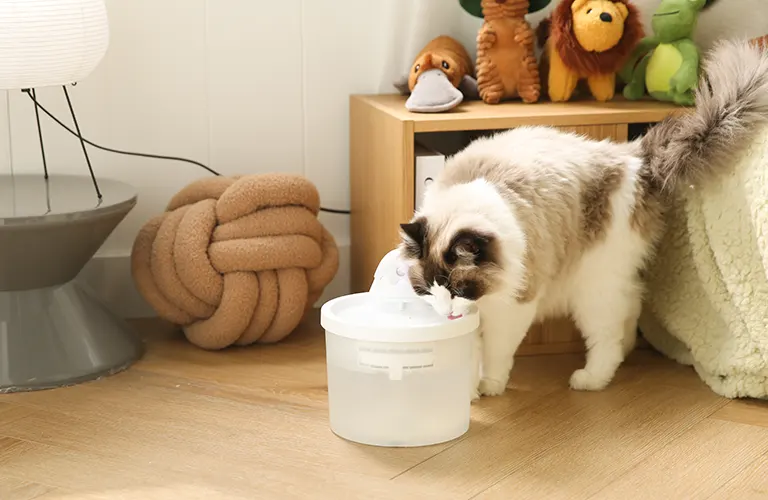
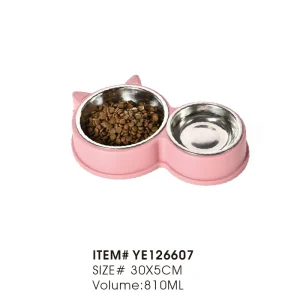
Provide plenty of clean drinking water, such as boiled, cooled water, mineral water, or purified water. Cats tend to prefer flowing water, so you might consider using an automatic water dispenser. Also, be mindful of the water temperature, as cats should not drink hot water.

Daily Care for Cats
In addition to health management and a balanced diet, daily care is essential to keep your cat in good condition.
Bathing and Cleaning
Cats do not require frequent bathing; typically, once every six months to a year is sufficient. If your cat is afraid of water or blow dryers, be gentle to avoid stress and anxiety. For ear care, regular cleaning is recommended, using ear-cleaning solutions to maintain hygiene.
Nail Care and Hairballs
Regularly trim your cat’s nails to prevent scratching of people or furniture. Cats groom themselves by licking their fur, which can lead to hairball accumulation. You can provide cat grass, paste, or hairball control treats to help your cat deal with hairballs. This will reduce the risk of hairballs causing digestive issues.

Essential Cat Supplies
Providing the right supplies for your cat is crucial to ensure their health and happiness. Here are some key items you should consider for a cat-friendly home.
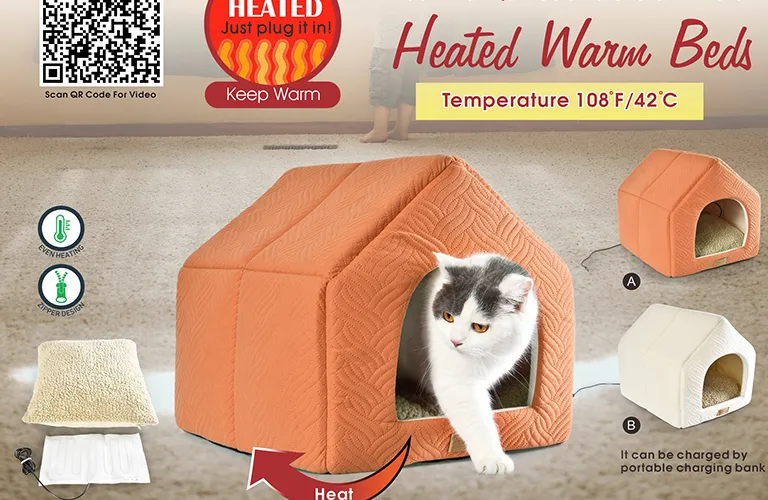
Cat Bed
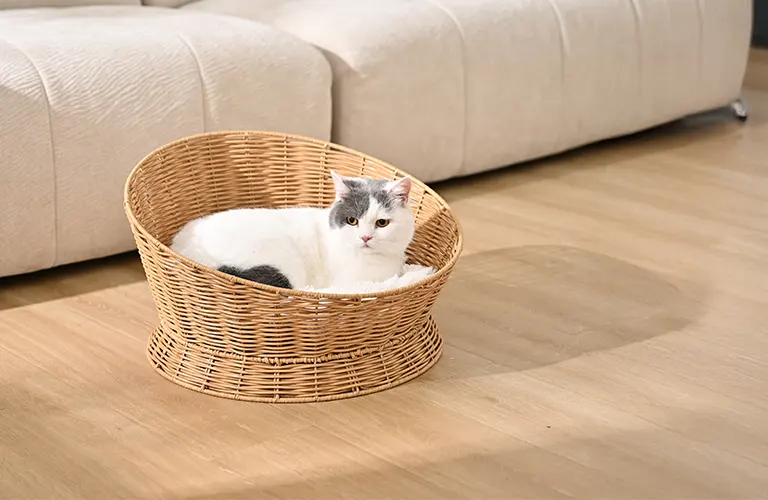
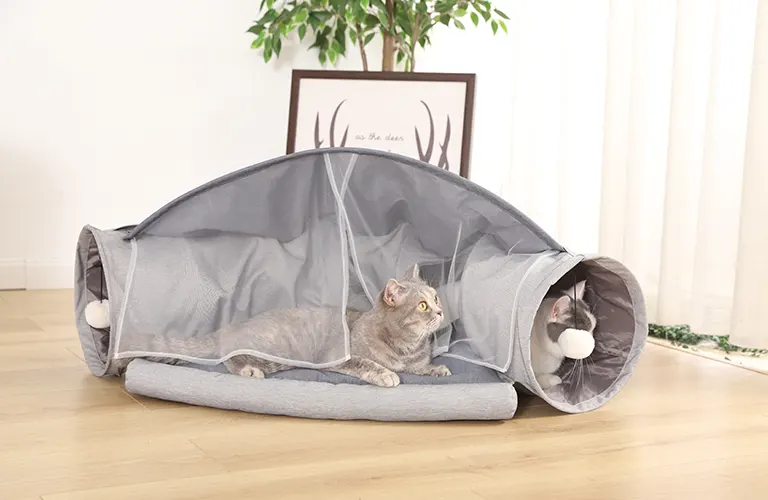
A cat bed is where your cat will rest and sleep. Choose soft, comfortable, and breathable materials like cotton or fleece. Ensure the bed is appropriately sized to allow your cat to stretch without being too spacious.
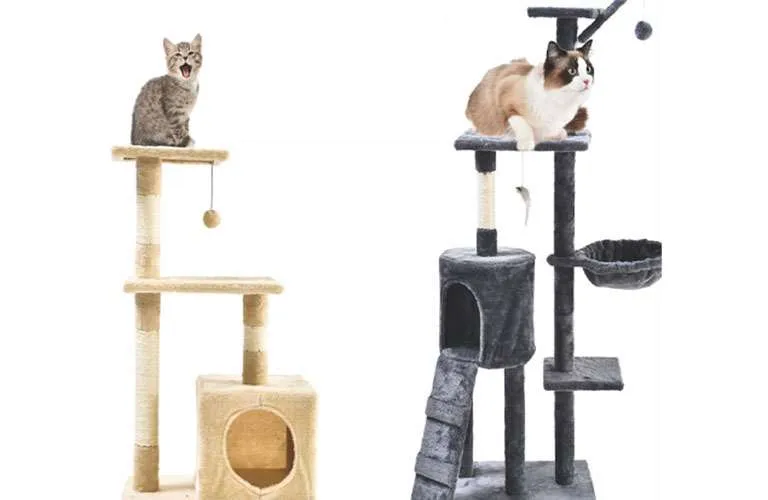
Cat Tree
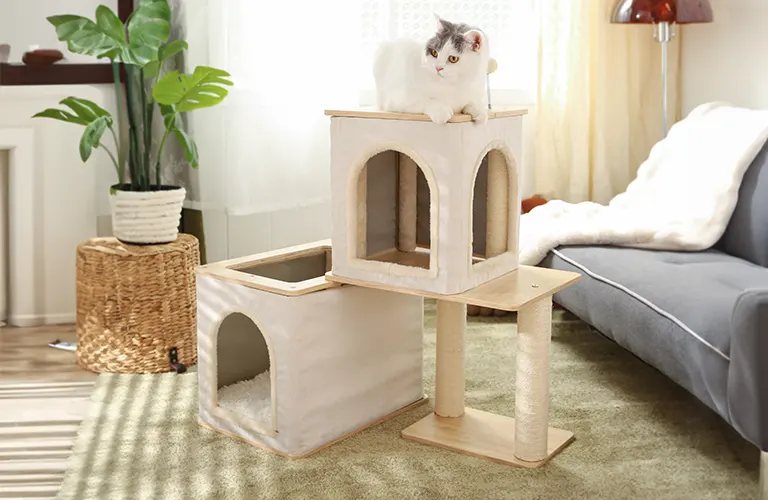
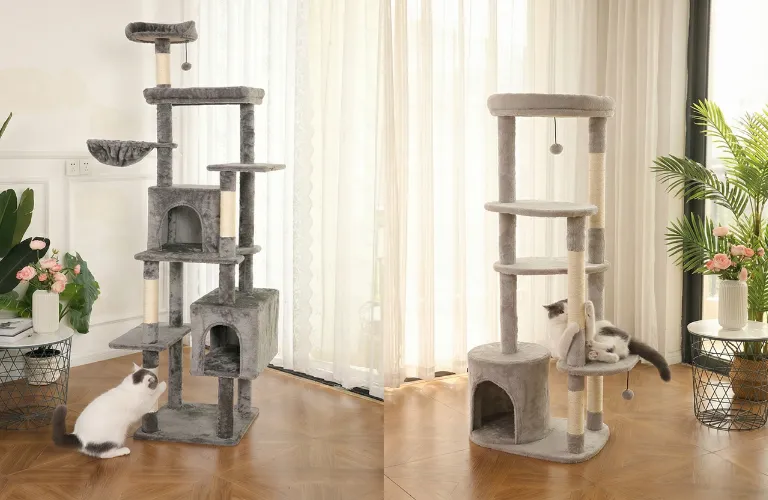
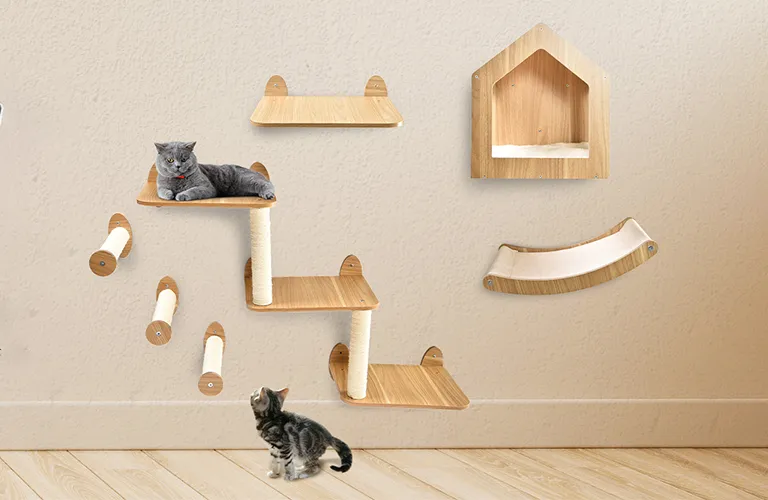
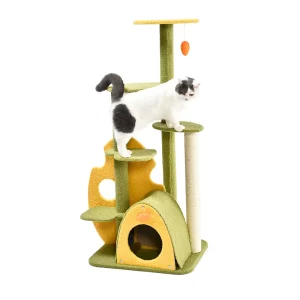
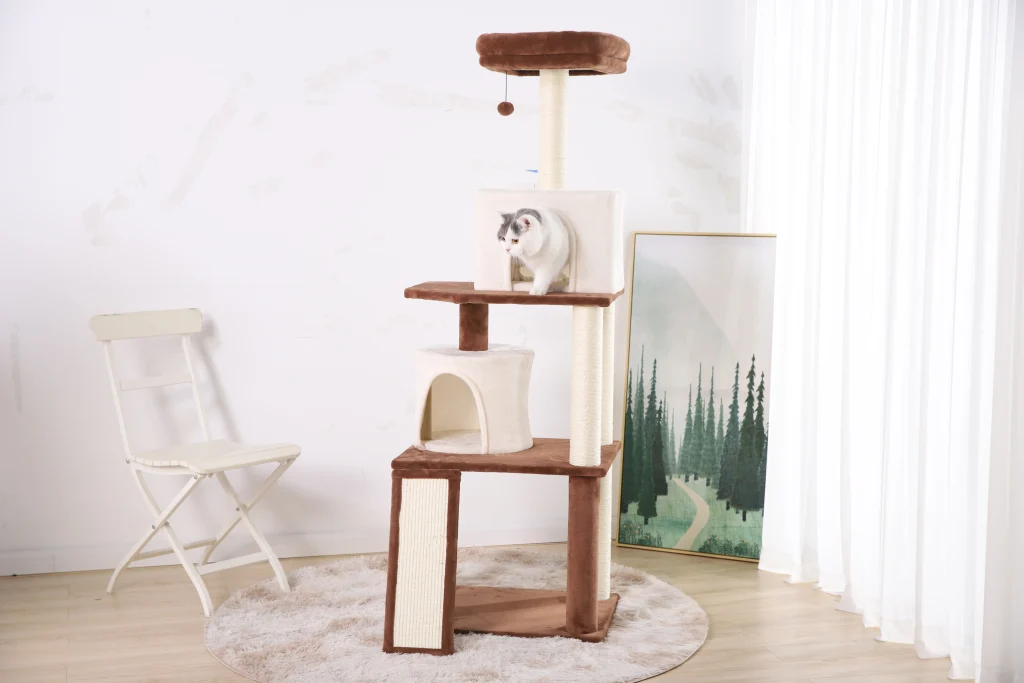
A cat tree provides climbing, jumping, and resting spaces. Choose a cat tree with a multi-level design and stable construction to meet your cat’s natural instincts. It can also include scratching posts, hammocks, and perches, offering a variety of activities for your cat.
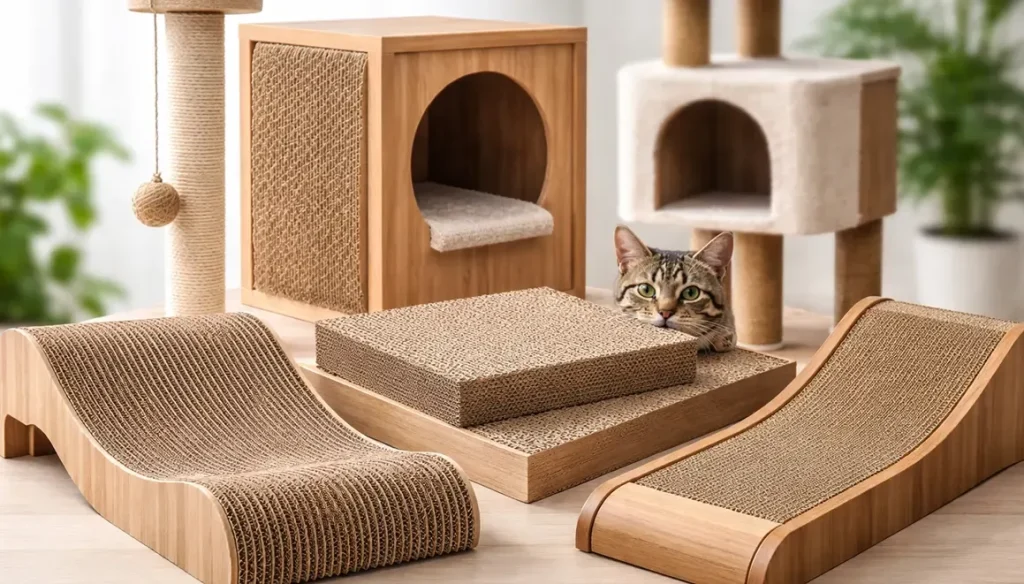
Scratching Boards and Toys
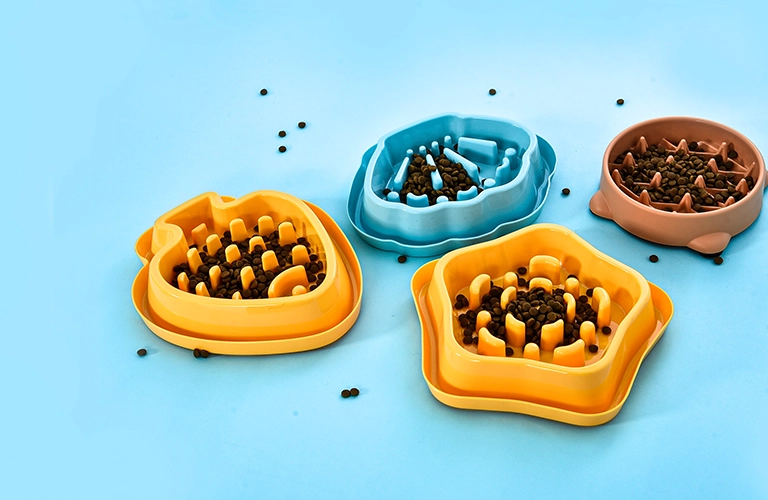
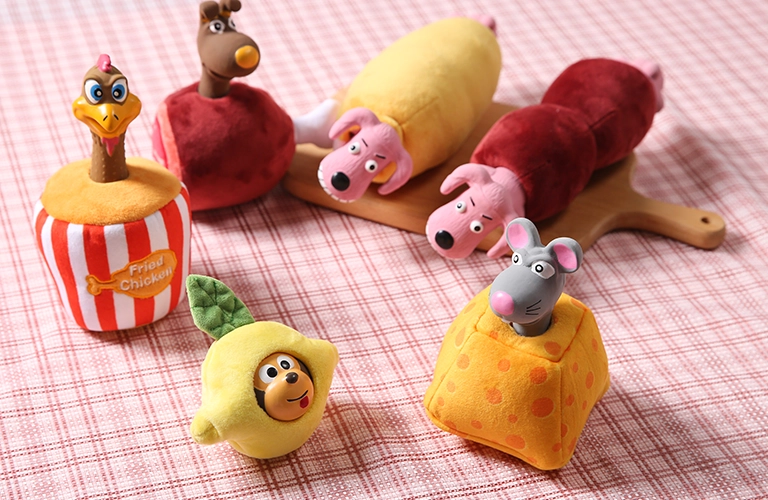
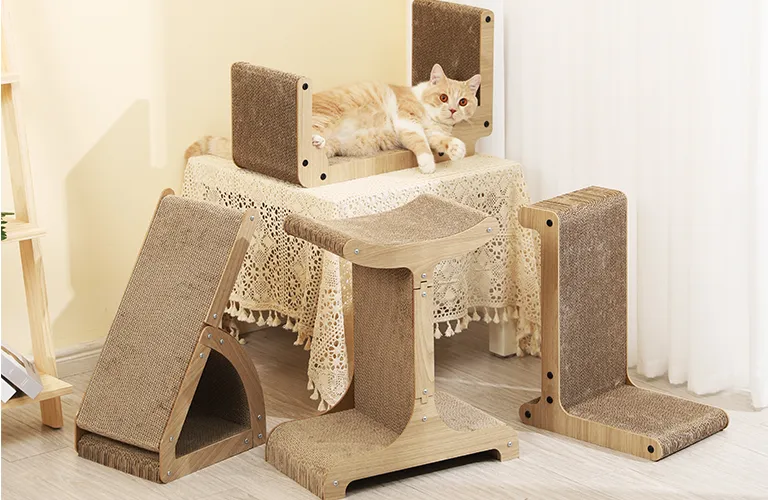
Scratching boards are essential for cats to maintain their claws and protect furniture from damage. They come in various forms, including upright, flat, or attached to a cat tree. Toys can stimulate your cat’s curiosity and keep them active. Popular toys include elastic wands, jingle balls, and feather teasers.
Litter Box
The litter box is where your cat will use the bathroom. When choosing a litter box, consider whether you want a covered or open design and the preferences of your cat. Covered litter boxes help contain odors, while open litter boxes are easier to clean. Choose the type that suits your cat’s habits and your home’s layout.

Cat Litter
Cat litter is used to fill the litter box and provides a convenient material for your cat’s bathroom needs. Common types of cat litter include clumping clay, tofu, and silica gel. Clumping clay is effective but heavy; tofu litter is eco-friendly and easy to clean; silica gel has strong absorbency but can be more expensive. Choose the one that matches your cat’s preference and your cleaning habits.
Cat Carriers and Crates
Cat carriers and crates are for taking your cat out of the house. A cat carrier is suitable for short trips, being lightweight and easy to carry, while a crate is sturdier and provides more protection for longer journeys. Look for carriers with good ventilation and sufficient space to ensure your cat’s comfort and safety during travel.

These essential cat supplies will help your cat adjust to their new home, providing comfort and happiness while meeting their daily needs. To further explore necessary cat supplies, please read [A Checklist of The Essential Cat Supplies Guide].
Conclusion
Taking care of a cat requires patience and compassion. By adhering to the basic principles of scientific feeding, spaying/neutering at the right age, regular deworming, complete vaccinations, timely check-ups, balanced nutrition, and ample companionship, you can ensure that your cat stays healthy and happy. Paying attention to your cat’s health, diet, daily care, and living environment helps provide them with a comfortable and safe home. This guide aims to offer fundamental advice to help beginners understand the direction of cat care. It’s always best to consult a veterinarian for detailed care methods and problem-solving to ensure scientific and effective care. We hope this guide helps you build a strong bond with your cat and create beautiful memories together. May every cat be treated with kindness!
Petstar is a global pet product manufacturer with over 20 years of experience in the industry. We have a worldwide supply chain and factories around the globe, offering comprehensive services that include R&D, design, manufacturing, customization, production, and wholesale distribution. Our main product categories include pet beds, cat trees, pet clothing, pet electronics, pet cages, pet toys, pet collars, leashes, harnesses, pet feeding supplies, and pet grooming and cleaning products, with over 30,000 items to meet your one-stop shopping needs.
If you require manufacturing and customization of pet products, please contact us, and we’ll arrange for a professional sales representative to create a customized purchasing plan for you. We welcome you to collaborate with Petstar!